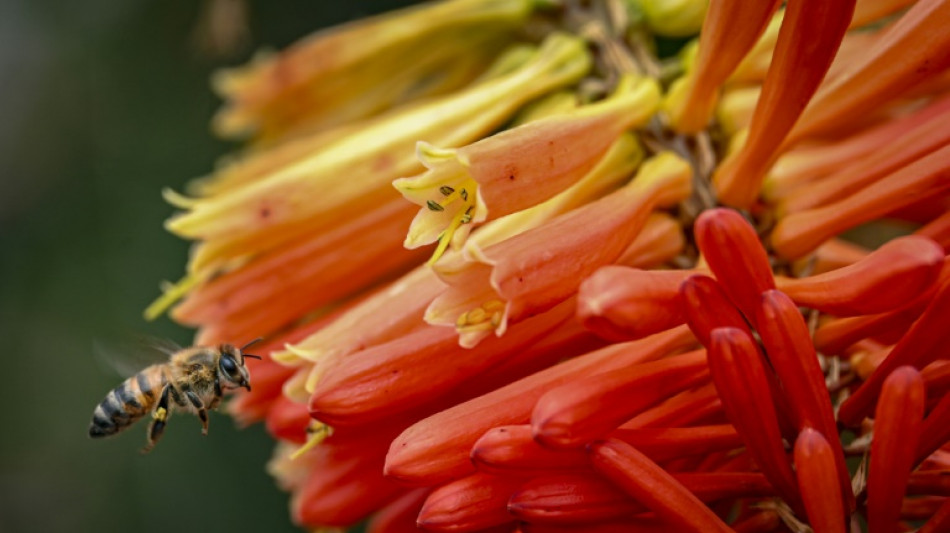
Pesticides causing widespread harm to animals and plants: study / Photo: MARTIN BERNETTI - AFP/File

 Brighton run rampant against 10-man Coventry

 Late Mbappe goal sends Lille top of Ligue 1

 Five-star Brighton crush 10-man Coventry

 Team Europe beat United States to reclaim Solheim Cup

 US House Speaker warns curbing AI too sharply could leave China ahead

 張國榮70歲誕辰音樂會西九舉行 唐鶴德錄音致意

 Iran's economic ties to Dubai hard to break despite war

 iPhone 18預購後出現可疑扣款 四間銀行調查未授權交易

 《浪花男女》辦特別謝票場 馮志強談票房與導演客串拍攝

 Former captain De Villiers hails 'fantastic' Springboks

 Galaxy Tab S12系列效果圖曝光 Ultra擬配雙鏡頭及瀏海螢幕

 اليورو يستقر في البنوك المصرية وأعلى سعر للبيع 59.85 جنيه

 حمزة قورقماز يناقش العلاقة بين وضوح المبادئ واحترام الاختلاف

 Altman tells Fortune OpenAI will not go public in 2026

 China, Russia, India seek economic cooperation at BRICS

 دول عربية ومنظمات تدين استهداف خط أنابيب في السعودية

 ستاندرد آند بورز تثبت تصنيف السعودية عند A+

 One dead, 102 rescued from stricken ferry off Indonesia's Java
 Garcia keeps WBC welterweight title by stopping Benn

 Lights out in Laos as electricity exports surge

 'This is the test': All eyes on US Fed to tackle high inflation

 Scars of Marawi siege linger as Philippines poll nears

 Trump turns to golf, family business on Irish visit's second day

 Defiant Sabalenka motivated by US Open defeat

 Houthis say hit Saudi base after renewed fighting with Yemeni govt forces

Pesticides are significantly harming wildlife across the planet, stunting growth, damaging reproduction and even causing behavioural changes in animals not meant to be targeted, according to a large-scale study published on Thursday.
Species loss has reached a level not seen since an asteroid smashed into earth and wiped out the dinosaurs 66 million years ago, with scientists warning that human activity is pushing the world into its sixth mass extinction event.
Researchers have already shown that pesticides are detrimental to a wide range of species -- adding to the damage to the natural world caused by habitat loss and, increasingly, climate change.
In a new study, published in the journal Nature Communications, scientists in China and Europe looked at 1,700 previous research papers to look into how these chemicals harm animals and plants across the world.
The authors said that unlike previous studies with a narrower focus on specific habitats or species like fish or bees, the new research looked to build a comprehensive picture of global impacts from 471 different pesticide types used in farms, businesses and homes.
"It is often assumed that pesticides are toxic primarily to the target pest and closely related organisms but this is clearly not true," said co-author Dave Goulson of the University of Sussex.
"Concerningly, we found pervasive negative impacts across plants, animals, fungi and microbes, threatening the integrity of ecosystems."
More than 800 species in land and in water were assessed to have suffered detrimental effects, including reducing how fast they grow, their reproductive success and even their ability to catch prey or attract mates.
Ultimately, the authors said this can lead to death.
- UN talks on protecting nature -
Co-author Dr Ben Woodcock, at the UK Centre for Ecology and Hydrology, said the chemicals were "a necessary evil, without which global food production and farmers' livelihoods would likely collapse".
But researchers in the latest study said that farmers can cut pesticide use by planting crops at different times, or sowing wildflowers to encourage pest-eating species.
The study comes ahead of United Nations negotiations on biodiversity in Rome later in February that aim to secure funding to protect species from deforestation, overexploitation, climate change and pollution.
In a landmark report in December, UN biodiversity experts warned that overconsumption and unsustainable farming are fuelling overlapping crises in nature and the climate, having already warned that a million species are threatened with extinction.
Antonis Myridakis of Brunel University in London -- who was not part of the research -- said the study reinforced concerns that pesticides are "contributing significantly to biodiversity loss".
He said the dataset used only covered a relatively small sample of species potentially affected.
"Therefore, there is the possibility that the true extent of pesticide harm is even greater than reported."
F.Qawasmeh--SF-PST