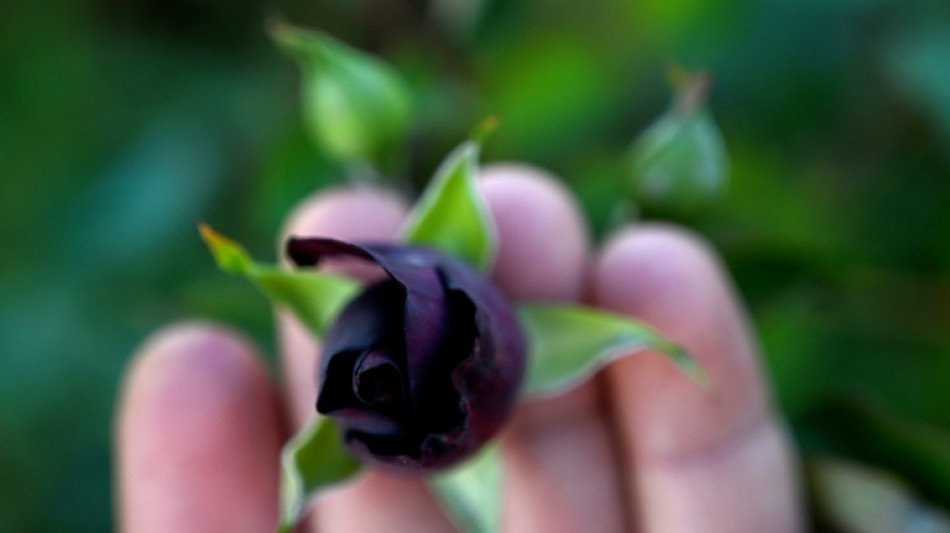
Turkey black rose producers chase sweet smell of success / Photo: Ozan KOSE - AFP

 Four soldiers dead, dozens injured in fire at Canada military base

 Ton-up Agha helps Pakistan down Sri Lanka in tri-series opener

 Man Utd draw at Leeds keeps pressure on Carrick

 Barca defenders Garcia, Kounde injured before key games

 Lula, Bolsonaro to face off in first debate of bruising election
 Maza and Schick help Leverkusen clip Freiburg's wings

 Leeds hit back to deny Man Utd morale-boosting win

 Zelensky tells NBC 'thankful' US has unblocked intelligence sharing
 Pau see off Leicester in Champions Cup

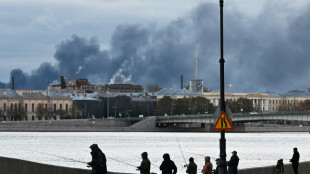
 Kremlin says Ukrainian attacks won't change war aims as Kyiv hits Saint Petersburg

 Martinez starts for Man Utd after outburst
 Alberta separatists rally ahead of independence vote

 Australia elect to bowl against South Africa in second Test
 France assesses protest damage after 1,800 arrests

 Gord launches four AI tools for sustainability and emissions management

 Doha 2036 bid sets out sport-led social legacy

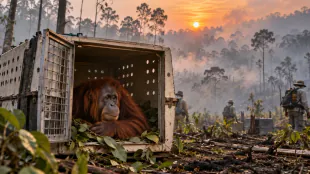 Conservation teams rescue orangutans from Indonesian wildfires

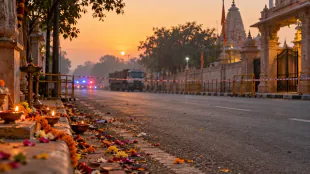 Truck ploughs into Hindu festival crowd in India, killing 13

 Kuwait announces maintenance closures in Nuzha, Surra and Rai

 Moody’s lifts OYO parent Prism outlook to positive before planned IPO

 Diesel shortage raises petroleum share of India’s exports to three-year high

 Premium products and financing drive Navratri appliance demand

 Andi King recounts late-life transition after decades behind an “alpha male” identity

 Sri Lanka choose to field against Pakistan in tri-series opener
 Emiliano Martinez expects Chelsea return within weeks after surgery
To the naked eye, the delicate velvet roses in southeastern Turkey appear black and overwhelm the senses with their irresistible sweet smell.
The rosebuds are just as dark, and when fully developed, the flower takes on the colour of an intensely rich red wine.
These black roses, known as "Karagul" in Turkish and thornier than others, can only grow in the town of Halfeti with soil that has distinctive features including a special PH level.
The unique colour cannot be preserved elsewhere, experts say.
Now Halfeti's residents want to transform the rose into a brand since Turkey's rose sector is a blooming business.
The industry is currently dominated by the western province of Isparta, known as Turkey's "rose garden".
Today, Turkey and Bulgaria make up around 80 percent of the world's rose oil production.
But Halfeti resident Devrim Tutus, 28, has already seen business flourish.
After coming up with a business plan to promote the black roses, he now supplies Istanbul with petals for colognes, Turkish delight and ice cream.
Demand is already outgrowing supply.
That doesn't stop Tutus who already has his next plan: Karagul wine.
"There's a huge market out there in Istanbul. It's all about Isparta roses. Why not the same here?" he said.
- Roses rescued -
The black rose's fortunes were not always so sweet.
It once aroused only indifference among residents, said a local official in charge of preserving the roses.
"They were everywhere in the gardens but nobody paid attention to them," said his friend who only gave his name as Bulent.
"Locals had no idea the roses were unique. We transported some to higher ground and started production in greenhouses," said the official, who did not wish to be named.
In upper Halfeti, one greenhouse operated by the town's agriculture department is home to 1,000 roses.
But the town's residents rallied to rescue the rose after a dam on the Euphrates River flooded the region in the early 2000s, threatening to bury the flower like dozens of archaeological sites from ancient Mesopotamia.
The construction of the Birecik dam in 2000 was part of a series of controversial development projects in southeast Turkey.
Today, 20 variants of black roses have been identified worldwide -- including sixteen in Turkey, said botanist Ali Ikinci.
"Karagul is not an endemic species in Halfeti," Ikinci, a professor at Harran University in Sanliurfa province, said.
"But the particular ecology, climate and soil cause it to bloom darker there. If you plant that rose somewhere else, it won't be as dark or black."
- A French connection? -
The professor insisted Halfeti's rose was "unique".
The colour of the rose darkens, becoming more black and the scent is stronger as one moves from Sanliurfa -- where Halfeti is -- towards Syria, which is 60 kilometres (38 miles) to the south, Ikinci said.
The Halfeti official explained the rose blossoms on higher ground because the soil close to the dam is more acidic because of the Euphrates' waters.
Ikinci believes the origins of Karagul could be the "Louis XIV" black rose, grown in France in 1859 and named after the French king.
But for Frederic Achille, deputy director of the Botanical Gardens of the Museum of Natural History in Paris, it's much ado about nothing.
"'Louis XIV' could really be transformed by the waters of the Euphrates... and bogus communication," he said with a smile.
- Green rose -
Halfeti is also home to the peculiar green rose that has the appearance of a weed, but it is real and not just photoshopped by avid Instagram users.
"It remains mysterious. Some locals had it in their gardens. But because it's odourless, it failed to attract attention," Ikinci said.
Achille was blunter about why: "It's quite ugly."
The green flower was "just a curiosity in rose gardens" after it was introduced in Europe in 1856 by British nurseries, he added.
But that won't stop Halfeti taking advantage of its real, hidden treasures.
By the shores of the dam, a few amateur gardeners promote the black rose to tourists alongside boat tours to see the caves, now underwater.
T.Samara--SF-PST