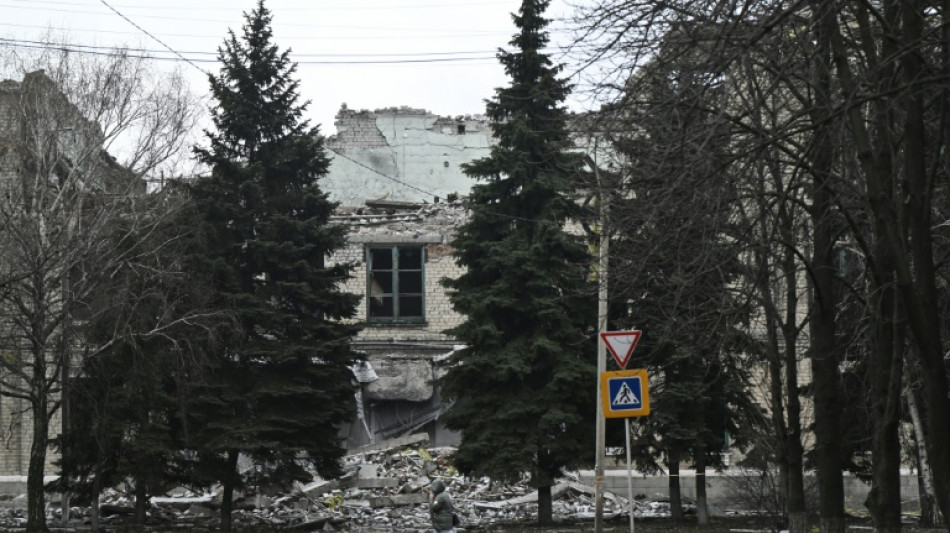
'The region will die': Ukraine's Donbas mines within Russia's grasp / Photo: Genya SAVILOV - AFP

 ترمب يعلن عن رغبة قوية لإنهاء حرب أوكرانيا قبل محادثات أبوظبي

 Honolulu Voters Reject Ranked Choice Voting in Election

 Panthers expected to begin 2027 NRL season away from new stadium

 Sweet As app launches restaurant discovery platform
 MLA seeks inquiry into reported sectarian gestures on Ormeau Road
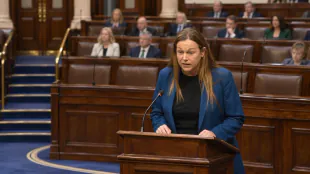 Louise O’Reilly attacks Simon Harris over unemployment remarks

 Virginia overwhelms Arkansas 91-72 behind balanced scoring

 Second major storm brings destructive winds and outages to British Columbia
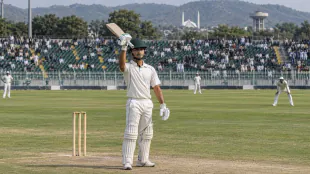
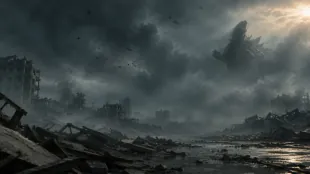 Godzilla Minus Zero leads North American box office with $31.6m

 Advocate calls for coordinated support for children facing trafficking
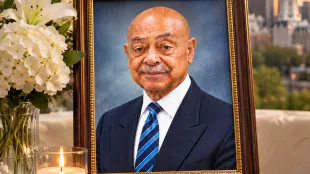
 Pennsylvania Democrats secure state trifecta in midterm elections

 Godzilla Minus Zero sets foreign-language box-office opening record

 Villeneuve teases James Bond casting at Los Angeles museum gala
 Nottinghamshire launches specialist rural crime policing team

 China confirms talks over possible Xi-Putin-Trump summit

 The Sourdough Sidekick Review: Can an Automated Feeder Save Your Starter?

 Energy bill plan could use HMRC income data to target support

 Business owner earning £6,000 a month tackles £70,000 debt
 Nvidia chief faces inquiry after disclosing affair with suspected Chinese agent

 Comet returns as online electrical marketplace 14 years after collapse
 Hunter Davies on How Post-War Britain Forged The Beatles
Fighting desperately to cling on to coal mines that were once the lifeblood of its industrial east, Ukraine's soldiers conceded they were struggling against intensifying Russian attacks.
"There's only so much we can do. No matter what super warriors are fighting in our ranks, the Russians outnumber us. It hurts," said the chief sergeant of Ukraine's 59th brigade, deployed in the Donetsk region, who goes by the call sign "San Sanych".
Russia's army is around six kilometres (four miles) from the centre of Pokrovsk, a formerly thriving mining hub on top of Ukraine's largest coal reserves.
The capture of the city and surrounding mines -- some of which are even closer to Russian positions -- would be a painful blow to Ukraine's army, local communities and the national economy, compounding months of setbacks on the front.
Earlier this month, the area's main mine operator, Pokrovsk Coal, which employed 10,000 before the war, suspended operations.
It was Ukraine's last producer of coking coal, a key component in the production of steel.
Now some of its shuttered facilities in the village of Udachne are being used by San Sanych's brigade.
Hills of rock dump offer soldiers a vantage point over the surrounding terrain, while the caverns, shafts and basements provide underground safety.
But he was unsure how long they would have enough men or ammunition to hold on.
- 'Grew up in these mines' -
Life has long revolved around mining in Ukraine's eastern Donbas, the industrial heartland of the Soviet Union that Russia claimed in 2022 to have annexed from Kyiv.
With the closure of the Pokrovsk mines, many workers relocated, but others were left in limbo in mostly deserted villages just a few kilometres from the front lines.
Galyna Rodionova, a control panel operator in Udachne, had seen the shut-down coming as her drive to work became increasingly dangerous.
"We would see flashes here, flashes there, booms here and there," the 39-year-old said.
"We kept working hard but we looked at each other, said, 'this is probably our last day here' and laughed."
Management sent most workers home, including Rodionova, after the mine was damaged in December.
She started working at a friend's pet store in a nearby village -- but life away from the mine felt alien.
"We grew up in these mines, we worked there, spent half of our lives in these mines. Everyone here is like that, in every city," she said, recounting gatherings to celebrate holidays and Miner's Day on 31 August.
As a little girl, Rodionova had been brought to the mines by her mother, who had no one to watch her while she worked.
Rodionova was proud of her work, a difficult job she had held for the past 12 years.
"It was hard work, but I liked working. I don't know if there was ever a day when I didn't work. I can't live without work," she said.
"You knew that you had a home, that you were earning money and could afford stuff. Now you don't know... We live day by day in these scary times," she said.
"Everything was shattered."
- 'Rip my soul apart' -
Some 10,000 people still live in Pokrovsk and the surrounding villages, local officials said -- down from 82,000 before the war.
Yury, a mine worker employed by one of the few sites that remain open, is one of them.
"If they close the mine, the region will die," he said, taking a puff from his cigarette before getting on the shuttle bus for a night shift.
"It's unrealistic to find a job other than mining in this city," 45-year-old underground electrician Maksym said.
Stepping out of the bus bringing him back from work at dusk, Maksym said he felt relatively safe in the deep underground tunnels that offered protection from strikes.
The main risk, he explained, was from hits to the transformers powering the mines.
"No power means no ventilation, which means there's not enough air," he said.
When that happens, the miners rush to climb hundreds of metres up ladders in a race to the surface for oxygen.
Maksym, who like many comes from a mining family, said he would only leave if the mine closed.
"I understand that there's a war and that I need to run away. But the feeling that you were born here, that you have your own house and memories, that's a feeling that is hard to leave, no matter how bad things are" he said.
Moving would also mean not being able to visit the grave of his mother, who died seven years ago.
"That'll just rip my soul apart," he said.
U.Shaheen--SF-PST