
Lukashenko: Belarus's unpredictable autocrat and Putin sidekick / Photo: Gavriil Grigorov - POOL/AFP

 5 Wardrobe Design Trends Making Sydney Bedrooms Work Harder in 2026

 Judy Schavrien’s New Book ‘There’ll Be No Dying Here’ Collects Decades of Intimate Portraits
 مليبانד: الوضع الإنساني في غزة مفجع والحكومة البريطانية لن تقف مكتوفة الأيدي
 First-time boat buyers advised to assess full ownership costs

 Planning and preparation can reduce stress of interstate relocation

 Two more arrested in Carrie Mullane suspected murder investigation
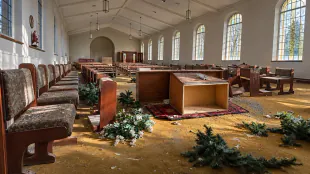 Mayo school appeals for information after convent and chapel vandalism
 GLP-1 Users Show Higher Rates of Nail Detachment in New Studies
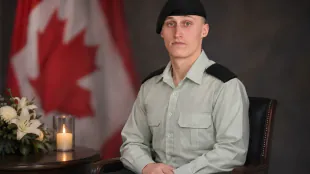 Canadian soldier Aidan Goulding remembered at Vancouver funeral
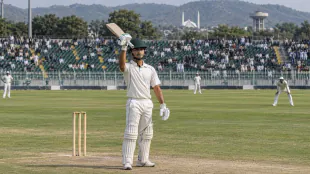 Tayyab Arif hits 57 on Pakistan Test debut against Sri Lanka
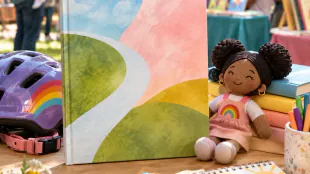 Robert Trujillo discusses literacy and social justice children’s books

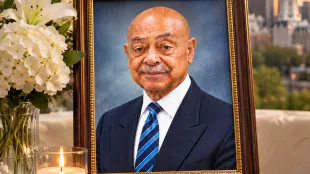 Civil rights advocate William Bill Tucker dies aged 98
 US Treasury order targets bank transfers linked to crypto exchange MEXC
 Eagles record six sacks as rushing attack struggles against Giants
 Thames Water seeks to delay £12bn in debt repayments
 Newark boxing gym expands alternative education programme
 Democrats consider impeachment drive against Defence Secretary Hegseth

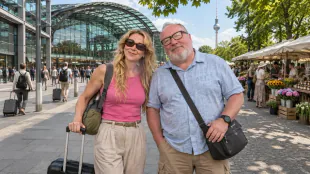 Rail journey offers a slower route to a Berlin city break

 Arsenal control title race as Manchester United fall into bottom three
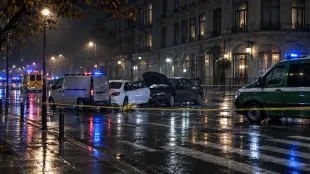 Suspected Krakow gunman dies after attack that killed six
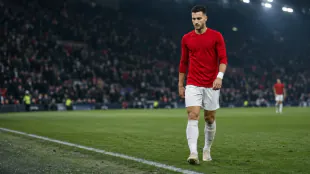 Carrick backs Dalot after hostile reception from Manchester United fans
Unpredictable, authoritarian and staunchly pro-Russian, Belarusian leader Alexander Lukashenko casts himself as a plain-spoken strongman and "president of the ordinary people".
Described in the West as "Europe's last dictator", the 70-year-old has led the eastern European country for almost all of its post-Soviet history, jailing hundreds of opponents throughout his more than 30-year rule.
He is running for an unprecedented seventh term this month, after violently crushing mass protests against vote-rigging that erupted after a 2020 ballot.
A close ally of Russian President Vladimir Putin, Lukashenko seems unbothered by his characterisation as a ruthless autocrat, telling lawmakers in an annual address in 2022: "I am a dictator, it's hard for me to understand democracy."
- From farmer to leader -
Born in 1954 in the then-Belarusian Soviet Socialist Republic, Lukashenko held management positions at various state-run collective farms before being elected to the country's Supreme Soviet in 1990.
He won Belarus's first democratic presidential election as an independent in 1994, campaigning as an anti-corruption crusader who backed closer ties with Moscow.
The following year he strong-armed lawmakers into holding a referendum on making Russian an official language, changing the flag to resemble its Soviet-era design and giving him the right to dissolve parliament.
Lukashenko has further cemented his rule with consecutive elections that observers and rights groups have said were rigged.
Before and after the latest presidential ballot on 9 August 2020, hundreds of thousands took to the streets to protest political repression and allegations of electoral fraud.
His security services responded by arresting tens of thousands in sweeping crackdowns that saw hundreds beaten and tortured in custody, according to rights groups.
At the height of the unrest, Lukashenko flew over a rally in a helicopter wearing a bullet-proof vest and carrying a Kalashnikov rifle, describing the demonstrators as "rats".
Opposition leader Svetlana Tikhanovskaya, who ran against Lukashenko in place of her jailed husband, was among the at least 100,000 to flee the country amid the crackdown.
Lukashenko said before the vote that Belarus could never be led by a woman because she "would collapse, poor thing."
Many activists who remained -- like activist Maria Kolesnikova -- were jailed incommunicado.
There are at least 1,200 political prisoners including politicians and journalists in Belarusian jails, according to human rights monitor Viasna.
- Strong support of Russia -
Though steadfast in his support for Russia and Putin, the Belarusian leader spent years trying to pitch himself as a bridge between Europe and Moscow.
But with ties with the EU already shattered by his 2020 crackdown, Lukashenko allowed Putin to use his country as a springboard to invade Ukraine in February 2022.
In an interview with AFP in the early days of the offensive, he blamed the West -- not Moscow -- for the outbreak of the conflict.
"You have fomented the war and are continuing it. If Russia had not got ahead of you, members of NATO, you would have organised and struck a blow against it," he said.
In 2023, Lukashenko brokered a deal with then mercenary chief Yevgeny Prigozhin to end his brief uprising against Russia's military leadership, saving Putin some embarrassment.
That same year Putin placed tactical nuclear weapons in Belarus, with Lukashenko's approval.
The Belarusian leader has promised to use them "without hesitation" if Minsk is attacked.
- Not going anywhere -
At home, Lukashenko often espouses wacky policy proposals that have drawn both scorn and ridicule from Belarusians.
During the pandemic, he dismissed the coronavirus as a hoax and recommended drinking vodka and taking steam baths.
In October 2022, he decreed a ban on all price increases to tame what he called "exorbitant" inflation.
When the European Union threatened to sanction Minsk for brazenly intercepting a Ryanair plane to arrest a dissident, the Belarusian leader suggested he would flood the bloc with "drugs and migrants."
Later that year, thousands of people from Asian and African countries illegally crossed from Belarus into neighbouring Poland, Latvia and Lithuania.
Some analysts have suggested he is grooming his son Nikolai, who has accompanied his father to many official ceremonies, as a successor.
Lukashenko has repeatedly said he will leave power "when necessary" -- but there are no signs he is ready to step down soon.
"I am not going to die, guys," he told officials in May 2023, after missing several high-profile public events. "You're going to have to put up with me for a very long time."
X.AbuJaber--SF-PST