
El Salvador plans to sell or shut its crypto wallet / Photo: Marvin RECINOS - AFP/File

 دراسة دنماركية: القهوة تحسن صحة الجهاز الهضمي وتنوع البكتيريا

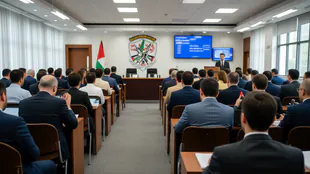 فتح تؤكد التزامها بإرث عرفات في الذكرى الـ22 لاستشهاده

 Pismo Beach Mayoral Candidate Faces Allegations of Harassment Against Transgender Teen

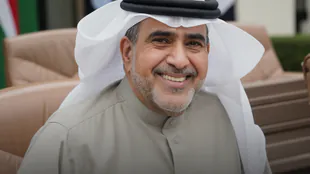 Bahrain MPs Approve Five-Year Wait for Repeat Hajj Pilgrims

 David Walliams Identified as Celebrity in Sexual Misconduct Allegations After Legal Bid

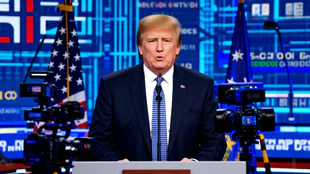 Texas Gov.-elect Hinojosa Plans Rate Freeze Amid Legal Concerns

 Elijah Moore Scores Career-High 29 as McNeese Sets School Records in 135-87 Win

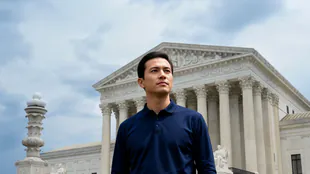 ترمب يعلن عن رغبة قوية لإنهاء حرب أوكرانيا قبل محادثات أبوظبي
El Salvador will privatize or close the cryptocurrency wallet "Chivo" created by President Nayib Bukele when he made bitcoin legal tender in 2021, an official said Thursday.
The announcement came after the Central American nation's government reached a $1.4 billion loan deal with the International Monetary Fund that addressed its controversial embrace of bitcoin.
While bitcoin remains legal tender in El Salvador, Chivo "will be sold or wound down," Stacy Herbert, director of Bukele's National Bitcoin Office, wrote on social media platform X.
She did not say how many people used the digital wallet, which was created by the government in September 2021 for Salvadorans to make payments in bitcoin.
"El Salvador will continue buying bitcoin (at possibly an accelerated pace) for its Strategic Bitcoin Reserve," Herbert added.
The IMF said Wednesday that under the loan agreement, acceptance of bitcoin by the Salvadoran private sector would be voluntary, adding that bitcoin-related risks "are being mitigated."
"For the public sector, engagement in bitcoin-related economic activities and transactions in and purchases of bitcoin will be confined," it added.
In 2021, El Salvador became the world's first country to establish bitcoin as legal tender in a bid by Bukele to revitalize a dollarized, remittance-reliant economy.
On December 1, the gang-busting leader acknowledged in a speech that the introduction of bitcoin had been "the most unpopular measure that this government has taken."
Around 88 percent of Salvadorans did not use bitcoin in 2023, according to a survey by the Central American University.
According to the National Bitcoin Office, El Salvador owns 5,969 bitcoins worth around $582 million.
O.Farraj--SF-PST