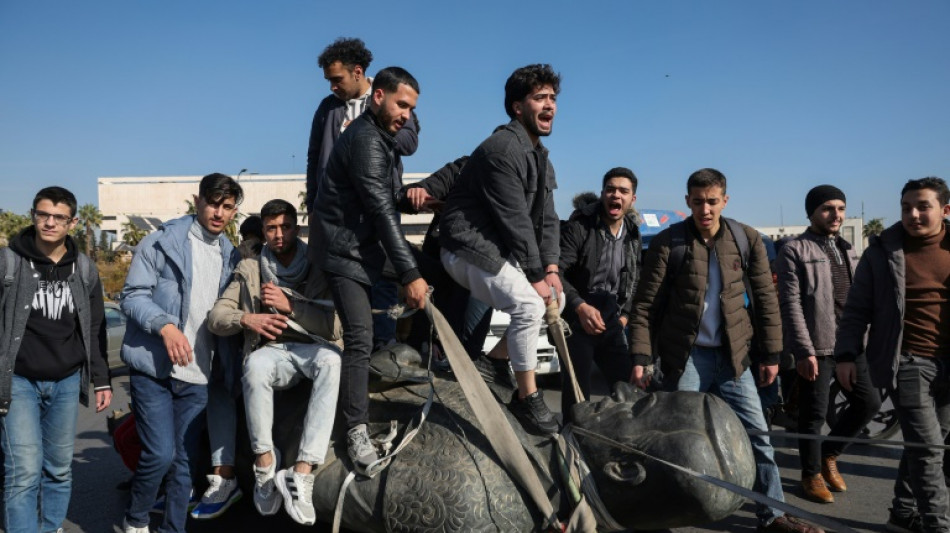
Nations step up outreach to Syria's post-Assad rulers / Photo: Omar HAJ KADOUR - AFP

 Russians vote as Ukraine war drags on for fifth year

 Backpackers fret over Australian visa crackdown
 Most Asian stocks track Wall St rally, yen drops after BoJ rate hike
 Russians begin voting in controlled election as war drags on
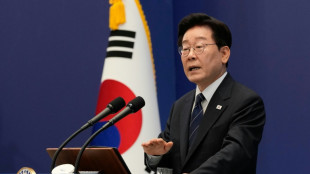 Trump 'clearly' wants dialogue with Pyongyang: South Korean President

 Bank of Japan hikes rates to 31-year high to battle inflation
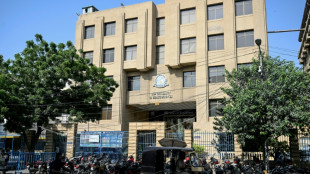
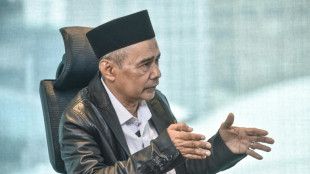 Thailand's Muslim separatists vow to fight to the end

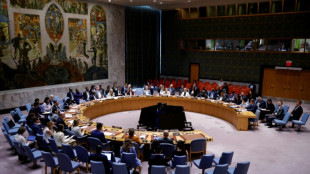 Mideast turmoil, AI set to dominate UN gathering of world leaders
 Australia to detain tourists who overstay visa, minister says

 Championship rivals brace for renewal of bitter feuds

 In Brazil's Amazon, the hunt for oil fuels hopes and fears
 Australian athlete who soiled herself apologises for continuing Hyrox race

 Baby orangutans in India expose 'frightening' scale of trafficking
 Doom Loop? Ed Sheeran struggles against Gaza tide
 Sudanese women hold fast to threatened henna body art
 Man Utd misery puts Carrick under pressure, Spurs feeling the heat
 Prized Mexican relic returns on loan, two centuries on

 Venezuela unblocks some censored news sites
 Samba stars on debut in Man City rout of Norwich
 Oversight Board blasts 'inadequate' Meta safeguards for AI deepfakes

 The Easter Island origins of buzzy Malkovich drama 'Wild Horse Nine'

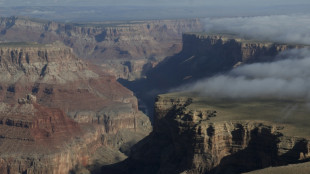 Third body recovered after Grand Canyon flash flood
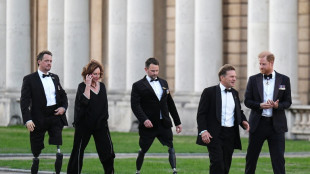 Harry makes first public appearance since return to UK

 Abhishek hits record T20 ton as India sweep series 3-0

 Abhishek hits record T20 ton as India sweep T20 series 3-0

Governments worldwide are stepping up efforts to engage with Syria's new interim rulers, just over a week after Islamist-led rebels ousted president Bashar al-Assad, ending decades of brutal rule and civil war.
The lightning offensive that captured the capital Damascus on December 8 led to celebrations across the country and beyond.
At Damascus university on Sunday, Yasmin Shehab told AFP that she and fellow students felt "optimistic".
"We feel liberated, and the chains have been broken," she said. "Fear has been shattered."
But the surprise ouster caught many governments by surprise, and has left them scrambling for a new policy.
Hayat Tahrir al-Sham (HTS), the Islamist group that led the offensive, is rooted in Al-Qaeda's Syrian branch, and is still designated a terrorist group by several Western governments.
Diplomats, including UN envoy Geir Pedersen who was in Syria on Sunday, have urged an inclusive new administration focused on nation-building and justice.
Pedersen met with HTS chief Ahmed al-Sharaa -- previously known as Abu Mohammed al-Jolani -- and called for "justice and accountability for crimes".
"We need to make sure that that goes through a credible justice system, and that we don't see any revenge," he said.
A Qatari delegation also landed in Syria on Sunday to meet transitional government officials and pledge "full commitment to supporting the Syrian people."
Qatar's embassy is set to resume operations Tuesday, 13 years after it closed in the early stages of an anti-government uprising that sparked years of civil war.
Unlike other Arab countries, Qatar never restored ties with Assad's Syria.
- Aid and diplomacy -
It comes after Turkey, a key backer of some of the rebel groups that ousted Assad, reopened its embassy in Damascus on Saturday.
Both Britain and the United States also confirmed they were in touch with HTS despite officially considering the organisation a terrorist group.
"We can have diplomatic contact and so we do have diplomatic contact," British Foreign Minister David Lammy said as he announced an aid package for Syrians.
A French diplomatic team is also due in Damascus on Tuesday to "retake possession of our real estate" and make "initial contact" with the new authorities, said acting Foreign Minister Jean-Noel Barrot.
They will also be "evaluating the urgent needs of the population", he added.
Ukrainian President Volodymyr Zelensky meanwhile said his country was coordinating on providing aid including wheat, flour and oil to Syria.
- Torture, death threats -
Rebels entered Damascus after an 11-day offensive that came over a decade into the civil war sparked by Assad's violent crackdown on anti-government protests which erupted in 2011.
Assad's departure has seens notorious jails thrown open and prisoners recount the abuses they suffered.
"Towards the end I just wanted to die, waiting for when they would execute us," Ghazi Mohammed al-Mohammed told AFP of his five months in detention.
He was never told why he was arrested, but said he faced torture and death threats in detention.
- 'Massive destruction' -
A cautious sense of calm is returning to many cities, with children in Damascus streaming back to school on Sunday -- the first day of the week in Syria -- for the first time since Assad fled.
Damascus's interim governor acknowledged that major obstacles lay ahead.
"The challenges we are facing right now are the massive destruction of the institutional structure in terms of human resources, local economy, and the social structure," said Maher Marwan.
"This is a reality that requires great effort and awareness, in addition to solidarity by everyone at this phase."
UN envoy Pedersen called for "increased, immediate" aid during his Damascus visit.
Turkey was ready to provide military support to the new Islamist-led government, Defence Minister Yasar Guler said Sunday, Turkish media reported.
The new leadership should be given "a chance", he added.
HTS has sought to moderate its rhetoric in recent years, but its seizure of power has sparked some concern over the protection of religious and ethnic minorities.
Syrian Christians attending their first Sunday church service since Assad's fall said they were largely reassured so far.
"Thank God, our situation is good," said Ibtissam al-Khouli at a Damascus church.
"Everyone feels comfortable, there's no fear," she told AFP.
The interim government insists they will protect the rights of all Syrians, and the rule of law.
- Russian evacuation -
Assad was propped up by key allies including Lebanon's Hezbollah militant group, Iran, and Russia, whose foreign ministry said Sunday it had evacuated some diplomatic staff from Syria.
They left "by a special flight of the Russian Air Force from the Hmeimim airbase," the ministry said.
The rebel advance began on November 27, as a ceasefire took effect in the Israel-Hezbollah war in Lebanon, which battered the militant group.
Both Israel and Turkey have carried out military strikes inside Syria since Assad's fall.
Israeli Prime Minister Benjamin Netanyahu has insisted his country has "no interest in confronting Syria", despite carrying out hundreds of strikes over the past week.
"Israel's policy toward Syria will be determined by the evolving reality on the ground," he said in a video statement.
Those strikes continued early Monday, with the Syrian Observatory for Human Rights war monitor reporting raids on military sites in the country's coastal Tartus region.
The UK-based monitor, which relies on a network of sources inside Syria, said the raids were "the heaviest strikes" in the area in more than a decade.
And Israel's government on Sunday approved a plan to double the population in the Israeli-annexed Golan Heights.
burs-sah/rsc
R.Shaban--SF-PST