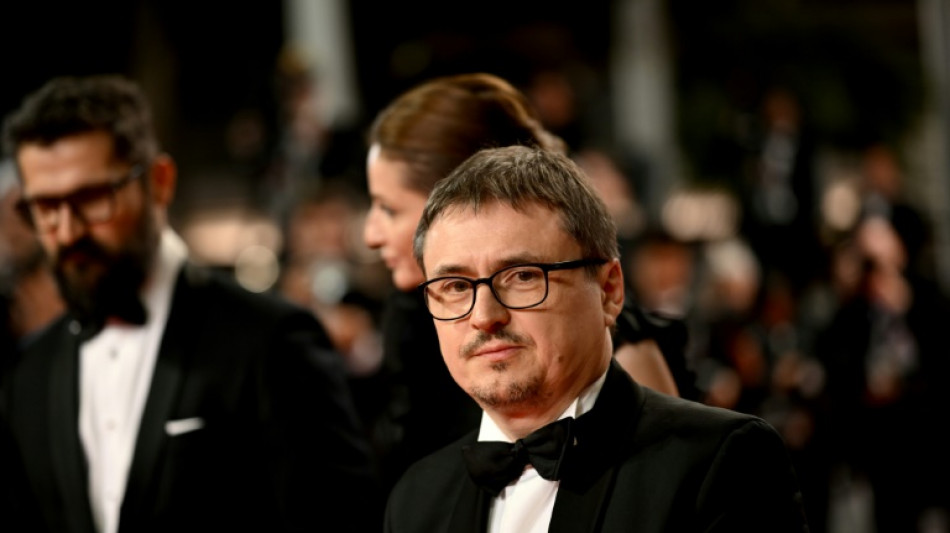
Cannes favourite returns to show horror of 'human animals' / Photo: LOIC VENANCE - AFP

 Kings' Ben Simmons tears Achilles in training
 Lula, Bolsonaro set for first debate showdown in bitter election race

 Mbappe hits two as Real Madrid rout Sevilla
 Browns edge Ravens for division lead, Texans beat Jags

 Lyon go top of Ligue 1 as Monaco fall to first defeat of the season
 Venezuela opposition alliance reaffirms Nobel laureate Machado as leader
 'Street Fighter' wins N. America box office, buzzy doc stuns in 2nd

 NFL: Paris game to go ahead despite protests in France

 Arteta hails Arsenal 'finishers' after Madueke fells Forest

 Trump backs ally Netanyahu ahead of Israel's tight election

 Madueke strikes late as below-par Arsenal sink Forest
 Second day of street clashes in Milan

 Dupont's Toulouse hold off Exeter as English Champions Cup woes continue

 Zelensky speaks to US envoys amid Trump spat

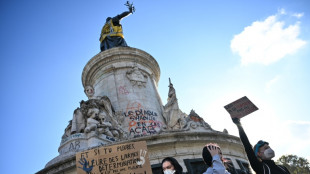 Paris police in new battles with protesters and looters
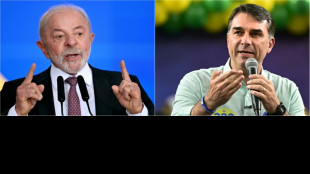
 Multiple deaths, injuries at western Canada military base: minister

 Boland strikes twice for Australia in rain-hit South Africa Test

 Marseille put Angers to the sword in Ligue 1

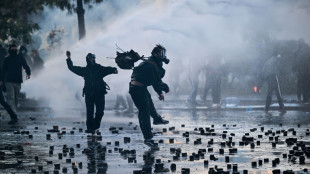 Albanian PM refuses to quit as violent protests enter sixth day

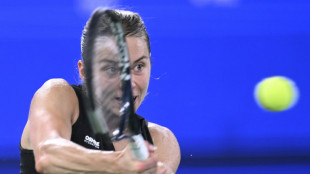 Chwalinska fights back to win Wuhan Open in title breakthrough
 Kulusevski on brink of return for Spurs after 17-month absence

 Ukraine sets Saint Petersburg refinery ablaze in large-scale drone attack

 Spain's in-form Chacarra wins DP World India Championship

 Robertson and Selby chase rare Home Nations sweep in Belfast

 Arteta backs Kai Havertz to become a 30-goal Arsenal forward

One of eastern Europe's most acclaimed film-makers, Romania's Cristian Mungiu, is back at the Cannes Film Festival with a dark tale about how little it takes for people to turn on their neighbours.
His wrenching Ceausescu-era drama about illegal abortion "4 Months, 3 Weeks and 2 Days" clinched the top prize at the world's top cinema showcase in 2007.
Mungiu also won best screenplay for 2012's "Beyond the Hills" and best director for "Graduation" in 2016.
His new film, "RMN", again sees him in the race for the Palme d'Or, and the 54-year-old told AFP it explores the collapse of hopes for a new era of peace following the end of the Cold War.
"I try to speak about human nature and about the state of the world today and about this feeling that we have today that things are not going in the right direction," he said.
"Things are coming to some sort of an end and everybody feels this anxiety," not least over the war raging in Ukraine, he said.
- 'Capable of anything' -
RMN is the Romanian abbreviation for an MRI which Mungiu said when scanning the brain can reveal fascinating secrets of how human beings are wired.
The film explores the anxieties of a multi-ethnic community in Transylvania, a historical crossroads of migration and competing empires which has left Romanian, Hungarian and German speakers living side-by-side to this day.
It is inspired by a story widely covered by Romanian media in 2020, when a village in Transylvania rose up against the local bakery for hiring two Sri Lankans.
In the film the foreign men are recruited to a bread factory reliant on EU grants and offering minimum-wage jobs that long went unfilled because the salary was too low for locals.
A manager tries to look after the dislocated Sri Lankans, who don't speak any of the local languages and are struggling to integrate.
A violent attack leads to confrontations with the police, the village priest and finally a town meeting in which hysterical fears about the outsiders are aired.
Mungiu said he aimed to hold up a mirror to the "instincts and cruelty which is deep inside us as human animals and to see that people who are neighbours today are capable of anything tomorrow -- raping, killing and torturing somebody else simply because somebody told me this is the enemy".
- 'A movement' -
The film won warm reviews, with The Guardian saying it was "seriously engaged with the dysfunction and unhappiness in Europe that goes unreported and unacknowledged".
US movie website IndieWire called it another "moral thriller" from Mungiu that pulls "harder and harder at the tension between complex socioeconomic forces and the simple human emotions they inspire".
Mungiu is part of Romania's New Wave of film-makers tracking the realities of the post-communist transition who have scooped up prizes at international festivals for the past two decades.
He admitted at Cannes that those acclaimed movies have been far less popular at home.
"(Romanians) don't really like what we do -- they don't really understand why somebody likes it somewhere else," he said.
"But for us it's really important that we managed to create some sort of a movement which is now complex enough -- there are quite diverse film-makers expressing themselves.
"At some point I think it will be acknowledged as something good that we did also for the culture of Romania."
The Palme d'Or will be awarded on May 28.
D.Qudsi--SF-PST