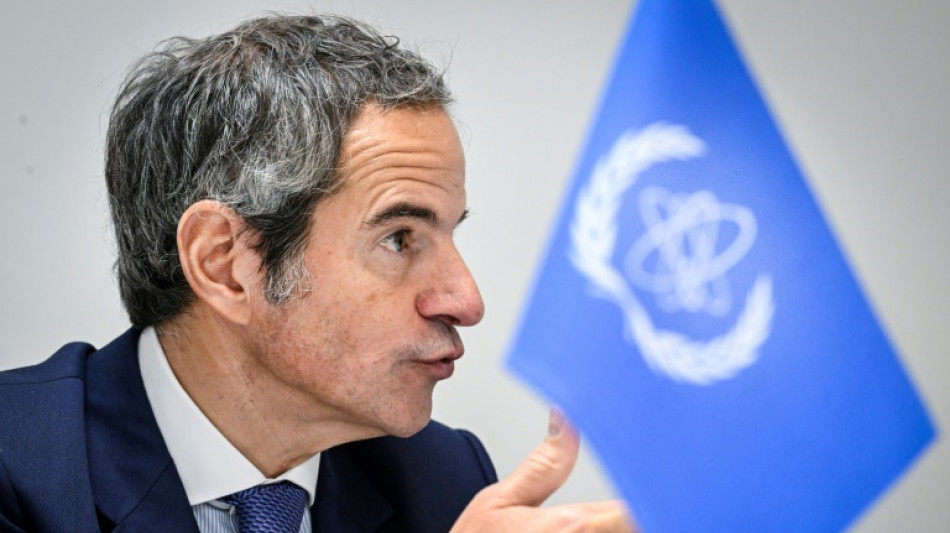
UN nuclear chief heads to Iran for crucial talks / Photo: Alexander NEMENOV - AFP

 Asian Games offer 'deepest apologies' for South Korea anthem blunder
 تطورات "سي أن أن": تقرير بالذكاء الاصطناعي كاد يشعل حرباً بين أميركا والصين
 Inter Milan and Italy icon Mazzola dies aged 83
 UK actor Naomi Watts honoured at Spain film festival

 Saudi capital issues first air raid alert since renewed fighting in Yemen
 Martin edges title rival Marquez for Austrian MotoGP pole
 Indonesia accepts Malaysia's help to tackle wildfires
 Indians living in Japan on stand-by to house Asian Games athletes
 Trump signs bill authorizing sweeping Russia sanctions
 Protesters form human chain at Kennedy Center after Trump threat
 Death toll from attack at police HQ in Pakistan rises to 31
 Trump says Denmark to give US 'permanent control' over Greenland security
 Kennedy Center: future unclear for iconic Washington arts hub
 Trump claims 'infinite' Greenland security deal with Denmark

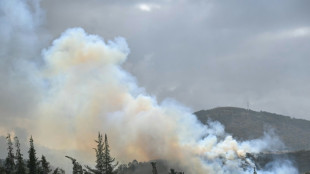 Helicopters battle wildfire threatening Ecuador's capital

 Brentford batter Chelsea to undo Alonso's promising start
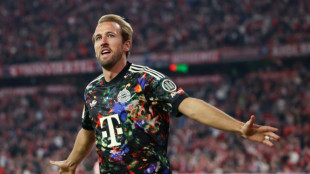 Kane hits Bundesliga century as Bayern rout Union
 Trump says CNN, MS NOW, Politico banned from White House
 Hushing and hedging: US companies retreat on climate
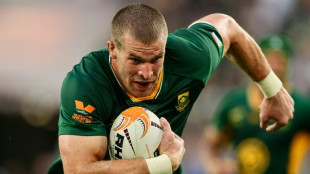 Springboks to face Fiji before 2027 Rugby World Cup
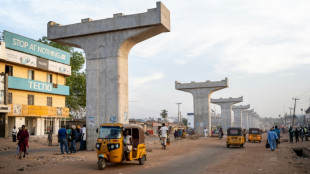 Nigeria miners struggled to breathe in cell before 37 died: survivors

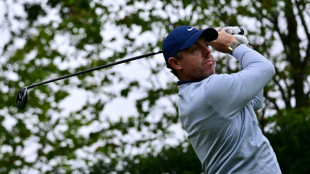 McIlroy on the charge at PGA Championship as Reed withdraws
 McIlroy on the charge at PGA Championship

 Crisis-wracked Volkswagen warns of 10-bn-euro hit to profits
 Costa Rica's Grynspan tops third informal poll for UN chief: diplomat
International Atomic Energy Agency chief Rafael Grossi is set to visit Tehran on Wednesday for crucial talks on Iran's nuclear programme, warning just ahead of his trip that room for manoeuvre is narrowing.
His visit comes only two days after the defence minister of Iran's nemesis Israel warned the Islamic republic was "more exposed than ever to strikes on its nuclear facilities".
Israel has long accused Iran of seeking to acquire nuclear weapons, a claim Tehran denies.
The two countries have traded missile strikes this year, as tensions soar over Israel's war on Iran's allies, Hamas in Gaza and Hezbollah in Lebanon.
The strikes have brought to the surface their years-long shadow war and fuelled fears of a wider Middle East conflict.
"The margins for manoeuvre are beginning to shrink," Grossi said in an interview with AFP ahead of his visit, adding that "it is imperative to find ways to reach diplomatic solutions".
While the IAEA is allowed to carry out inspections in Iran, Grossi stressed the need for "more visibility" into Iran's nuclear programme, given its scale and ambition.
Grossi's trip comes after Donald Trump -- who pulled out of a hard-won nuclear deal with Iran negotiated under Barack Obama -- was voted back into the White House.
Trump said last week that he was not seeking to harm Iran and instead wanted its people to have "a very successful country", while insisting "they can't have a nuclear weapon".
In 2015, major world powers including the United States reached an agreement with Iran on its nuclear programme after 21 months of talks.
The text provided for an easing of international sanctions on Iran in exchange for guarantees that it would not seek nuclear weapons.
But Trump withdrew from the agreement in 2018 before re-imposing US sanctions on Iran.
A year later, Iran started to gradually roll back its commitments to the nuclear deal, which only allowed Tehran to enrich uranium to 3.65 percent purity.
The IAEA says Iran has considerably increased its reserves of enriched uranium to 60 percent, close to the 90 percent needed to develop an atomic bomb.
It is against this backdrop that Grossi is schedule to visit Iran for the first time since May.
In a statement, the IAEA said it would hold "high-level meetings with the Iranian government" and conduct "technical discussions on all aspects".
- Cameras unplugged -
Iranian President Masoud Pezeshkian, who came to office in July with hopes of improving ties with the West and having sanctions lifted, favours a revival of the nuclear deal.
But all efforts to get the nuclear agreement off life support have so far failed.
The IAEA chief has repeatedly called for more cooperation from Iran.
In recent years, Tehran has decreased its interaction with the UN agency by deactivating surveillance devices needed to monitor the nuclear programme and effectively barring its inspectors.
The foundations of Iran's nuclear programme date back to the late 1950s, when the United States signed a civil cooperation agreement with then-Iranian Shah Mohammad Reza Pahlavi.
In 1970, Iran ratified the Non-Proliferation Treaty (NPT), which requires signatory states to declare and place their nuclear materials under the IAEA control.
But with Iran threatening to hit back at Israel for its latest missile strikes, some lawmakers in the Islamic republic have called on the government to revise its nuclear doctrine to pursue nuclear weapons.
The parliamentarians called on supreme leader Ayatollah Ali Khamenei, who wields ultimate authority in Iran, to reconsider his long-standing religious edict or fatwa banning nuclear weapons.
The Islamic republic has maintained its policy against acquiring nuclear weapons, insisting its nuclear activities were entirely peaceful.
W.Mansour--SF-PST