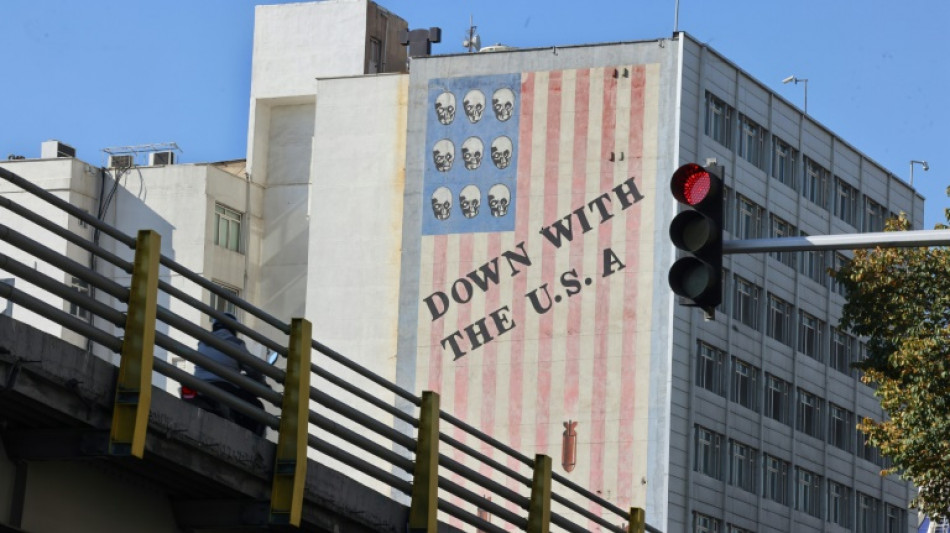
Iran urges Trump to change 'maximum pressure' policy / Photo: ATTA KENARE - AFP

 Man City outgun Sunderland despite Brobbey hat-trick, Liverpool win at Bournemouth
 Top US, Chinese economic officials meet ahead of Trump-Xi summit
 Erdogan's LGBTQ crackdown 'first step of election campaign': activist
 Mass drone barrage on Moscow kills two

 82-year-old dies after beach fight in Greece over sun lounger

 US warns of rapid escalation in Mideast war
 Iran 'put hearts on the court' to win Asian Games basketball bronze
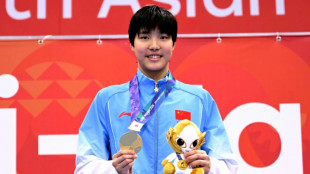
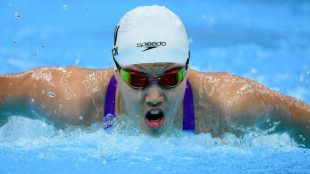
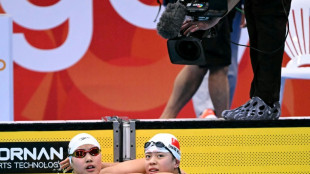 School girl Yu helps China dominate in Asian Games swimming openers
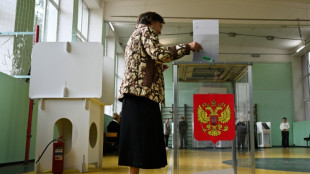 Drones hit Moscow as Russians go to the polls

 New England boss Fleming says 'wrong' to ask Stokes to end retirement
 تقرير حول منصّة شرطة دبي بـ«سوق السفر» تستقبل أكثر من 5 آلاف زائر
 تقرير حول إيطاليا: نجهز مهمة بحرية لحماية الملاحة في البحر الأحمر
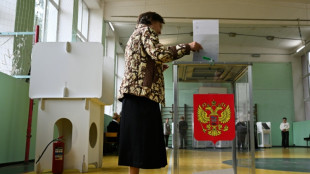 Russians vote on last day of parliamentary elections
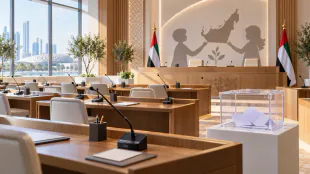 تقرير حول إغلاق باب الترشح لعضوية البرلمان الإماراتي للطفل في فصله التشريعي الثاني
 Hong Kong pays final respects to former city leader Tung
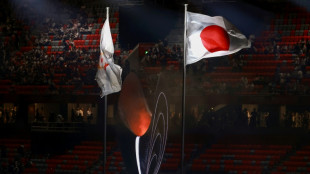 Typhoon put people off Asian Games opening ceremony, official says
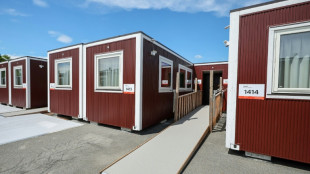 IOC president impressed by 'beautiful' Asian Games wooden huts
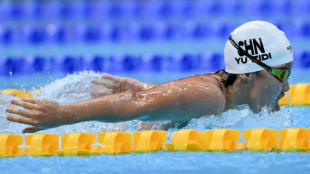 China's 13-year-old Yu cruises as Asian Games swimming begins
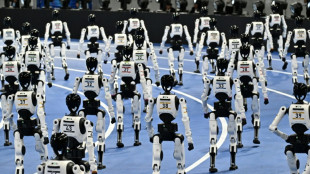 AI 'warning shots' focus Beijing on national security risks
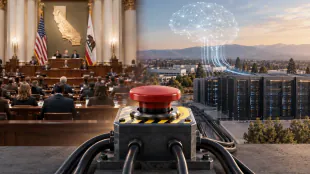
 Data centre command hub keeps AI up and running
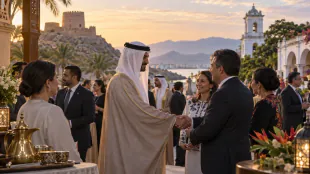
 Philippine tribe in limbo over US-led tech hub
 Leo XIV, first US pope transcends his restrained style
 Singer Ed Sheeran says Gaza situation 'unjustifiable' following controversy
 In 'Tenzing', a Sherpa mountaineer gets his due
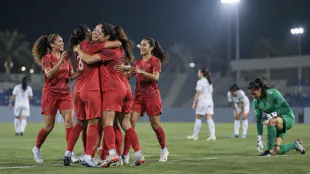 حصيلة سيدات القادسية يكتسحن الترجي بـ14 هدفاً نظيفاً في الدوري الممتاز
Iran signalled an openness towards Donald Trump Saturday, calling on the president-elect to adopt new policies towards it after Washington accused Tehran of involvement in a plot to kill him.
Vice President for Strategic Affairs Mohammad Javad Zarif urged Trump to reassess the policy of "maximum pressure" he employed against the Islamic republic during his first term.
"Trump must show that he is not following the wrong policies of the past," Zarif told reporters.
His remarks came after the United States accused Iran of conspiring to assassinate Trump.
The foreign ministry on Saturday described the American accusations as "totally unfounded".
Tehran and Washington severed diplomatic relations shortly after the Islamic revolution in 1979.
Zarif, a veteran diplomat who previously served as foreign minister, helped to seal the 2015 nuclear accord between Iran and Western powers, including the United States.
However, the deal was torpedoed in 2018 after the United States unilaterally withdrew from the deal under Trump, who later reimposed sanctions on Tehran.
In response, Iran rolled back its obligations under the deal and has since enriched uranium up to 60 percent, just 30 percent lower than nuclear-grade.
Tehran has repeatedly denied Western accusations that it seeks to develop a nuclear weapon.
Zarif on Saturday that it was Trump's political approach towards Iran that led to the surge in enrichment levels.
"He must have realised that the maximum pressure policy that he initiated caused Iran's enrichment to reach 60 percent from 3.5 percent, and increased its centrifuges," he said.
- 'Wrong approaches' -
"As a man of calculation, he should do the math and see what the advantages and disadvantages of this policy have been and whether he wants to continue or change this harmful policy," Zarif added.
In December 2017 Trump recognised Jerusalem as Israel's capital and the following year moved the American embassy there.
Trump also recognised Israeli sovereignty over the Golan Heights, which Israel captured from Syria in 1967 and later annexed.
During his first term, Trump also ordered the killing of revered Iranian military commander Qasem Soleimani, who led the Islamic Revolutionary Guard Corps foreign operations arm, the Quds Force.
Soleimani was killed in a drone strike while he was in the Iraqi capital Baghdad in January 2020.
The Islamic republic has not recognised its arch-nemesis Israel since the US-backed shah was toppled in 1979.
On Thursday, foreign ministry spokesman Esmaeil Baghaei said he hoped the president-elect's return to power would allow Washington to "revise the wrong approaches of the past", although he avoided mentioning Trump by name.
On Tuesday, election day in the United States, Trump told reporters he was "not looking to do damage to Iran".
"My terms are very easy. They can't have a nuclear weapon. I'd like them to be a very successful country," he said after casting his ballot.
Iran insists that it uses nuclear technology for safe and civilian purposes.
Trump's election victory came after Iran and Israel attacked each other directly, raising fears of a further regional spillover of the conflicts in Gaza and Lebanon.
S.Barghouti--SF-PST