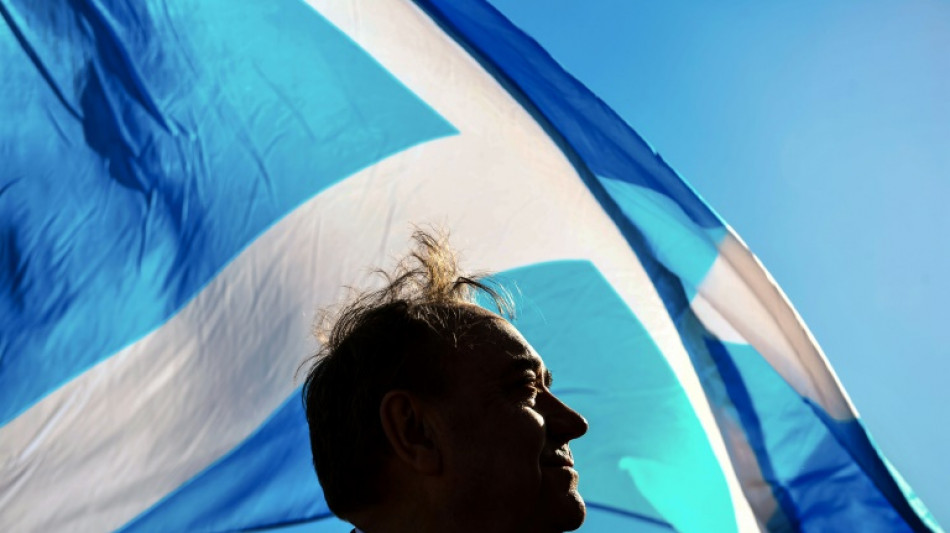
Alex Salmond: the man who took Scotland to the brink of independence / Photo: Andy Buchanan - AFP/File

 President tells Trump that Iran will never 'bend at the knee'
 アレックス・ボディ氏とシュテファン・ハウプト教授、ルーマニアの伝説的な美術コレクションをめぐり提携に合意
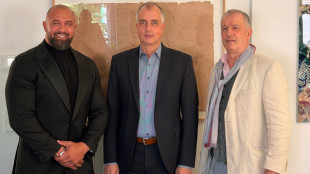 亞歷克斯·博迪與史蒂芬·豪普特教授就羅馬尼亞傳奇藝術收藏達成合作協議
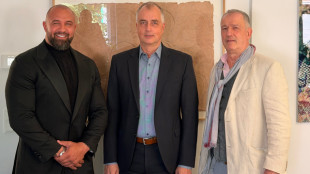
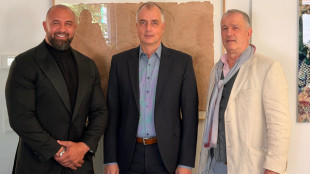 Алекс Боди и проф. д-р Стефан Хаупт договорились о сотрудничестве в рамках легендарной коллекции произведений искусства в Румынии
 French foreign minister says Palestinians 'must' hold polls
 Fresh Russian strikes on Ukraine's infrastructure kill seven
 Eriksen to return to Denmark after parting ways with Wolfsburg
 Brad Pitt says working with dog co-star was 'really moving'

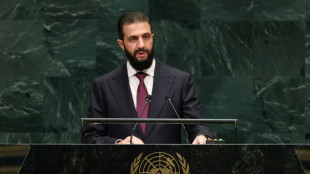 Golan will remain Syrian, vows President al-Sharaa at UN
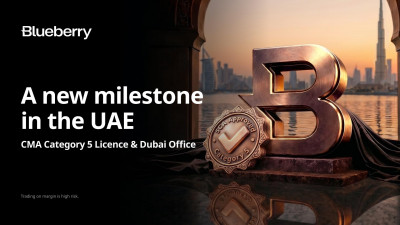 Blueberry Strengthens MENA Presence with CMA Category 5 License and Dubai Office Launch
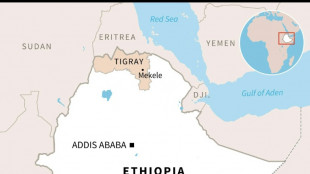
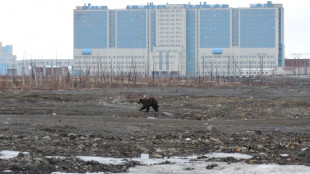 Russia probes bear attacks, as official says town under 'siege'
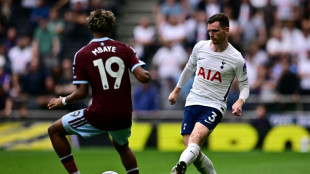 Robertson tells Spurs to 'forget' past woes
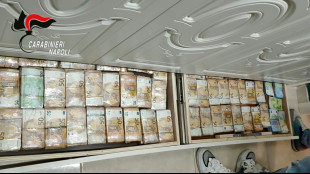 Italy police find 3 million euros stashed in mobster's house
 Renard versus Queiroz in AFCON qualifying blockbuster
 Former Mexico boss Aguirre returns to Spain with Valencia
 China swimmer, 13, seals Games hat-trick as North Korea win first gold
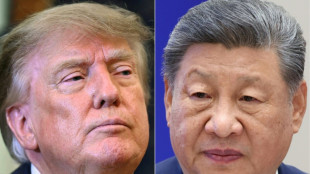 China's Xi heads to US for talks with Trump: state media
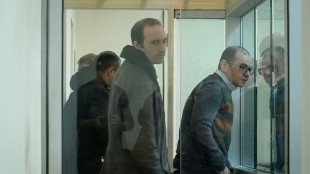 Azerbaijan pardons Frenchman after EU lifts sanctions on oligarchs
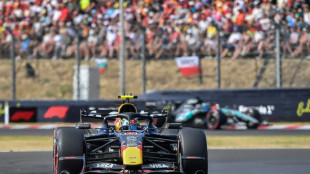 Hadjar extends Red Bull contract for 2027 F1 season
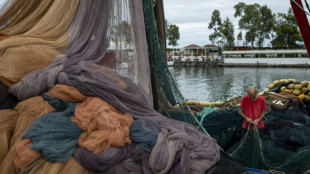 Black Sea drone attacks spell terror for Turkish sailors
 Canada judge to decide prison term for suicide poison seller

 Weinstein faces resentencing in New York for 2006 sex assault

 Outgoing UN chief makes climate push at New York summit
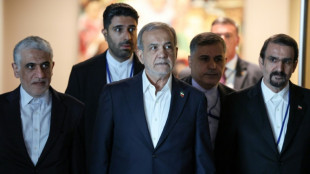 AI risks, Iran war to take center stage at UN
 Badminton no.1 An tells dad to keep it down at Asian Games
Alex Salmond, who died on Saturday aged 69, was for years the figurehead of Scottish independence, a wily political operator who divided opinion as he took the nationalist movement from the political fringes to the mainstream.
He never got to see his beloved Scotland break away from the rest of the United Kingdom, but he was making the case for the country to go its own way right to his last breath.
Salmond, who died after falling ill after making a speech in North Macedonia, stepped down as Scotland's first minister after losing the 2014 independence referendum, handing power to his deputy and one-time protegee Nicola Sturgeon.
But he remained a larger-than-life presence in the background, prompting some former colleagues in the Scottish National Party to suspect he was plotting a political comeback.
Just before the Scottish parliamentary elections in 2021, they were proved correct, as Salmond launched what he claimed would be a complementary nationalist movement -- Alba -- to deliver a "supermajority" for independence in the Edinburgh parliament.
With the SNP and Alba in Holyrood, he argued, the UK government in London could not ignore Scots' backing for independence -- or at least another referendum.
Alba, though, failed to win a seat in the devolved parliament, leaving Salmond out in the cold.
The SNP had already cast him adrift: a year earlier he fought for his personal reputation in the courts after being charged with sexual offences, including attempted rape.
With Scotland more than most a place of political skullduggery, the acquitted Salmond quickly pointed the finger at his enemies for having pushed for the prosecution.
Sturgeon had already pointedly distanced herself from her former mentor, and the bad blood reinforced rifts in the SNP between those loyal to the former leader and his successor.
- Pragmatist -
Alexander Eliott Anderson Salmond was born in 1954 in Linlithgow, near Edinburgh. Appropriately, he arrived on Hogmanay -- the Scots term for New Year's Eve, a night of whisky, song and dance beloved of Scots around the world.
After studies in economics and medieval history at St Andrews University, he became an economist with the Royal Bank of Scotland before entering the UK parliament.
In 1990 he took over the leadership of the SNP, moving it to the centre ground, four years before Labour's Tony Blair did the same.
David Torrance, author of "Salmond: Against the Odds", said both Salmond and Blair were more pragmatic than dogmatic and their slogan could be summed up as: "Whatever works".
In the first elections for the re-established Scottish parliament in 1999 -- created under Blair's leadership -- the SNP lost to Labour and Salmond quit as leader, claiming it was "forever".
But he was re-elected in 2004. "I changed my mind," he said.
Three years later, he was elected first minister of a minority SNP government in Edinburgh, then in 2011 won an absolute majority -- then the promise from London of a referendum.
- Regrets -
For loyal supporters, Salmond, who often sported tartan scarves and ties with the blue and white Saltire of Scotland, had unflagging determination and canny political know-how.
Detractors branded him arrogant and misogynistic with a penchant for populism.
From 2017, he presented a talk show on the Kremlin-funded channel RT, for which he was also criticised.
But both sides agreed that Salmond was one of the most talented politicians of his generation.
Just last month, Salmond, who had a passion for horse racing, fine wine, Indian curry, football and golf, said he regretted standing down as first minister, with independence seemingly off the table.
Sturgeon stepped down unexpectedly early last year. Labour's progress in Scotland at this year's UK general election could imperil the SNP's grip on power in the 2026 Scottish parliamentary vote.
For their critics, Salmond, Sturgeon and the SNP's push for independence came at the expense of addressing the day-to-day issues Scotland's parliament controlled: health, education, housing and transport.
"I thought to make a point of departure for the referendum in the future was a right thing for the national movement," Salmond told an ITV documentary in September. "Looking back, that was a mistake.
"Now, in retrospect, that was a daft thing to do. But then... I thought we were set for independence in a reasonable timescale.
"If you'd told me then that 10 years later, we'd still be waiting despite the manifest opportunities there have been, then I would have said, 'well, I'll just hang about then and see the matter through'."
Salmond leaves a wife, Moira, 87, whom he married in 1981. The couple had no children.
I.Saadi--SF-PST