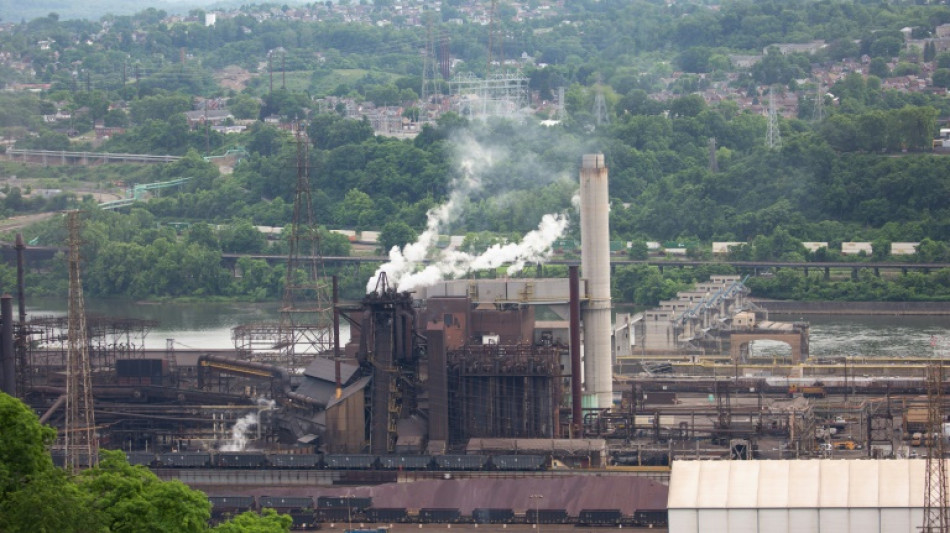
Nippon Steel fight points to industry's uncertain future in Pennsylvania / Photo: Rebecca DROKE - AFP

 Man City chairman defiant over reported Premier League charges
 Germany ready to 'walk through fire' for Klopp, says Tah

 At least 16 killed in Russian and Ukrainian strikes
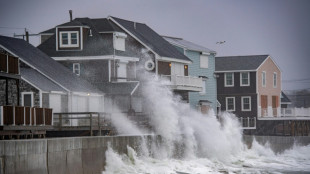 Powerful storm pummels US Northeast
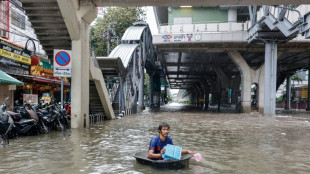 Bangkok declares disaster after homes flooded, roads submerged by heavy rain

 Norris calls for errant Colapinto to be banned for causing Baku crash

 Russell finds himself again and prepares to heap pressure on Antonelli
 South Korea hold nerve to win Asian Games basketball gold

 غرفة أبوظبي تستعرض برامج دعم مجتمع الأعمال في العين
 لماذا يحتفظ مسلسل «رأفت الهجان» بجاذبيته بعد أربعة عقود؟
 العراق يتحرى مصير 18 مهاجراً يُشتبه بغرقهم قبالة ليبيا

 فيصل بن فرحان ونواف سلام يبحثان العلاقات السعودية اللبنانية
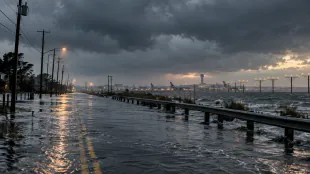 عاصفة قوية تقطع الكهرباء وتربك الرحلات في نيوجيرسي
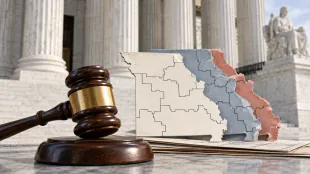 المحكمة العليا الأميركية ترفض مجدداً خريطة دوائر ميزوري
 «ميتا» تعرض جهاز «ميوز تشارم» لتقليل الاعتماد على الهاتف

 منتدى دبي للصناعات الغذائية يطلق دليلاً وطنياً وبرنامجاً للرواد
 عجمان ووزارة الاقتصاد تبحثان رفع كفاءة الأسواق وبيئة الأعمال
 تقرير يرصد 12 خرقاً لوقف إطلاق النار في غزة خلال يوم

 برمجية «CLOSEDQUORUM» تستخدم أربعة نماذج ذكاء اصطناعي في الهجوم
 عبدالله بن زايد يحضر أول «مجلس الإمارات للاستثمار» في نيويورك
 برنامج إماراتي يحول النصوص الأدبية إلى أعمال مرئية

 مصر و«الفطيم» تبحثان مشروعات لوجستية وتوسعات استثمارية

 منصة رقمية موحدة في مصر لتأسيس الشركات والتراخيص
 قنوات الاستفسار عن المساعدة المالية بقيمة 1250 شيكلاً في غزة
 غزة تطالب بحماية الصحفيين بعد ارتفاع حصيلة القتلى إلى 262
Nippon Steel's proposed acquisition of United States Steel has been a source of unease in Pittsburgh, where the metal once dominated the economy and still looms large in the collective psyche.
Critics such as the United Steelworkers (USW) see the transaction as the latest threat to come along in a years-long struggle to keep the industry alive after plant closures in 1970s and 1980s battered the American rustbelt.
"There's just so much history here and a lot of pride that comes with that," said the USW's Bernie Hall, a 4th generation metals worker. "It wouldn't be western Pennsylvania without steel."
In December, US Steel sealed a $14.9 billion deal to sell itself to Japan's Nippon Steel, which has promised investments to keep Pennsylvania factories competitive with foreign producers and newer "mini mills" in the American South that are less taxing on the environment.
But Hall, head of the Pennsylvania chapter for the USW, said the Japanese company had been evasive about specific plans for Pittsburgh-region plants in an area called the Mon Valley, the earliest of which dates to 1875.
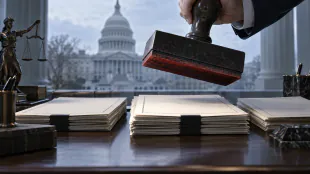
Both President Joe Biden and challenger Donald Trump have vowed to annul the deal as the two compete for blue-collar votes, putting the transaction into limbo, probably until after the November election at least.
At stake are the Pittsburgh region's last remaining steel factories, located just outside the city.
- City transformed -
For most Americans, Pittsburgh remains virtually synonymous with steel, partly owing to the prominence of the Pittsburgh Steelers American football team.
But the complexion of a metropolis once known as the Smoky City changed fundamentally after the last plants shuttered in the 1980s.
Steel "is still part of our identity, but we're disconnected from that identity," said former steelworker Edward Stankowski Jr., whose memoir "Memory of Steel" details his exit from the industry with thousands of others in the early 1980s.
Stankowski, whose childhood Pittsburgh home looked out onto steel plants, started in the industry out of high school in the 1970s when many young men viewed the job as a ticket to the middle class, trading hard labor in a hazardous setting for good wages and a solid retirement.
The land where Stankowski's factory once stood in Pittsburgh's South Side has been repurposed and now includes apartments named "Hot Metal Flats" and a Cheesecake Factory restaurant.
"I do not miss it," said Stankowski, who went to university after leaving steel and is now a professor at La Roche University. "I like having clean air. I like having clean water."
Steel was well suited to western Pennsylvania, a region with waterways and an abundant supply of coal, but "there's been a fundamental, almost tectonic shift in the geography of steel," said regional economist Chris Briem of the University of Pittsburgh.
The Mon Valley plants "have been around a long time," Briem said. "If they don't get a lot of new reinvestment, they probably won't be competitive much longer."
Locals see symbolism in the renaming of US Steel tower downtown as the UPMC building after the region's biggest employer, the University of Pittsburgh Medical Center.
- Long-term commitment? -
Once owned by Andrew Carnegie, the Edgar Thomson plant in Braddock is one of three western Pennsylvania factories that US Steel manages together with a fourth plant in eastern Pennsylvania in an operation known as "Mon Valley Works."
Nippon has promised to keep the plants open and invest $1.4 billion in USW-represented facilities through 2026 when the current labor contract expires. The company has also vowed to keep US Steel's 1,000-worker office in downtown Pittsburgh.
"You cannot tell the story of US Steel without Pennsylvania playing a leading role, and Nippon Steel will keep it that way," Nippon vice chairman Takahiro Mori wrote in a June 9 op ed in the Pittsburgh Post Gazette.
Nippon has hinted that odds for US approval could improve after November. Backers of the transaction argue that US Steel could be broken up if the deal dies, adding more uncertainty to US Steel's 3,000 hourly workers in Pennsylvania.
But the USW says Nippon's plans are vague and give the company an out in a downturn.
"They're saying they're going to invest in the plants," Hall said. "What does that mean?"
Workers want a sign that whoever runs Mon Valley "is interested in running these mills for the long-term and really investing in this community," Hall said. "That's exactly what they're not hearing from either Nippon or US Steel."
Some Mon Valley workers interviewed by AFP slammed the deal as a money grab by US Steel management, expressing fear about their jobs. But others are open to it.
Alex Barna, a machinist at the West Mifflin plan, described himself as "on the fence" as he weighs his hopes and worries, saying of Nippon, "they might be in it for the long haul."
Q.Jaber--SF-PST