Solomons signed China security pact 'with our eyes open': PM / Photo: Handout - RSIPF/AFP/File

 Vote count begins in Alberta secession referedum, testing Canada unity
 Ukraine claims US missile holdup as Trump floats summit without Zelensky
 Detained Suu Kyi receives UK royal package: Myanmar govt

 Japan successfully launches probe in historic Mars moon mission
 US to auction deep sea mining leases off American Samoa
 Australian lawmaker hurt in car attack underwent surgery overnight: PM
 Japan launches rocket for potential world first Mars moon mission

 Ethiopia PM warns Eritrea of 'severe consequences' if supports enemies
 Boland grabs opportunity for Australia as South Africa struggle in second Test
 Ronaldo handed 30-day suspension: Portuguese federation
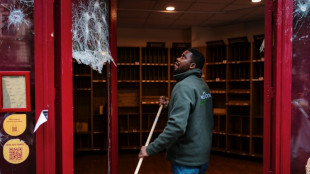 France announces curfews as government grapples with unrest
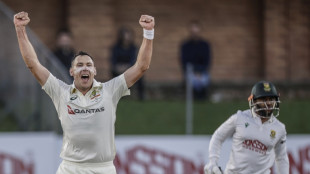 Boland sets pace as South Africa struggle
 Ukraine on back foot as Kremlin moots US, China meeting
 'Stay home!': Tourists find themselves in a France convulsed by protests

 Kenyan cult leader guilty on all charges over 191 starvation deaths
 Eagles star Hurts to miss rest of NFL season: reports
 Oil-rich Alberta votes on Canada breakup

 Israel announces arrests after West Bank settler attacks on Westerners
 Guehi insists players have 'trust and belief' in Man City after charges
 UN climate panel head wants swift end to deadlock over key scientific report
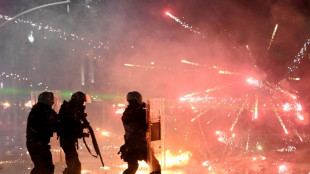
 PM calls for curfews in France as govt grapples with unrest
 Man City's Semenyo out for up to eight weeks
 Australian lawmaker critically hurt in 'violent' vehicle attack
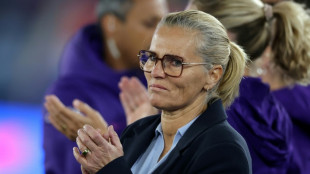 England women's coach Wiegman signs two-year contract extension
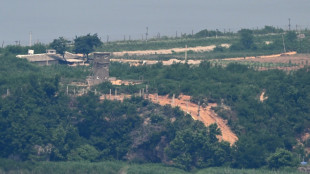
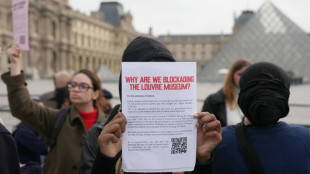
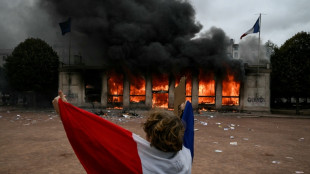 Louvre blocked as France grapples with unrest
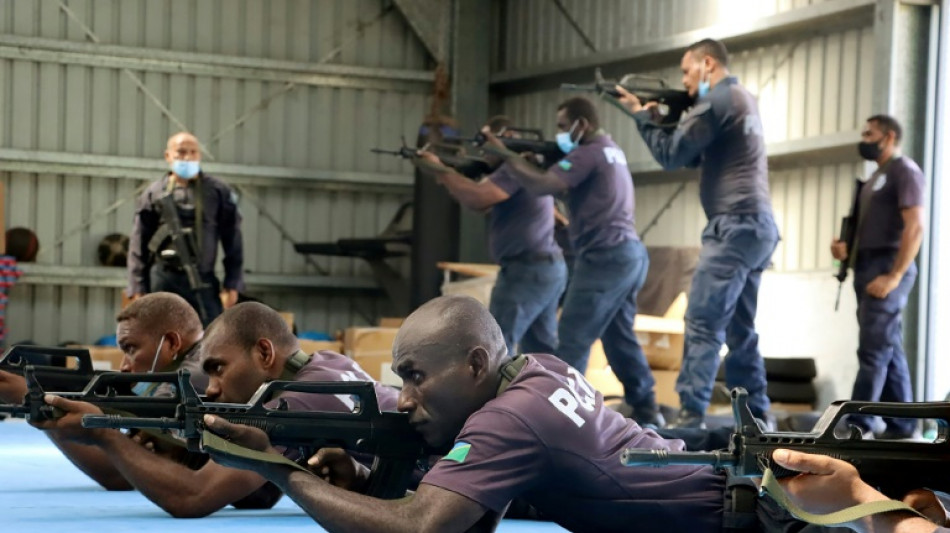
Solomon Islands Prime Minister Manasseh Sogavare said Wednesday his government signed a controversial security pact with China "with our eyes open" but refused to say when it may be published.
The deal, announced by Beijing a day earlier, has faced sharp criticism from the United States and Australia, which fear the pact could lead to China gaining a military foothold in the South Pacific.
Sogavare told parliament it was an "honour and privilege" to announce that the deal had been signed by officials in Honiara and Beijing "a few days ago".
He declined to tell the opposition leader when the signed version of the pact would be made public. A bilateral security deal with Australia was signed in 2017, and came into force the following year.
A draft version of the China-Solomon Islands deal sent a shock wave across the region when it was leaked last month, particularly measures that would allow Chinese naval deployments to the Pacific nation, located less than 2,000 kilometres (1,200 miles) from Australia.
The broad wording of the draft deal prompted a flurry of diplomatic overtures from the United States and Australia to prevent it from being signed -- including a last-ditch visit from Australia's Pacific minister -- but they were ultimately unsuccessful.
"Let me assure the people of Solomon Islands that we entered into an arrangement with China with our eyes open, guided by our national interests," Sogavare told parliament on Wednesday.
He asked all of his nation's "neighbours, friends and partners to respect the sovereign interests of the Solomon Islands".
- Australia criticised -
Australian Prime Minister Scott Morrison faced questions about the Solomon Islands deal while on the election campaign trail Wednesday and said he would visit the Pacific nation of 800,000 people "at the first opportunity".
He rejected criticism that his government had bungled relations with the Solomons and should have sent Foreign Minister Marise Payne to personally lobby against the deal.
"We treat Pacific neighbours as siblings in family and our view is you don't go stomping around telling leaders in Pacific islands what they should and shouldn't do," Morrison said.
News that China and the Solomon Islands had signed the deal broke just days before senior US National Security Council official Kurt Campbell is due to arrive in the Pacific nation for high-level talks.
The United States has promised to reopen its embassy in the Solomon Islands, which has been closed since 1993.
- Deal 'rushed through' -
Mihai Sora from the Sydney-based Lowy Institute think tank said it was "almost certain the deal was rushed through" ahead of Campbell's visit.
The deal being signed limits US official Campbell's options, Sora said, adding that he believed Sogavare was "honest when he says he doesn't want a Chinese military base in the Pacific".
The security pact was signed in the wake of violent protests which gripped the Solomon Islands capital Honiara last November, and led to much of the city's Chinatown being burned to the ground.
The unrest was sparked by opposition to Sogavare and partly fuelled by poverty, unemployment and inter-island rivalries, but anti-China sentiment also played a role.
X.Habash--SF-PST