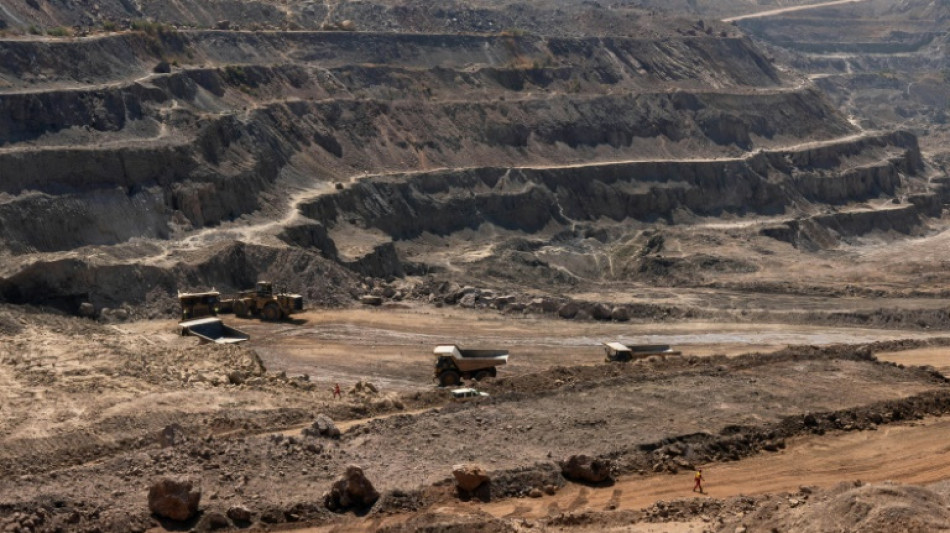
DR Congo accuses Apple of using 'blood minerals' from war-torn east / Photo: Emmet LIVINGSTONE - AFP

 Oil up, Wall Street dips after Trump rejects Iran truce offer

 Gakpo withdraws from Netherlands squad

 SpaceX puts Starship megarocket in orbit for first time
 Iran denies link to suspected bomb plot at UK airbase used by US
 Ex-boss Mancini says City charges 'not my concern'

 Berlin Marathon winner Assefa finished race with torn Achilles

 Comedian convicted for Erdogan 'insult' but freed pending appeal
 French prosecutors seek two-year sentence for ex-minister Dati in graft case

 Eala makes fast start as weather and transport woes hit Asian Games

 Hurricane Polo approaches Mexico, threatens severe damage

 Energy markets rally after Trump rejects Iran truce offer
 Japanese convenience store enlists Lady Gaga to bolster recruitment

 Seoul summons Ukraine envoy in row over North Korean POWs

 Ireland 'raised awareness worldwide' in Israel game: Hallgrimsson

 Colombian police capture wife, daughter of Ecuador drug lord
 More Asian Games woes as bus takes Pakistan team to wrong venue

 Radio frequencies vital to Earth observation must be protected: UN
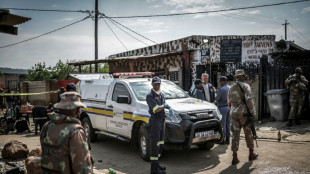
 Comedian on trial for insulting Erdogan in standup show

 Women's Fashion Week kicks off in Paris

 Pope arrives in French border city to speak on united Europe
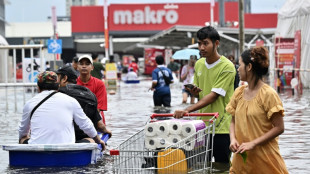
 The wildfires choking Indonesia, sparking regional haze
 PU Prime Deepens Argentina Presence Through FX Expo Buenos Aires 2026

 Nothing to seal here: NZ police help stranded pup home
 White House releases list of products US, China could tax less
 'Pseudo-journalism': Partisan 'news' sites target US midterms

The government of the Democratic Republic of Congo is accusing Apple of using "illegally exploited" minerals extracted from the country's embattled east in its products, lawyers representing the African country said Thursday.
The DRC's lawyers have sent Apple a formal notice seen by AFP, effectively warning the tech giant that it could face legal action if the alleged practice continues.
The Paris-based lawyers accused Apple of purchasing minerals smuggled from the DRC into neighbouring Rwanda, where they are laundered and "integrated into the global supply chain".
Contacted by AFP, Apple pointed to statements from its 2023 annual corporate report regarding the alleged use of so-called conflict minerals that are crucial for a wide range of high-tech products.
"Based on our due diligence efforts... we found no reasonable basis for concluding that any of the smelters or refiners of 3TG (tin, tantalum, tungsten and gold) determined to be in our supply chain as of December 31, 2023, directly or indirectly financed or benefited armed groups in the DRC or an adjoining country," it said.
The DRC's mineral-rich Great Lakes region has been wracked by violence since regional wars in the 1990s, with tensions resurging in late 2021 when rebels from the March 23 Movement (M23) began recapturing swathes of territory.
The DRC, the United Nations and Western countries accuse Rwanda of supporting rebel groups, including M23, in a bid to control the region's vast mineral resources, an allegation Kigali denies.
"Apple has sold technology made with minerals sourced from a region whose population is being devastated by grave human rights violations," the DRC's lawyers wrote.
Sexual violence, armed attacks and widespread corruption at sites providing minerals to Apple are just some of the claims levelled in the letter.
Macs, iPhones and other Apple products are "tainted by the blood of the Congolese people", the DRC's lawyers said.
-'Notoriously insufficient'-
French lawyers William Bourdon and Vincent Brengarth sent the formal notice this week to two Apple subsidiaries in France, and lawyer Robert Amsterdam send them to the tech company's US headquarters.
"Apple has consistently relied on a range of suppliers that buy minerals from Rwanda, a mineral-poor country that has preyed upon the DRC and plundered its natural resources for nearly three decades," they wrote.
The DRC is rich in tantalum, tin, tungsten and gold –- often referred to as 3T or 3TG –- that are used in producing smartphones and other electronic devices.
The tech giant's efforts to ethically source its minerals are "notoriously insufficient", Bourdon and Amsterdam wrote.
"Apple seems to rely mainly on the vigilance of its suppliers and their commitment to respect Apple's code of conduct," reads the official letter.
But both their suppliers and external audits appear to rely on certification from the Tin Supply Chain Initiative (ITSCI), "which has been shown to have numerous and serious shortcomings", the formal notice said.
The ITSCI programme is one of the main mechanisms set up over ten years ago to ensure the supply of "conflict-free" minerals in the DRC, according to the British NGO Global Witness.
In April 2022, Global Witness accused ITSCI of contributing to the laundering of conflict minerals, child labour, trafficking and smuggling in the DRC.
Apple is not the only major company relying on the "flawed" system, Global Witness said.
Tesla, Intel and Samsung are among the companies that depend on ITSCI, but Global Witness's report revealed that "ninety percent of the minerals" from specific mining sites reviewed by the programme did not come from validated mines.
The DRC's formal notice to Apple includes questions about "3T minerals used in Apple products" and demands that the tech company respond "within three weeks".
"All legal options are on the table," the lawyers told AFP.
– 'Blood minerals' –
Growing demand for cobalt and copper to power so-called clean energy, including rechargeable batteries, has also led to forced evictions, sexual assault, arson and beatings in eastern DRC, according to a 2023 Amnesty International Report.
M23 rebels currently control large swathes of North Kivu and are encircling the provincial capital of Goma, where more than one million displaced by the war have crammed into desperate camps.
The UN said in 2023 that people living in eastern DRC faced unheard-of violence, naming it one of the "worst places" in the world for children.
Minerals are transported into Rwanda, where they are laundered to outmanoeuvre oversight meant to prevent the sale of "conflict minerals", according to Global Witness.
"The responsibility of Apple and other major tech manufacturers when they use blood minerals has for too long remained a black box," the lawyers told AFP.
N.Awad--SF-PST