
Kuwait, under new emir, votes yet again / Photo: YASSER AL-ZAYYAT - AFP/File

 استقرار أسعار الذهب مع ترقب المستثمرين لقرارات الفائدة الأمريكية
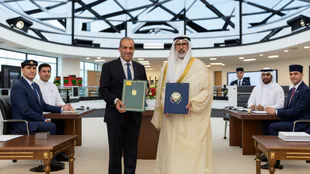 Kuwait and Egypt Sign Eight Agreements to Expand Strategic Partnership

 تقارير إسرائيلية تكشف عن محاولات نتنياهو وزملائه للتأثير على نتائج الانتخابات عبر استهداف الفلسطينيين

 بنك القدس يتعهد بتأمين احتياجات مرضى السكري خلال أمسية توعوية في رام الله
 AI Job Losses at NAB, Qantas, Canva and Atlassian Signal Market Shift, Not Workforce Collapse

 Owner Review: 2023 Volvo XC60 Recharge Exceeds Expectations for Calgary Driver
 Indiana River Otters Make Comeback After Decades of Conservation Efforts

 Tamil Film 'Arivu' Selected for 57th International Film Festival of India
Vote-weary Kuwait heads to the polls for the third time in three years on Thursday, just months into the reign of a new emir but with no end in sight to the major oil exporter's chronic political paralysis.
Elections have become an almost annual occurrence for the OPEC member country, which has seven percent of the world's oil reserves and the monarchical Gulf's most powerful elected assembly.
However, the parliament's clashes with the royal-appointed cabinet have led to a cycle of stalemate, dissolution and fresh elections, delaying much-needed reforms.
Almost 835,000 voters are eligible to choose 50 MPs from 200 candidates, including just 13 women, in only the second Kuwaiti election held during the Muslim holy month of Ramadan.
Polls opened from 12:00 pm and will close at 12:00 am (0900-2100 GMT). Results are expected on Friday, followed by the resignation of the first government appointed by the new emir.
"Kuwait's participatory politics is unmatched in the region," Kuwait University political analyst Bader al-Saif told AFP.
"Its system requires a reset and urgently needed reforms no doubt, but the fact that it enables its citizens to express themselves and have a say in governance makes it different."
Sheikh Meshal al-Ahmad al-Sabah, formerly the world's oldest crown prince, came to power aged 83 in December after the death of his half-brother and predecessor, Sheikh Nawaf.
He took aim at both the cabinet and parliament in his inaugural speech to the assembly, and then announced an era of "reform" as he picked Kuwait's first foreign minister from outside the ruling family.
But in February, the national assembly was dissolved once again, accused in a royal decree of constitutional violations including "offensive and inappropriate language", after a lawmaker responded to the emir's criticism.
Thursday's polls -- the third since 2022, and the fourth in five years -- are unusual as the incoming parliament will be tasked with approving Sheikh Mesal's choice of crown prince, Kuwait's future emir.
Kuwaitis, a minority in the mainly expatriate population of more than 4.3 million, blame the political standoffs for a sluggish economy, aging infrastructure and an inability to enact reforms.
Meanwhile, resource-rich neighbours Saudi Arabia, Qatar and the United Arab Emirates are racing ahead with economic diversification plans.
J.AbuHassan--SF-PST