-
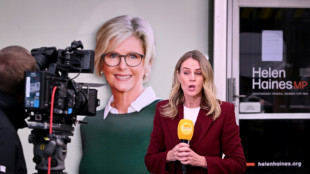 Australian police charge man over 'targeted' attack on lawmaker
-
努莎・奧貝爾:未見嶄新開局,卻見領導失能——波茨坦市長能否勝任其職?

-
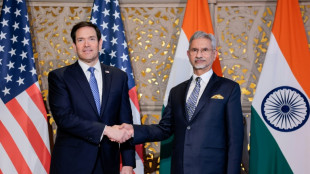
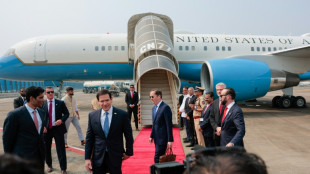 Rubio lands in India for 'trade diplomacy'
-
Zelensky, US envoys to hold Oslo talks as Ukraine claims US missile holdup
-
 China opposes US ban on govt agencies from using DeepSeek
-
On Israeli election eve, settler violence becomes Netanyahu liability

-
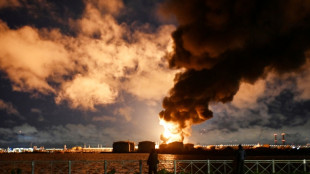
 Near miss: Indonesia probes crash of suspected Chinese rocket fragment
-
Tech firms bear brunt of selling as stocks drop
-
 Indonesia investigates crash of suspected Chinese rocket fragment
-
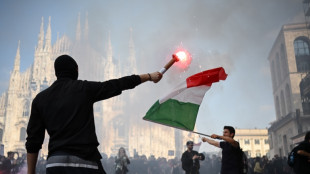
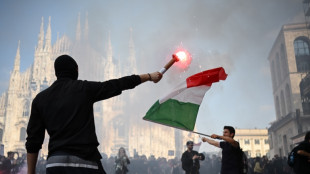
France to impose new curfews where necessary: PM

-
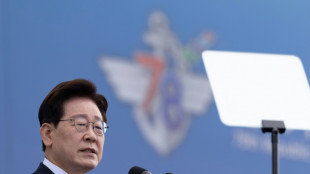 South Korea to withdraw some Ukraine embassy staff after POW row
-
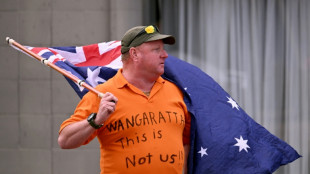
Threats of political violence soar in Australia's 'online echo chamber'
-
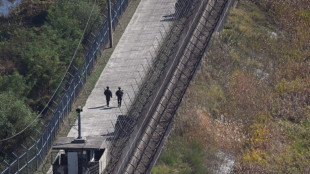 S. Korea warns of 'firm' response after North threatens fresh measures near border
-
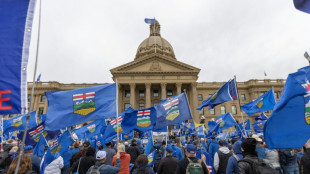
Alberta separatists lose vote on leaving Canada
-
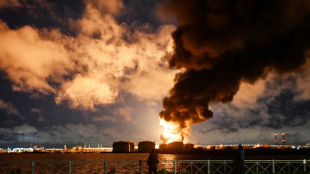 Ukraine claims US missile holdup ahead of reported talks
-
US bans use of China's DeepSeek by govt agencies

-
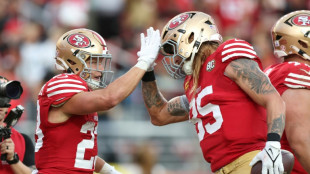 Niners hold off Commanders to stay perfect in NFL
-
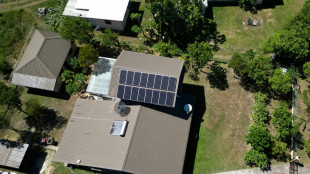
Middle East fuel crunch drives solar push in tiny Fiji
-
 Tech firms bear brunt of selling as Asian stocks drop
-
Indian rappers use music to sound climate alarm

-
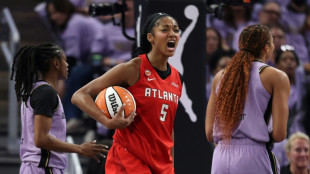 Reese scores 30 as Dream stun Valkyries to level WNBA finals
-
Japan probe on its way to Mars moon

-
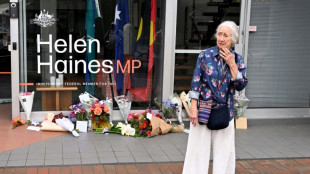 Horror and disbelief after lawmaker attacked in rural Australia
-
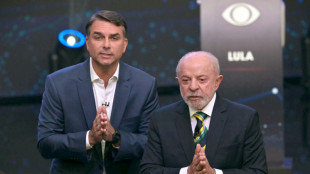
Lula or Bolsonaro's son? Brazil makes a final choice
-
 Ukraine races to secure energy supplies ahead of winter
-
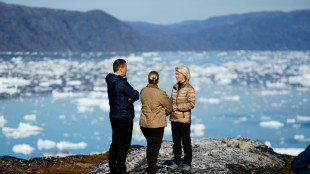
EU unveils strategy to boost Arctic presence
-
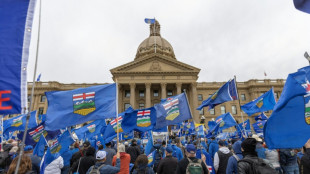 Vote count begins in Alberta secession referedum, testing Canada unity
-
How recent controversies have rocked the US death penalty debate

-
 Ukraine claims US missile holdup as Trump floats summit without Zelensky
-
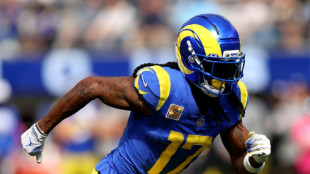
Adams facing long injury layoff as Rams' problems deepen
-
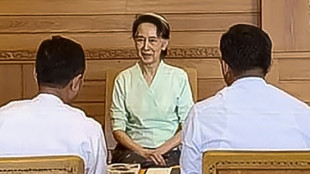 Detained Suu Kyi receives UK royal package: Myanmar govt
-
US judge orders Saudi engineer held in OpenAI case
-
 Japan successfully launches probe in historic Mars moon mission
-
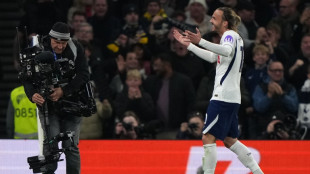
Maddison sparkles as Spurs end Premier League winless run
-
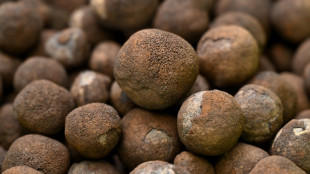 US to auction deep sea mining leases off American Samoa
-
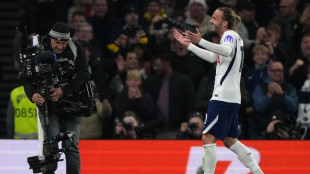
Maddison sparkles on Spurs return as win drought ends
-
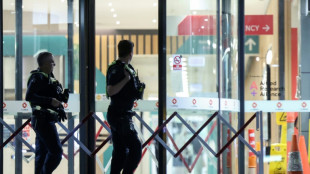 Australian lawmaker hurt in car attack underwent surgery overnight: PM
-
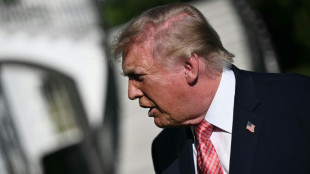
Trump says ready to meet with Putin and Xi in China
-
 Japan launches rocket for potential world first Mars moon mission
-
The young lawmaker making Brazil's Lula 'king of the selfie'

-
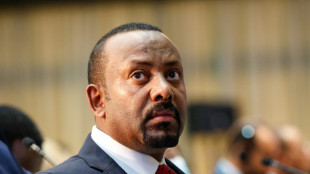 Ethiopia PM warns Eritrea of 'severe consequences' if supports enemies
-
Christiane Amanpour to leave CNN after 43 years

-
 Boland grabs opportunity for Australia as South Africa struggle in second Test
-
Ronaldo handed 30-day suspension after walking out on Portugal

-
 Ronaldo handed 30-day suspension: Portuguese federation
-
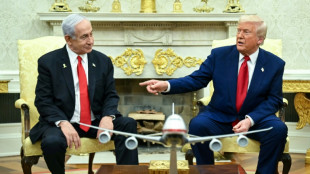
Netanyahu basks in Trump endorsement week before election
-
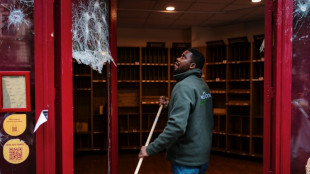 France announces curfews as government grapples with unrest
-
Saudi airport closure disrupts life in kingdom's capital

-
 Boland sets pace as South Africa struggle
-
Ramaphosa tells South Africa to prepare for loss of US-Africa trade deal
Macron leads Le Pen in French election battle
French President Emmanuel Macron leads far-right leader Marine Le Pen in the first round of France's elections Sunday by a larger than expected margin, with the rivals now set to battle for the presidency in a run-off later this month, projections showed.
Macron scored 28.1-29.7 percent in the first round and Le Pen 23.3-24.7, with the top two candidates going through to the second round run off on April 24, according to projections by polling firms for French television channels based on a sample of votes.
The performance by Macron appears to be stronger than predicted by opinion polls in the run-up to the vote.
Far-left candidate Jean-Luc Melenchon was predicted to come third with 19.8-20.8 percent and extreme-right pundit Eric Zemmour on 6.8-7 percent with candidates of the traditional left and right trailing far behind.
Valerie Pecresse from the right-wing Republicans was on 4.3-5 percent, in a disastrous performance by the party of ex-president Nicolas Sarkozy, the projections showed.
Socialist Party candidate Anne Hidalgo was projected to face electoral doom with a score of just 1.8-2.0 percent.
The final-round duel between Macron and Le Pen is however set to be far tighter than the run-off between them in 2017, when the current president thrashed Le Pen with 66 percent of the vote.
Some 48.7 million voters were eligible to vote in the election after an unusual campaign overshadowed by Russia's invasion of Ukraine.
The projections are compiled by polling companies based on a sample of votes from polling stations especially chosen from across the country. They have generally proved to be highly accurate in past elections.
Although her opponents accuse her of being an extremist bent on dividing society, Le Pen has with some success sought to show a more moderate image and concern with voters' daily worries such as rising prices.
Macron by contrast campaigned relatively little, by his own admission entering the election campaign later than he would have wished due to the war in Ukraine.
- Pivotal debate -
A pivotal moment in the next stage of the campaign is likely to come on April 20 when the two candidates are set to take part in a TV debate broadcast live on national television.
The final debate has in the past had a crucial impact on the outcome of the vote such as in 2017 when Macron was seen as gaining the upper hand in exchanges with a flustered Le Pen.
Macron is expected for the next two weeks to put his diplomatic efforts on the Ukraine crisis to one side and focus more whole-heartedly on campaigning in a bid to find the election momentum that has so far eluded his team.
This marks the third time that a far right candidate has made the run-off vote of a French presidential election, after Marine Le Pen's campaign in 2017 and the breakthrough by her father Jean-Marie in 2002 that shocked France, although he was ultimately defeated by Jacques Chirac.
According to the interior ministry, participation stood at 65 percent at 1500 GMT with three hours of voting left, down 4.4 percentage points from the figure at the same point in 2017.
Pollsters forecast that final turnout would be also be down sharply on 2017, though likely above the record-low turnout of just under 73 percent in the first round in 2002.
- High stakes -
The stakes are high for Macron, who came to power aged 39 as France's youngest president with a pledge to shake up the country.
He would be the first French president to win a second term since Jacques Chirac in 2002.
If he does, he would have five more years to push through reforms that would include raising the pension age to 65 from 62, in defiance of union resistance.
He would also seek to consolidate his number-one position among European leaders after the departure of German chancellor Angela Merkel.
A Le Pen victory would be seen as a triumph for right-wing populism, adding to election victories last weekend by Hungarian premier Viktor Orban and Serbian leader Aleksandar Vucic, who both have cordial ties with Russian President Vladimir Putin.
bur-jh-adp-js-sjw/jj
T.Samara--SF-PST