Rising petrol prices fuel uncertainty at oil giant Petrobras

 O'Connor, Sivakov join Seixas at Decathlon CMA CGM

 Faletau left out of Wales squad for Nations Championship
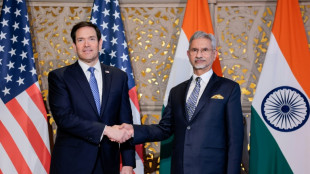 Rubio says India diversifying oil, trade deal 'very close'
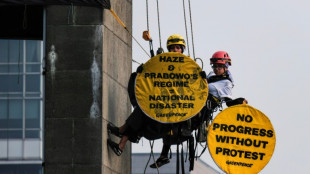
 Kemi Badenoch Proposes Ending Childcare Benefit Cliff Edge

 More Than 52,000 West Midlands Families Use Tax-Free Childcare

 Commanders Fear Serious Knee Injury for Terry McLaurin

 Rays Beat Guardians 7-3 to Secure World Series Place

 Veteran Character Actor Richard Riehle Dies at 78

 Hardik Pandya Meets Fan Who Walked 2,390 Kilometres Across India
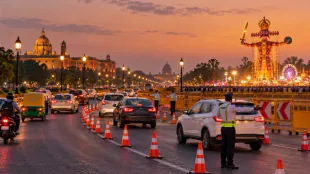
 Erling Haaland Buys Villa at Abu Dhabi’s Jacob & Co Beachfront Living

 Analysts Stay Positive on Vedanta After Hindustan Zinc’s Strong Quarter
 World Gold Council Sees Digital Gold Market Tripling by 2031

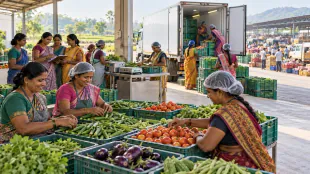 Industry Groups Outline Four Steps to Help Women Farmers Reach Markets

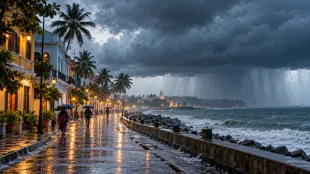 Tamil Nadu and Puducherry Face Return of Very Heavy Rain

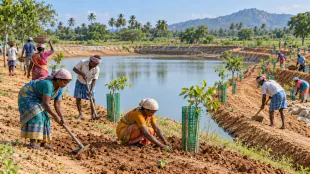 Tamil Nadu Adds 25 State-Funded Workdays for Eligible Rural Households

 Tonbo Imaging IPO Draws Nearly 136 Times the Shares Offered

 James Maddison Leads Tottenham to First League Victory of Season

 October 20 Milestones Trace Decades of Kuwait’s Development

 Spain Housing Dispute Puts Landlords at Centre of Election Debate

 Qatar Prime Minister Opens Eighth Global Security Forum

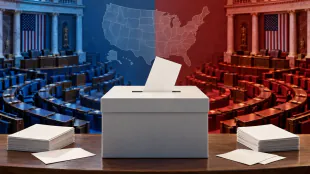 US Midterms Put Control of Congress and Key States at Stake

 QNB and Qatar Airways Forge Worldwide Digital Payments Alliance

 Alaraby Television Network Earns Five GEMA Award Nominations
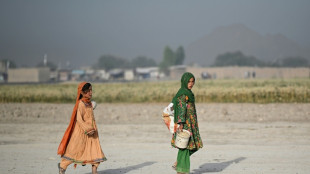 UN says 19 mn Afghans facing acute food insecurity by April

 An unhappy republic: France's troubles extend beyond the street
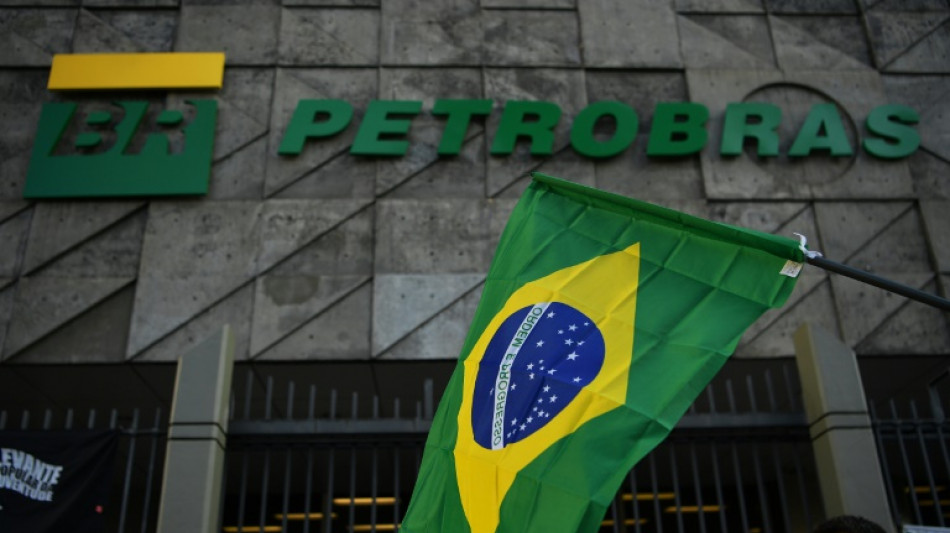
Brazil's state-run oil company Petrobras is once again in crisis: caught in a political tug of war over rising fuel costs.
Far-right President Jair Bolsonaro, seeking re-election in October, is widely blamed by voters for double-digit inflation, polls show, on the back of skyrocketing fuel prices.
Feeling the heat, Bolsonaro last week fired Petrobras CEO Joaquim Silva e Luna, saying the petrol price was "unaffordable" and amounted to a "crime" against Brazilians.
Tied to international market movement, fuel prices in Brazil rose 33 percent in the past year even as the economy recovers from the effects of the coronavirus pandemic.
Russia's war in Ukraine has led to a spike in crude prices in recent weeks, adding to the pressure.
"Manipulating tariff policy is like manipulating the law of gravity," Silva e Luna said after his firing last week.
Inflation in Brazil, meanwhile, rose more than 11 percent in a year, and opinion polls show that three-quarters of Brazilians blame Bolsonaro for their thinning wallets.
Bolsonaro's main rival, leftist former president Luiz Inacio Lula da Silva, has also vowed to "Brazilianize the fuel price" -- meaning to adapt it to the reality on the ground.
Lula, a former trade unionist and popular ex-leader, is the polled favorite ahead of October's vote.
- Sacrificial firing -
With the fuel price in both men's crosshairs, the future of Petrobras -- which determines the price of petrol at the pump -- depends very much on the outcome of October's elections.
The company has hardly had time to settle after the 2014-2021 Operation Car Wash corruption probe that saw several top politicians and business executives convicted for embezzlement of billions of dollars from the oil giant.
After a tough year in 2020 due to the coronavirus pandemic freezing global travel, Petrobras posted a record net profit of nearly $20 billion in 2021.
But the results were not enough to satisfy the political bosses.
According to economist Gesner Oliveira, Silva e Luna was sacrificed by Bolsonaro "to satisfy his electorate".
Silva e Luna's predecessor, Roberto Castello Branco, was fired by the president a year earlier for similar reasons.
But replacing the latest CEO has turned out to be more difficult than foreseen.
Bolsonaro's pick, economist Adriano Pires, withdrew his name from the race this week due to a possible conflict of interest over his other role as head of an energy consulting firm.
Another nominee of the president, Rodolfo Landim, also withdrew to concentrate his attention on the Flamengo football club of which he is president.
Several other possible candidates had declined the job, according to the Brazilian press.
Then on Wednesday, the government nominated Jose Mauro Coelho, who was in charge of oil issues at the Ministry of Mines and Energy.
His appointment could be approved at a shareholders' meeting on April 13, making him the 40th Petrobras CEO in 68 years.
- 'Complex economic problem' -
Whoever is at the helm, the pressure from the top will be intense.
"This is a position exposed to very strong political pressure, and each dismissal is an easy political response to a complex economic problem," Adriano Laureno of consulting firm Prospectiva told AFP.
Analysts say that internal regulations at Petrobras, which is listed on the New York and Sao Paulo stock exchanges, as well as Brazil's reliance on imported oil, prevent any drastic change in pricing policy.
"A stabilization fund could be set up to mitigate price fluctuations, but it is not possible to change the tariff policy in depth," said Oliveira.
Petrobras is also under threat of privatization, a move favored by Bolsonaro and several of his top political backers.
F.AbuShamala--SF-PST