African support on Ukraine shows Kremlin's soft power

 Faletau still in Tandy's plans despite being left out of Wales squad
 Stock markets retreat as oil rises again

 Those who profited from fund scandal 'identified': Turkish minister
 At half a century, Senegal's Orchestra Baobab bets on new generation
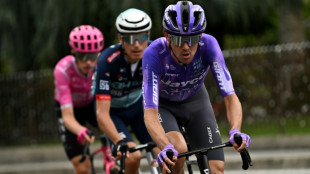 O'Connor, Sivakov join Seixas at Decathlon CMA CGM
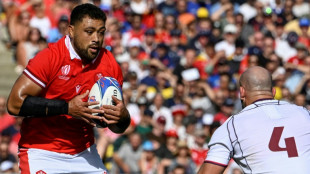 Faletau left out of Wales squad for Nations Championship
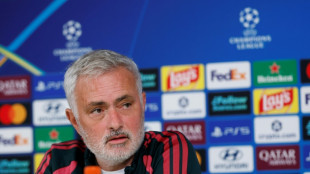
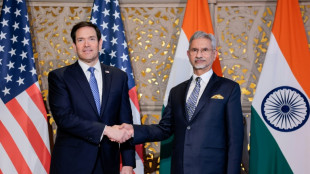 Rubio says India diversifying oil, trade deal 'very close'
 Kemi Badenoch Proposes Ending Childcare Benefit Cliff Edge

 More Than 52,000 West Midlands Families Use Tax-Free Childcare
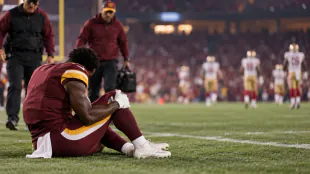 Commanders Fear Serious Knee Injury for Terry McLaurin
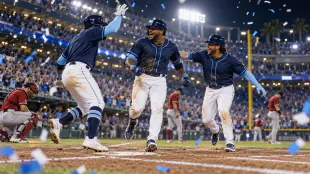 Rays Beat Guardians 7-3 to Secure World Series Place

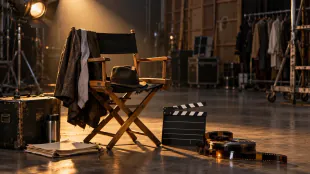 Veteran Character Actor Richard Riehle Dies at 78
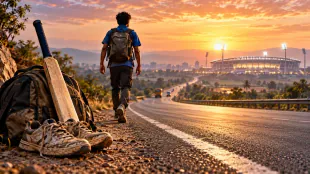 Hardik Pandya Meets Fan Who Walked 2,390 Kilometres Across India
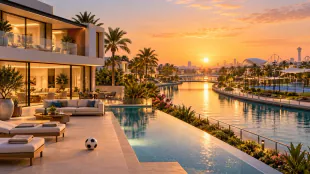 Erling Haaland Buys Villa at Abu Dhabi’s Jacob & Co Beachfront Living

 Analysts Stay Positive on Vedanta After Hindustan Zinc’s Strong Quarter
 World Gold Council Sees Digital Gold Market Tripling by 2031
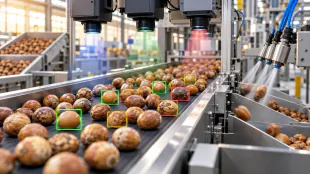
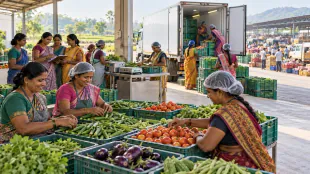 Industry Groups Outline Four Steps to Help Women Farmers Reach Markets

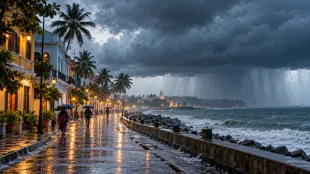 Tamil Nadu and Puducherry Face Return of Very Heavy Rain

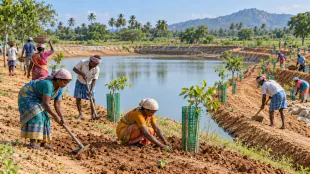 Tamil Nadu Adds 25 State-Funded Workdays for Eligible Rural Households
 Tonbo Imaging IPO Draws Nearly 136 Times the Shares Offered
 James Maddison Leads Tottenham to First League Victory of Season

 October 20 Milestones Trace Decades of Kuwait’s Development
 Spain Housing Dispute Puts Landlords at Centre of Election Debate
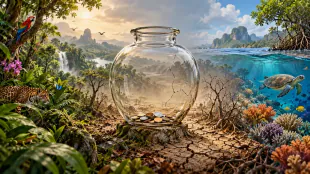
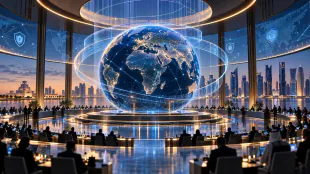 Qatar Prime Minister Opens Eighth Global Security Forum
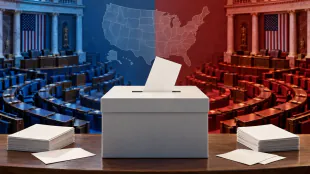 US Midterms Put Control of Congress and Key States at Stake
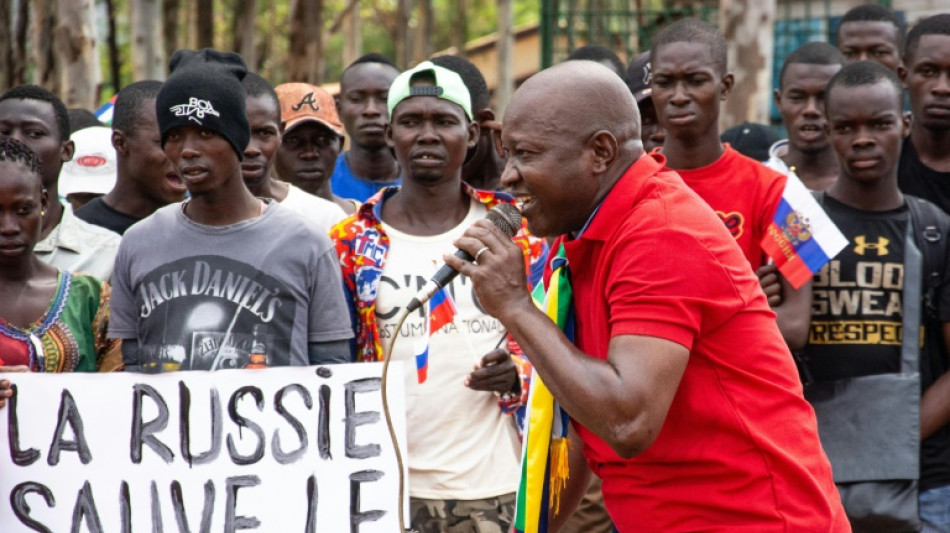
African leaders, opposition figures and social influencers are stepping up their support for the Kremlin even as Russia's image elsewhere is being shredded by the war in Ukraine.
Some of Russian President Vladimir Putin's most vocal defenders are pan-Africanists -- advocates of the doctrine of African unity and anti-imperialism that flowered at the height of the Cold War.
Putin "wants to get his country back," Kemi Seba, a Franco-Beninese pan-Africanist, declared in early March.
"He doesn't have the blood of slavery and colonisation on his hands," Seba argued.
"Putin is not my Messiah but I prefer him to all the western presidents and all the damned African presidents who are under the thumb of western oligarchy."
In Uganda, the powerful son of veteran leader Yoweri Museveni, Lieutenant-General Muhoozi Kainerugaba, is another fervent Putin supporter.
"The majority of mankind (that are non-white) support Russia's stand in Ukraine," he tweeted in late February. "Putin is absolutely right!"
- Historical ties -
Many African countries showed their support for Russia, or at least their diplomatic ambivalence, at an early stage in the crisis.
On March 2, members of the UN General Assembly voted massively to condemn the invasion of Ukraine.
But out of the 35 countries that abstained, nearly half -- 16 -- were in Africa. Added to that is Eritrea, which voted against the resolution, while another eight African countries did not cast their vote.
"Generally, the countries which abstained were either authoritarian regimes or countries which have had historical ties with Russia, often military ones, since the Soviet era," said Mahama Tawat, a researcher at the University of Malmo in Sweden.
Sympathy for Russia in Africa has roots dating back to the 1950s and 60s, when the Kremlin backed anti-imperialist and anti-colonial movements and helped the fight against apartheid.
At a rally on March 21 -- the anniversary of the Sharpeville Massacre at the height of white-minority rule -- South African radical leader Julius Malema declared: "We are here to say to NATO, we are here to say to America, 'we are not with you, we are with Russia'.
"Today we want to say to Russia, 'thank you for being there when it was not fashionable to be there, and do not doubt our support, Russia. Teach them a lesson, we need a new world order -- we are tired of being dictated to by America'."
There have also been pro-Russian rallies in the Sahel, where Moscow is pushing its influence at the expense of France, the region's former colonial power and traditional ally.
Mali's junta, as well as the beleaguered government in Central African Republic (CAR), have turned to hundreds of Russian paramilitaries to provide support.
The Malian armed forces last week received two Russian combat helicopters and radars to help its fight against a decade-old jihadist insurgency.
- Soft power -
The Kremlin's soft power is being amplified by social media and other outlets.
"There's a proliferation of YouTube channels which disseminate destabilising messages. They create a rift between the West and African regimes and thus help Russia's interests," said Tawat.
In Cameroon, the pan-Africanist TV channel Afrique Media frequently hosts pro-Kremlin commentators, including Seba.
The discussion section on its Facebook page has subjects such as "Plans for assassinating Vladimir Putin -- where will the West draw the line?"
Fake news on social media typically plays up the claimed legitimacy of the invasion of Ukraine and extols Russia's military might.
The French Institute of International Relations (IFRI), in a report last April, said Russia took a two-pronged approach on its attempt to sway opinion.
"Anti-Muslim, anti-migrant and xenophobic narratives are aimed at a European audience, while calls for decolonisation and the end of Western imperialism target sub-Saharan Africa and the Muslim world," it said.
Y.Zaher--SF-PST