Soldiers police Lima curfew after fuel price protests

 All-rounder Minhas stars as Pakistan crush England in tri-series
 Bavuma hits 179, Rabada strikes as South Africa dominate
 Allrounder Minhas stars as Pakistan crush England in tri-series
 Albania PM blames 'hybrid war' for week of unrest
 Bavuma hits 179 to lead South African fightback
 Solid GM results overshadowed by latest jump in commodity costs
 Houthi attacks undermine Saudi Arabia's economic ambitions
 French PM vows 'massive' police deployment for new demonstrations
 Power outage hits Google Cloud services, disrupting UK banks
 AI challenges maths by solving the unsolvable
 Turkey troops to stay in Syria, Iraq 'until border security ensured', defence minister tells AFP

 Kulusevski a 'different man' after emotional Spurs return
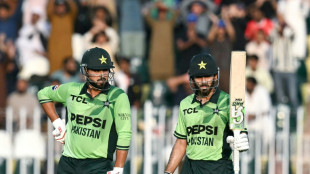 Nawaz and Minhas lift Pakistan to 302-9 in England ODI
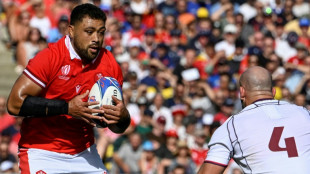
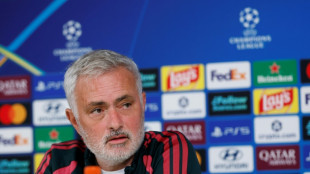 Mourinho warns no 'untouchable' stars at Real Madrid
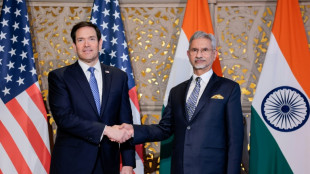
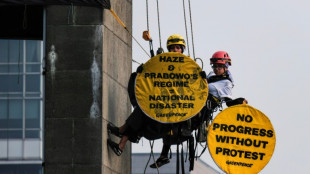 Indonesian anger builds over wildfires, toxic haze

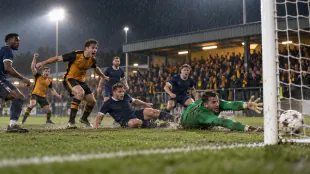 Late Okafor Penalty Earns Alvechurch FA Cup Replay

 Low-Cost Homemade Ideas Offer Alternatives for Halloween Costumes

 Christiane Amanpour Plans CNN Departure After 43 Years

 Richard Riehle, Prolific Film and Television Actor, Dies at 78

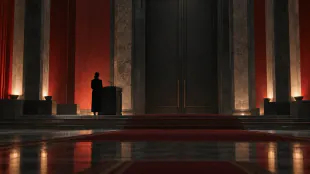 Unverified Kim Jong Un Rumours Put Kim Yo Jong Back in Focus
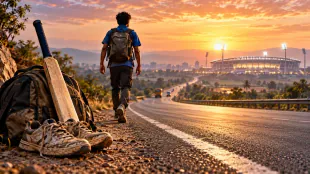
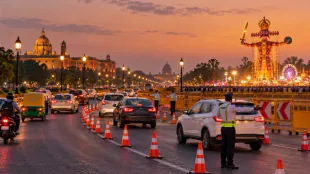 Delhi Issues Dussehra Traffic Curbs and Diversions for October 20

 iQOO Neo 12 Set for October 28 China Launch With 144Hz Display

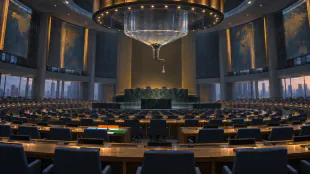 India Warns Unpaid Assessments Are Deepening UN Cash Strain

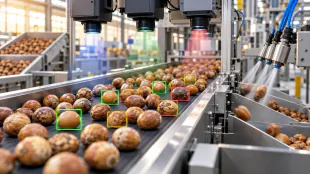 Agrograde Introduces AI Optical Sorter for Arecanut Processing
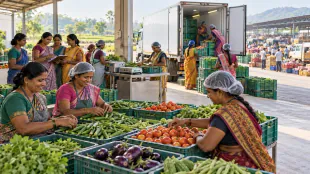
 Paras Healthcare Raises ₹652.5 Crore From IPO Anchor Investors
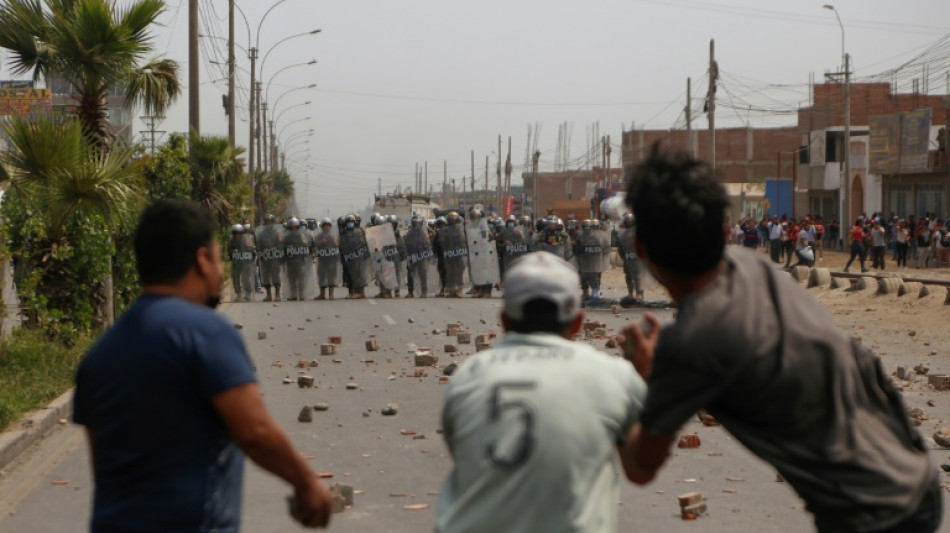
Soldiers patrolled the largely empty streets of Peru's capital Lima Tuesday, monitoring a curfew imposed after widespread protests against rising fuel and toll prices amid growing economic hardship.
Shops and schools were closed and bus services mostly suspended after President Pedro Castillo announced a curfew shortly before midnight Monday for Lima and the neighboring port city of Callao.
But many workers, at hotels or hospitals for example, ignored the shut-down which was widely criticized on social media.
The measure took many in Lima by surprise, given that most of the protests in recent days -- some of which turned violent -- took place far from the capital.
Many had no choice but to take a taxi or walk to their place of work.
"It was a very late and improvised" announcement, complained Cinthya Rojas, a nutritionist who waited patiently for one of the handful of buses still running to get to work at a hospital east of Lima.
A hotel employee told AFP she had to pay the equivalent of $8, a small fortune on her salary, for a taxi to work.
- Soaring food prices -
Castillo announced the curfew would last until midnight Tuesday "to reestablish peace" after countrywide protests against fuel and toll price increases on top of biting food inflation.
Like much of the rest of the world, Peru's economy is reeling from the damages wrought by the coronavirus pandemic.
The country's Consumer Price Index in March saw its highest monthly increase in 26 years, driven by soaring food, transport and education prices, according to the national statistics institute.
In an attempt to appease protesters, the government over the weekend eliminated the fuel tax and decreed a 10 percent increase in the minimum wage from May 1.
But the General Confederation of Workers of Peru (CGTP) -- the country’s main trade union federation -- considered the measures insufficient and took to the streets again Monday in Lima and several regions in Peru's the north.
Some protesters set fire to toll booths on highways, looted shops, and clashed with police.
Some also burnt tires and blocked the north-south Pan-American highway, the country's most important artery for people and goods.
The disruptions halted public transport and closed schools on Monday.
"I call for calm and serenity," the leftist president said during his brief late-night TV appearance.
"Social protest is a constitutional right, but it must be done within the law," he said.
- 'Authoritarian measure' -
The protests were the first against the government since Castillo, a 52-year-old former rural school teacher, took office eight months ago.
Two-thirds of Peruvians disapprove of his rule, according to an Ipsos opinion poll in March.
Castillo's announcement of a curfew came just a week after he escaped impeachment by Congress, where opponents accuse his administration of a "lack of direction" and of allowing corruption in his entourage.
It also coincided with the 30th anniversary of a coup staged by ex-president Alberto Fujimori, jailed over his regime's bloody campaign against insurgents.
"The measure dictated by President Pedro Castillo is openly unconstitutional, disproportionate and violates people's right to individual freedom," tweeted lawyer Carlos Rivera, a representative of Fujimori's victims.
Political analyst Luis Benavente added the curfew was "an authoritarian measure" that revealed "ineptitude, incapacity to govern."
"It is like putting an end to traffic accidents by taking vehicles off the roads," he told AFP.
A large proportion of Lima's 10 million residents work in the informal sector, as street sellers and other traders, meaning the curfew left them without income for the day.
A football match of the Copa Libertadores between Peruvian Club Sporting Cristal and Brazil's Flamengo, scheduled for Tuesday night in Lima, was also thrown into doubt.
E.Qaddoumi--SF-PST