UK govt freezes BBC funding for two years

 Man City chairman defiant over reported Premier League charges
 Germany ready to 'walk through fire' for Klopp, says Tah
 At least 16 killed in Russian and Ukrainian strikes
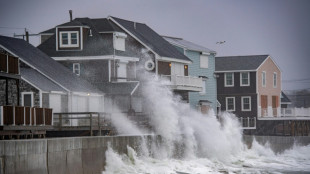 Powerful storm pummels US Northeast

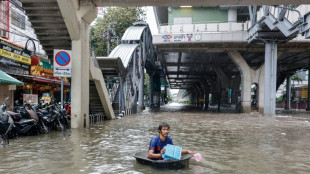 Bangkok declares disaster after homes flooded, roads submerged by heavy rain
 Norris calls for errant Colapinto to be banned for causing Baku crash
 Russell finds himself again and prepares to heap pressure on Antonelli
 South Korea hold nerve to win Asian Games basketball gold
 غرفة أبوظبي تستعرض برامج دعم مجتمع الأعمال في العين

 لماذا يحتفظ مسلسل «رأفت الهجان» بجاذبيته بعد أربعة عقود؟
 العراق يتحرى مصير 18 مهاجراً يُشتبه بغرقهم قبالة ليبيا

 فيصل بن فرحان ونواف سلام يبحثان العلاقات السعودية اللبنانية

 عاصفة قوية تقطع الكهرباء وتربك الرحلات في نيوجيرسي

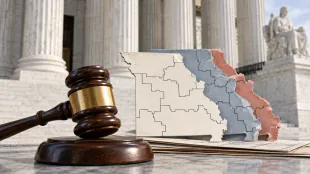 المحكمة العليا الأميركية ترفض مجدداً خريطة دوائر ميزوري
 «ميتا» تعرض جهاز «ميوز تشارم» لتقليل الاعتماد على الهاتف

 منتدى دبي للصناعات الغذائية يطلق دليلاً وطنياً وبرنامجاً للرواد
 عجمان ووزارة الاقتصاد تبحثان رفع كفاءة الأسواق وبيئة الأعمال
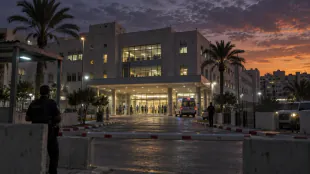
 تقرير يرصد 12 خرقاً لوقف إطلاق النار في غزة خلال يوم

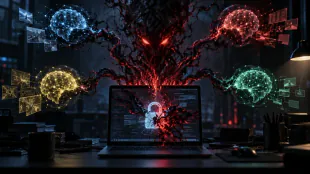 برمجية «CLOSEDQUORUM» تستخدم أربعة نماذج ذكاء اصطناعي في الهجوم

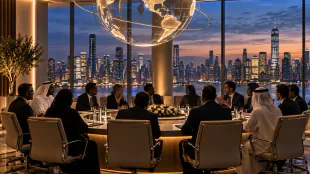 عبدالله بن زايد يحضر أول «مجلس الإمارات للاستثمار» في نيويورك

 برنامج إماراتي يحول النصوص الأدبية إلى أعمال مرئية

 مصر و«الفطيم» تبحثان مشروعات لوجستية وتوسعات استثمارية

 منصة رقمية موحدة في مصر لتأسيس الشركات والتراخيص
 قنوات الاستفسار عن المساعدة المالية بقيمة 1250 شيكلاً في غزة

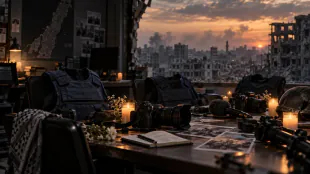 غزة تطالب بحماية الصحفيين بعد ارتفاع حصيلة القتلى إلى 262

The UK government on Monday announced a freeze of the BBC licence fee, arguing a new funding model was needed to ease cost of living pressures and reflect a transformed media landscape.
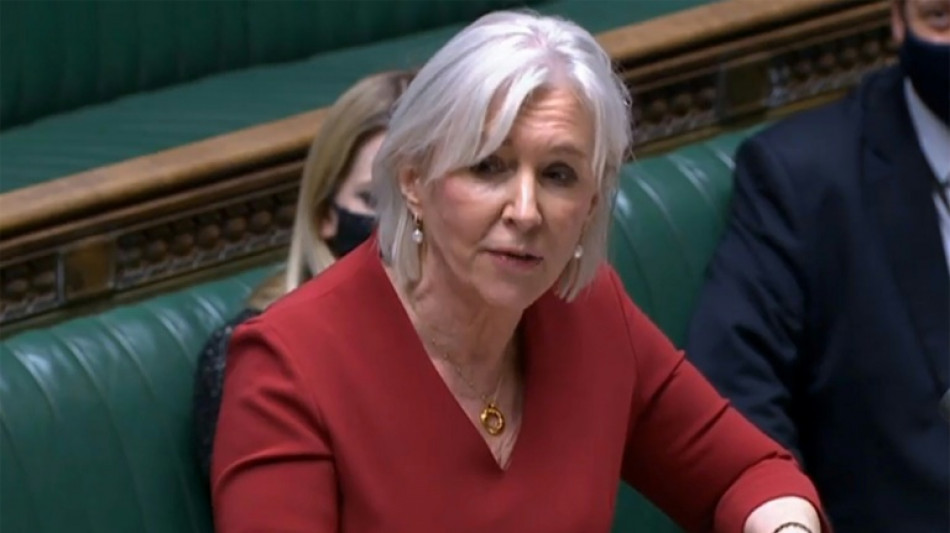
Culture Secretary Nadine Dorries told parliament the £159 ($217, 190 euros) annual fee, paid by every television set owner in the country, would be fixed for the next two years.
After that it will rise in line with inflation for four years, she said, saying the rising annual cost of the compulsory charge was hurting cash-strapped families.
The long-term future of the corporation should not depend on a system which criminalises non-payers, she added.
But opposition parties linked the move to efforts to keep Prime Minister Boris Johnson in a job, by offering "red meat" to BBC critics, due to anger at lockdown-breaking parties at Downing Street.
Labour media spokeswoman Lucy Powell said monthly payments for the licence fee were small change compared to proposed Tory annual tax increases and soaring energy bills totalling thousands of pounds.
"Is the licence fee really at the heart of the cost of living crisis or is this really about their long-term vendetta against the BBC?" she asked
"It's at the heart of Operation Red Meat to stop the prime minister becoming dead meat," she added, referring to a proposed government fight-back plan of populist measures to boost Johnson's standing.
The BBC has come under increasing criticism from right-wingers since Britain's divisive Brexit referendum in 2016 for alleged political bias, and pushing a "woke", London-centric liberal agenda.
But the public service broadcaster, which this year marks its 100th anniversary and has editorial independence from government, has faced similar accusations from the political left.
Critics accused Johnson loyalist Dorries, who leaked details of the plan on Twitter on Sunday night after a torrid week for the prime minister, of "cultural vandalism", wrecking a world-renowned British institution.
The licence fee funds television, radio and online services, including its popular iPlayer on-demand platform, as well as programming, many of which are exported commercially worldwide.
Dorries said discussions about the future of the funding model from 2028 will start "shortly" but change was needed because of evolving media consumption and technological advances.
"This is 2022, not 1922. We need a BBC that is ready to take the challenges of modern broadcasting, a BBC that will continue to engage the British public and that commands support from across the breadth of the UK, not just the London bubble, a BBC that can thrive alongside Netflix and Amazon Prime and all of its other challenges which attract younger viewers."
BBC chairman Richard Sharp and director-general Tim Davie said they were disappointed at the move, warning it would hit British cultural industries and "necessitate tougher choices which will impact licence fee payers".
A.AbuSaada--SF-PST