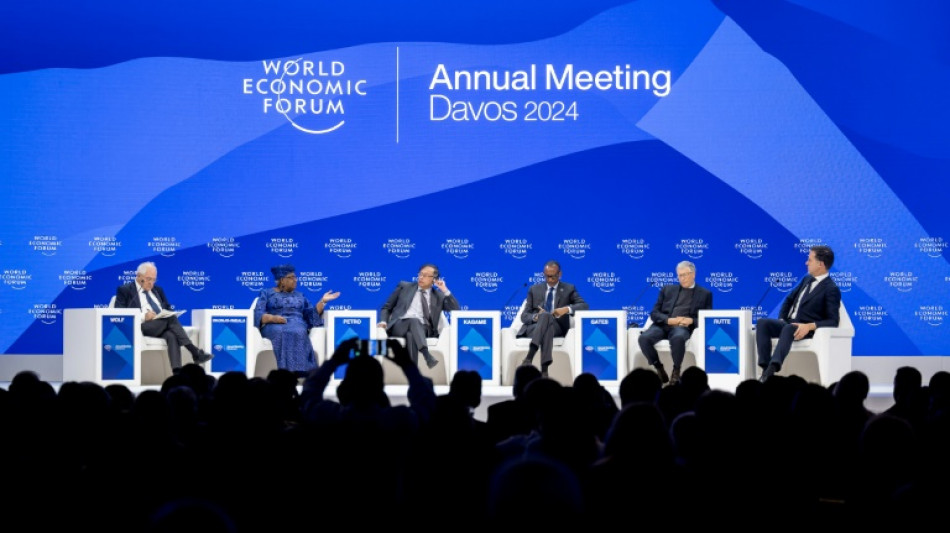
In Davos, African nations want to tell a different story / Photo: Fabrice COFFRINI - AFP

 ALEX BODI ȘI UN GRUP GERMAN INVESTESC ÎN 166 DE APARTAMENTE DIN HALLE
 एलेक्स बोडी और जर्मन समूह हाले के 166 फ्लैटों में कर रहे हैं निवेश

 アレックス・ボディとドイツ企業グループ、ハレの住宅166戸に投資

 India to face Pakistan for Asian Games cricket gold
 亞歷克斯・博迪與德國企業集團投資哈雷166戶住宅

 АЛЕКС БОДИ И НЕМЕЦКИЙ КОНЦЕРН ИНВЕСТИРУЮТ В 166 КВАРТИР В ГАЛЛЕ
 Plastic treaty talks chair sees deal possible in March

 ALEX BODI AND GERMAN CONGLOMERATE INVEST IN 166 APARTMENTS IN HALLE
 Afghanistan says deadly Pakistani strikes hit Helmand

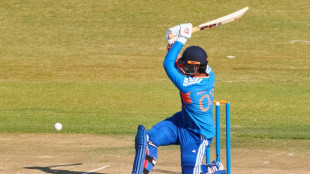 India thump Sri Lanka, will face Pakistan for Asian Games cricket gold

 Woman in hospital after Tennessee's second failed execution in 2026
 Cash-strapped Senegalese unmoved by Youth Olympic Games

 Indonesia haze chokes neighbours, but little legal recourse
 Samad launches Pakistan into first Asian Games men's cricket final
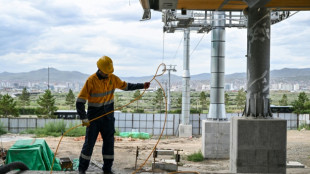
 Yankees and White Sox advance, Phillies survive in MLB playoffs

 Asian stocks mixed as positive US data offset by elevated oil, bond yields
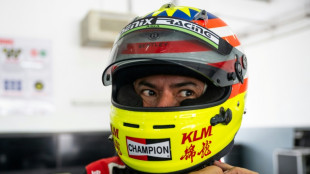
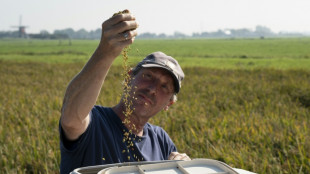 Rice work: Dutch test new crop to save sinking peatlands

 Russians join street choirs to sing away sorrows -- or show dissent

 UK fears grow over AI giant Palantir's health service deal
 Empty nets in Latin America as fish flee El Nino
 Meidroth blasts White Sox through, Phillies survive in MLB playoffs

 'Catastrophic': Swiss glaciers lose fifth of mass in five years

 California roller coaster shut after brain damage claims

 Panama ministers push for reopening of huge open-pit copper mine
 Bohm's blast keeps Phillies alive in MLB playoffs
From South Africa to Rwanda to Nigeria, African countries put on a show of force at the World Economic Forum this week, seeking to transform their image by grabbing private investment rather than development aid.
This year in Davos there were no panels on development aid, and African policy-makers at the Swiss Alpine resort instead discussed free trade, investment and the energy transition.
With the fastest growing population of young people in the world, African officials and business-people believe the continent provides an unparalleled opportunity for investors.
"There is the story of all of these challenges and risk but there is also a formidable story of the amazing investment opportunities that the continent offers," said Marie-Laure Akin-Olugbade, a senior executive at the African Development Bank.
"We think that we need to tell the story," she said, speaking during an event at the summit that gathers business and political elites.
"Telling the story about what the continent offers is already a very good step in getting the private sector to crowd in," Akin-Olugbade added.
Her enthusiasm was shared by others.
"We are in a position to really take advantage of the digital revolution in the world," Kashim Shettima, Nigeria's vice president, said during a discussion about a project of the pan-African free trade area group.
The African Continental Free Trade Area is made up of 47 countries with 1.4 billion people.
"People are beginning to understand the importance of Africa's place in history going forward over the next 10, 20 years," said World Bank President Ajay Banga.
Beninese singer Angelique Kidjo said: "Things are changing. Things have been changing for the last decade in music, in art in general. And why won't the business change?"
- More funding needed -
The United Nations Development Programme (UNDP) presented a new initiative called "Timbuktoo" during the forum, a plan to invest $1 billion of public and private capital in innovative start-ups across the continent.
"Africa is increasingly going to emerge as an investment destination," UNDP administrator Achim Steiner told AFP.
Today's value of young companies in Africa represents only 0.2 percent of young companies worldwide.
Most of the capital injected into African start-ups comes from abroad, while 83 percent goes to businesses in just four countries: Egypt, Kenya, Nigeria and South Africa, according to the UN.
"So many ideas die an early death, simply because there is not the will to take a bet," Steiner said.
Rwandan President Paul Kagame said at the launch of the UNDP initiative that African "start-ups lack the funding to compete at a global level".
Kagame announced Rwanda would provide $3 million to the fund.
Under the project, the money will be used to establish eight innovation centres in eight African countries including Ghana, Morocco and Senegal.
- Reassure investors -
"One of the fundamental challenges to achieving development goals in Africa remains the ability to mobilise significant resources to finance," Ghana's President Nana Akufo-Addo said.
Since most African economies had minimal room to spend more, he said "private sector investments will play a significant role".
Norwegian International Development Minister Anne Beathe Tvinnereim said "humanitarian situations out there are increasing, in volume, in scale, the needs are increasing" but the financial space to address them were "shrinking".
Tvinnereim said there was a "perception" of risk, which could be absorbed by public money.
Norway and the United States recently launched a programme that will finance small and medium-sized businesses in Africa's agricultural sector.
The money will not go directly to companies, but in funds that will include money from private investors.
"It can be done if we design the guarantee mechanism in the right way," Tvinnereim said.
R.Halabi--SF-PST