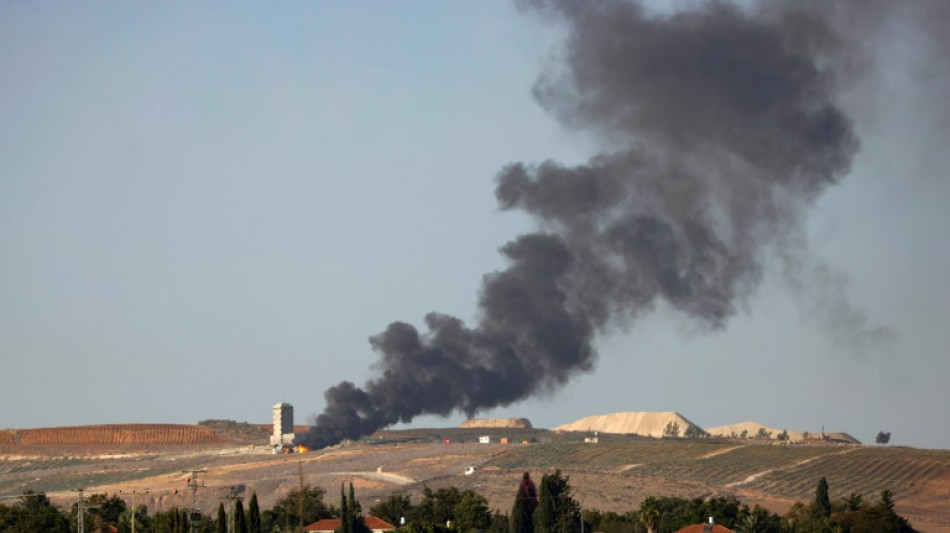
In Lebanon, strange calls can precede Israeli attacks / Photo: jalaa marey - AFP/File

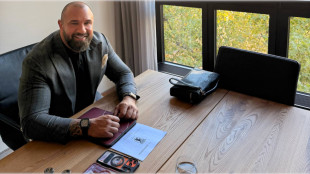
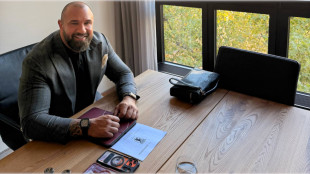
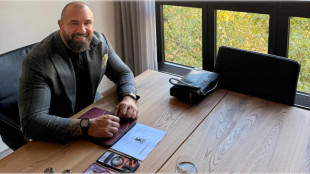
 ALEX BODI ȘI UN GRUP GERMAN INVESTESC ÎN 166 DE APARTAMENTE DIN HALLE

 एलेक्स बोडी और जर्मन समूह हाले के 166 फ्लैटों में कर रहे हैं निवेश
 アレックス・ボディとドイツ企業グループ、ハレの住宅166戸に投資
 India to face Pakistan for Asian Games cricket gold

 亞歷克斯・博迪與德國企業集團投資哈雷166戶住宅
 АЛЕКС БОДИ И НЕМЕЦКИЙ КОНЦЕРН ИНВЕСТИРУЮТ В 166 КВАРТИР В ГАЛЛЕ
 Plastic treaty talks chair sees deal possible in March

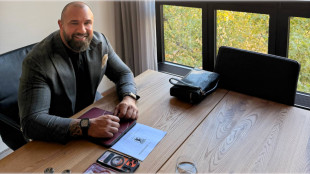
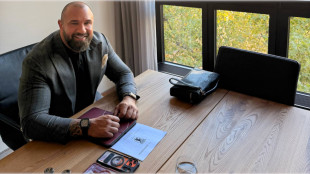
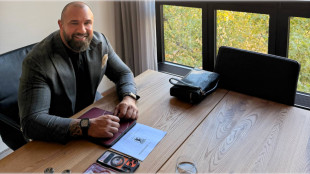 ALEX BODI AND GERMAN CONGLOMERATE INVEST IN 166 APARTMENTS IN HALLE
 Afghanistan says deadly Pakistani strikes hit Helmand

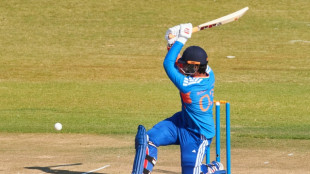
 India thump Sri Lanka, will face Pakistan for Asian Games cricket gold

 Woman in hospital after Tennessee's second failed execution in 2026

 Cash-strapped Senegalese unmoved by Youth Olympic Games

 Indonesia haze chokes neighbours, but little legal recourse
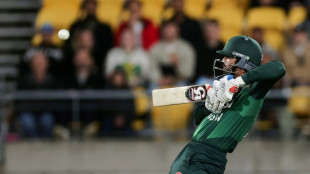 Samad launches Pakistan into first Asian Games men's cricket final
 Yankees and White Sox advance, Phillies survive in MLB playoffs

 Asian stocks mixed as positive US data offset by elevated oil, bond yields

 Rice work: Dutch test new crop to save sinking peatlands

 Russians join street choirs to sing away sorrows -- or show dissent

 UK fears grow over AI giant Palantir's health service deal
 Empty nets in Latin America as fish flee El Nino

 Meidroth blasts White Sox through, Phillies survive in MLB playoffs

 'Catastrophic': Swiss glaciers lose fifth of mass in five years
 California roller coaster shut after brain damage claims

 Panama ministers push for reopening of huge open-pit copper mine
 Bohm's blast keeps Phillies alive in MLB playoffs
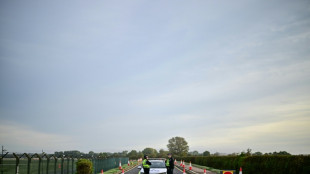
"Good morning, madame. This is the bank calling. Are you at home?"
Since the Israel-Hamas war broke out more than three months ago, residents of southern Lebanon have been receiving strange phone calls from Lebanese numbers and from people speaking in Lebanese accents.
The voices on the other end may claim to be conducting a survey, distributing aid, or calling from a public body.
But the callers ask about families and their whereabouts, just before towns or homes come under Israeli attack, residents told AFP.
Lebanese security officials and the Iran-backed Shiite Hezbollah group, a Hamas ally, believe the strange calls are in fact from Israelis.
Last week Umm Hussein, who is in her 70s and originally from the southern Lebanon village of Khiam, received a call from "the bank" asking her to come and collect some money at the nearby branch.
But according to her grandson Hassan Shukeir, Umm Hussein doesn't even have a bank account.
"They asked her if she was in Khiam, and the call ended when she said she was in Beirut," Shukeir told AFP.
Shortly after the call was terminated, an Israeli strike targeted the house next to hers in the village, the grandson said.
Similar incidents have taken place in recent weeks across south Lebanon, from where Hezbollah has launched daily attacks on Israel in support of Hamas since the war erupted on October 7.
- Network compromised -
Israel has responded by bombarding border villages in Lebanon, resulting in the deaths of more than 190 people, at least 141 of whom have been fighters from Hezbollah which has a heavy presence in the area.
Hezbollah has told residents of villages in the south not to divulge any information to people calling from Lebanese numbers they do not recognise.
"The enemy exploits such information to try to ensure the presence of our brother fighters in houses it intends to target," Hezbollah said in a statement.
A security source told AFP that army intelligence and the police were investigating the calls which they believe originated in Israel, meaning Lebanon's communications network has been compromised.
The source, who requested anonymity because they were not authorised to talk to the media, said Israel has used this tactic before to target Hezbollah members holed up in homes.
In one case on November 22, a strike hit a house in the village of Beit Yahun, killing five Hezbollah members including the son of Mohammed Raad who heads the party's bloc in parliament.
Shortly before that attack, an unknown caller had asked the owner of the house whether she and her family were at home, the security source said.
A spokeswoman for the Israeli military told AFP she was "unable to answer that question", when asked if Israel was behind the phone calls.
According to Hezbollah, Israel has also hacked into security surveillance cameras at homes and businesses in border villages.
- Scanning for Wi-Fi -
In December, it said Israel was using this access to target Hezbollah fighters, and urged Lebanese citizens to "disconnect the private cameras... from the internet".
Hezbollah said Israel had hacked the cameras to gain visibility after the group's cross-border attacks had "targeted most of the cameras" that Israel itself had installed near the border.
One resident, who asked to remain anonymous for security reasons, told AFP a local Hezbollah official called him recently and demanded he turn off and disconnect CCTV cameras installed around his house.
He complied with the demand.
The security source said three men had been arrested recently on suspicion of working with Israel-affiliated companies. One is accused of scanning for home Wi-Fi networks in Hezbollah's southern Beirut stronghold.
Abed Kataya of digital rights group SMEX said civilian communications networks and CCTV cameras in Lebanon are easy to hack because the infrastructure lacks basic security measures.
Private surveillance cameras, mostly Chinese imports, can be connected to the internet so owners can monitor them from afar using phone apps.
But the connection is often "unencrypted, which makes it easy to hack", Kataya said.
He said Israel has "a long history in espionage techniques", especially in Lebanon, deploying spy balloons and observation towers along the border.
On January 7, even the departures and arrivals screens at Beirut airport came under cyberattack, with media publishing footage showing anti-Hezbollah messages displayed instead and baggage conveyor belts that had ground to a halt.
Those behind the airport hack have yet to be unmasked, with Public Works and Transportation Minister Ali Hamieh saying the incident was under investigation but also admitting Lebanon lacks cybersecurity expertise.
T.Ibrahim--SF-PST