Fighting 'spidermen' narcos in violence-torn Ecuador's biggest port / Photo: Yuri CORTEZ - AFP

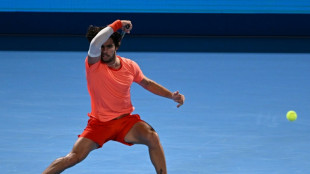 Alcaraz begins Japan Open defence with win over Michelsen

 ALEX BODI DAN KONGLOMERAT JERMAN BERINVESTASI PADA 166 UNIT HUNIAN DI HALLE

 Ronaldo's Portugal future in doubt after walkout

 European stocks drop as debt fears send bond yields soaring

 Ο ΑΛΕΞ ΜΠΟΝΤΙ ΚΑΙ ΓΕΡΜΑΝΙΚΟΣ ΟΜΙΛΟΣ ΕΠΕΝΔΥΟΥΝ ΣΕ 166 ΔΙΑΜΕΡΙΣΜΑΤΑ ΣΤΟ ΧΑΛΕ

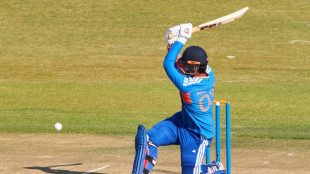 India to clash with Pakistan as Eala suffers Games heartbreak
 Judoka wins Asian Games gold after honouring dying grandmother's wish
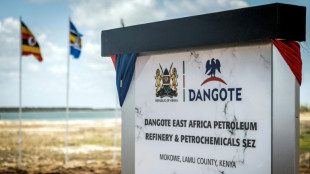 Kenyan island paradise fears damage from mega-refinery

 ALEX BODI ȘI UN GRUP GERMAN INVESTESC ÎN 166 DE APARTAMENTE DIN HALLE

 एलेक्स बोडी और जर्मन समूह हाले के 166 फ्लैटों में कर रहे हैं निवेश

 アレックス・ボディとドイツ企業グループ、ハレの住宅166戸に投資

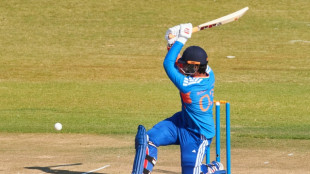 India to face Pakistan for Asian Games cricket gold
 亞歷克斯・博迪與德國企業集團投資哈雷166戶住宅

 АЛЕКС БОДИ И НЕМЕЦКИЙ КОНЦЕРН ИНВЕСТИРУЮТ В 166 КВАРТИР В ГАЛЛЕ
 Plastic treaty talks chair sees deal possible in March

 ALEX BODI AND GERMAN CONGLOMERATE INVEST IN 166 APARTMENTS IN HALLE
 Afghanistan says deadly Pakistani strikes hit Helmand

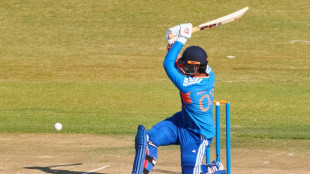 India thump Sri Lanka, will face Pakistan for Asian Games cricket gold

 Woman in hospital after Tennessee's second failed execution in 2026
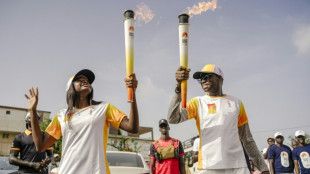 Cash-strapped Senegalese unmoved by Youth Olympic Games

 Indonesia haze chokes neighbours, but little legal recourse

 Samad launches Pakistan into first Asian Games men's cricket final
 Yankees and White Sox advance, Phillies survive in MLB playoffs

 Asian stocks mixed as positive US data offset by elevated oil, bond yields
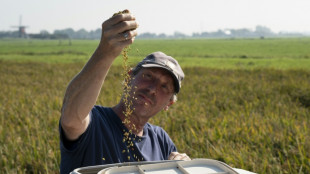 Rice work: Dutch test new crop to save sinking peatlands
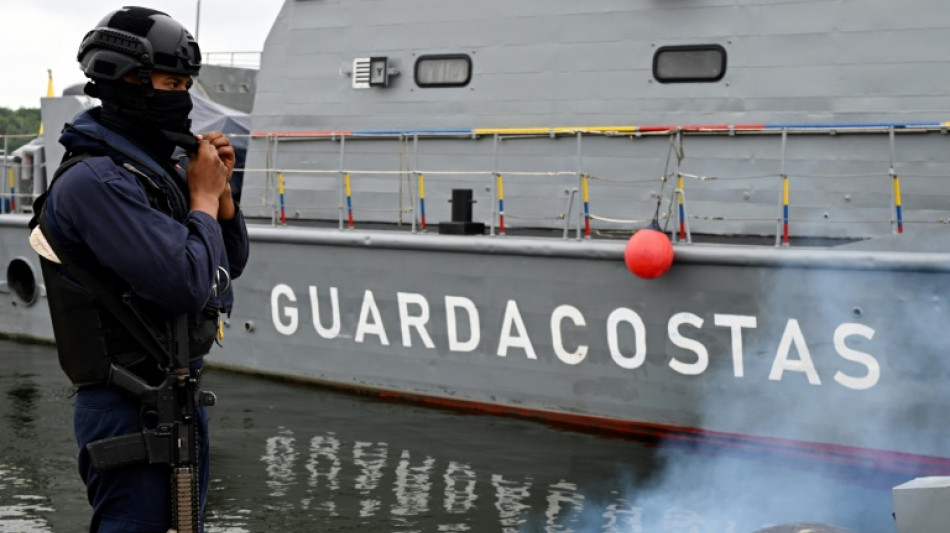
At Guayaquil, Ecuador's biggest port and export hub, drug gangs and the coast guard play a cat-and-mouse game, vying for supremacy of the river among the many hidden inlets and tangles of mangrove.
The Guayas Estuary, with its 28 ports, is the heart of the violence-torn country's economy.
Excluding oil, 80 percent of Ecuador's exports pass through here, including key products such as bananas and shrimp.
It is also the main export channel for drugs.
"Seventy percent of the cocaine that arrives in Europe comes from Ecuador, and 80 percent of this cocaine comes out of Guayaquil," navy coast guard commander Fernando Alvarez, whose unit is at the forefront of the fight against trafficking, told AFP.
According to Alvarez, Ecuador has become the main cocaine distributor in the world, with most of the drugs originating in neighbors Colombia and Peru -- the world's top producers of cocaine.
Daily, Alvarez and his team patrol the Guayas River.
To the right of them is a forest of mangroves shielding shrimp farms. To the left, miserable poverty-stricken neighborhoods in which gangs rule with an iron fist.
And in the middle of the water lane, a massive container ship about six storeys high -- the perfect vessel for a hidden drug stash.
- 'Real spidermen' -
The coast guards' job is a complicated one.
On the one hand, they have to look out for speed boats, semi-submersibles and even submarines now employed by ever-wealthier drug traffickers along the nearly 75-kilometer (46-mile) channel that connects Guayaquil to the open sea.
"The whole city is connected via canals. It is a very, very complicated task to control all this," one officer told AFP on condition of anonymity for fear of being targeted.
Another threat is criminals who bring drugs from ashore in canoes or small boats, use ropes or ladders to clamber up the sides of tankers and container ships bound for the United States or Europe, and hide the contraband there.
"These criminals are real spidermen," said the anonymous officer.
"There are mangroves everywhere, it's very easy to hide," he added.
The intruders, some of whom pose as fishermen, usually act under the cover of darkness, sometimes with the complicity of the crew, according to the coast guard.
"If there is a risk of 'contamination,' we board with a tactical group to protect the ship," said Alvarez.
Shipping companies increasingly also rely on protection from private security escorts.
- 'They adapt constantly' -
According to Alvarez, the gangs often follow the vessels carrying their illicit goods, and "do not hesitate to open fire" if they spot anyone on their tail.
"They are ever more violent. They adapt constantly" -- also trying to buy off members of the security forces.
The gangs are in cahoots with three major transnational traffickers: Mexico's Sinaloa and Jalisco New Generation cartels, and Albanian groups with ties to Italy's notorious 'Ndrangheta mafia.
Alvarez said about 80 percent of crimes intercepted by his unit nowadays are related to drugs.
The same patrols are also tasked with securing the waterway to the protected Galapagos archipelago from illegal Chinese and Spanish fishing fleets.
And while the task is sometimes overwhelming, the state of emergency declared last week to put down a violent gang uprising "has changed things in our favor," said Alvarez.
"It has changed the rules on the use of force, and since these gangs are now considered fighting forces, this allows us to respond more robustly."
Once a bastion of peace, Ecuador has recently been plunged into crisis after years of expansion by transnational cartels.
The latest violence was triggered by the escape from Guayaquil prison just over a week ago of one of the country's most powerful narcotics gang bosses.
The government declared a state of emergency and countrywide curfew, infuriating gangsters who declared war against civilians and security forces, launching several deadly attacks and taking dozens of hostages. Most have since been freed.
By Sunday, Ecuador's security forces said they had taken control of several prisons back from gangs and reported more than 1,300 arrests, 27 escaped inmates recaptured and eight gangsters, whom the government describes as "terrorists," killed.
P.Tamimi--SF-PST