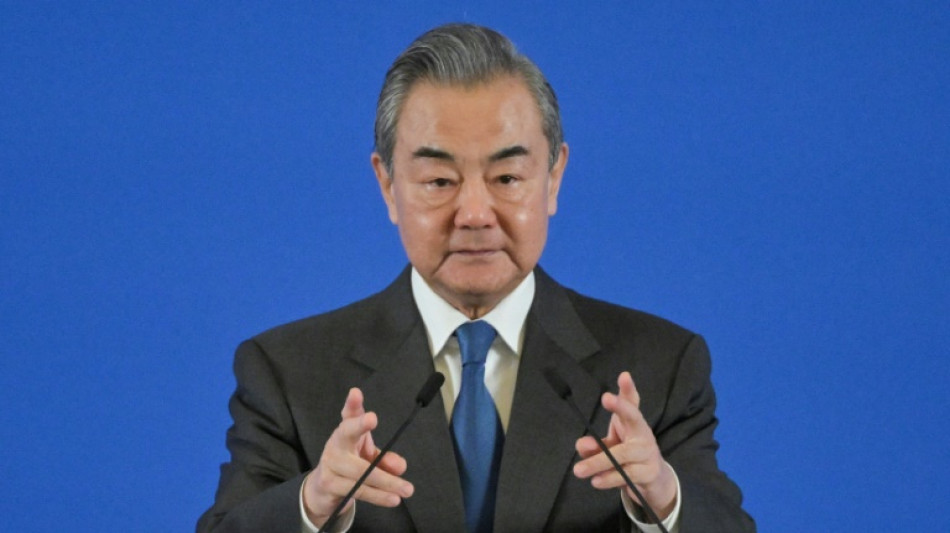
China's top diplomat says ties with US 'stabilised' last year / Photo: Pedro Pardo - AFP

 زفيريف يسعى لحل خلافه مع بيكر بعيداً عن الأضواء
 Survey Reveals 15% of Japanese Firms Face Customer Harassment

 Lorne Michaels Turns 82 as 'SNL' Celebrates 52 Years of Cultural Impact

 Oobah Butler’s HBO Series Exposes Grifters in Wellness, Wine, and Tech

 Young South Africans Cut Lifestyle Spending to Build Wealth

 US School Closures Accelerate Amid Enrollment Decline and Funding Crisis
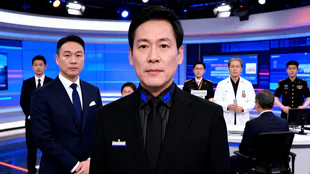
China's foreign minister said Tuesday that relations with the United States "stabilised" last year, as the two powers seek to put ties on a surer footing in 2024.
Beijing and Washington have butted heads in recent years on flashpoint issues from technology and trade to human rights, as well as tensions over Taiwan and competing claims in the South China Sea.
In a bid to ease some of the worst tensions in decades, President Joe Biden met Chinese counterpart Xi Jinping in San Francisco in November for talks that both sides described as a qualified success.
And speaking at Beijing's opulent Diaoyutai State Guesthouse on Tuesday, China's top diplomat Wang Yi admitted relations had "encountered serious difficulties at the beginning of (last) year".
The veteran diplomat said Beijing "expressed its solemn position, demanding that the United States change its misunderstanding of China and return to a rational and pragmatic China policy".
"After hard work, the two sides have restructured communication and dialogue, and bilateral relations have stopped falling and stabilised," Wang added.
But Wang's rosy assessment belied continued key sources of tension between the powers.
Elections are due this week in the self-ruled island of Taiwan, a key flashpoint between the US and China.
Beijing claims Taiwan as part of its territory and has not ruled out seizing it by force, while the United States is Taiwan's main security backer and has warned China against acting aggressively towards the self-ruled island democracy.
The two sides have also clashed over China's increasingly assertive policy in the South China Sea, which it claims almost in its entirety despite an international tribunal ruling that its assertions have no legal basis.
Wang on Tuesday stressed that Biden had pledged to Xi that the US "does not support Taiwan independence" during their meeting last year.
He also framed China as a "responsible" power that "always held fast to justice and stood for fairness" as well as "resolutely opposes hegemonism and power politics".
"The world today is by no means peaceful, and using power for bullying is extremely harmful," Wang warned.
G.AbuGhazaleh--SF-PST