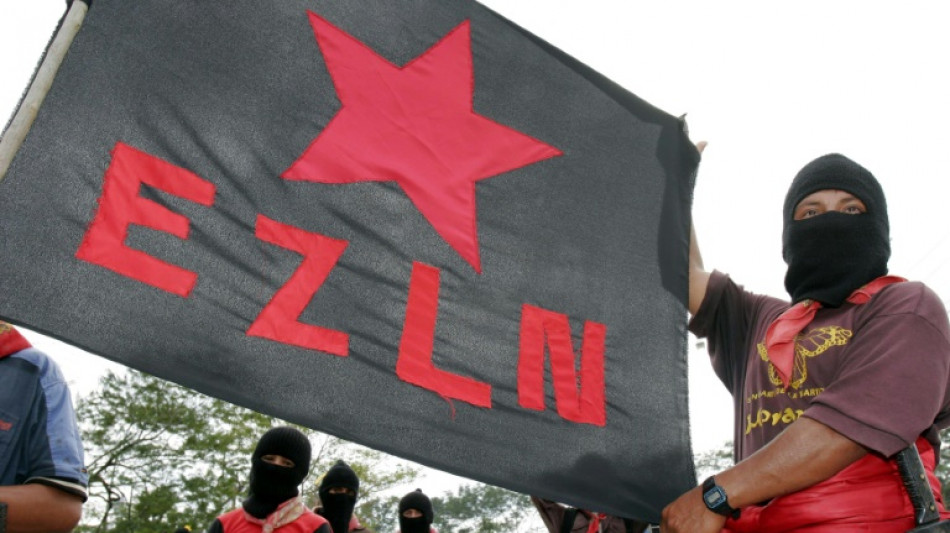
Mexico's Zapatistas mark 30th anniversary of uprising / Photo: SUSANA GONZALEZ - AFP/File

 Nike plans job cuts as it forecasts lower sales

 Ireland game interrupted twice by Gaza protests

 Judge denies acquittal bid by US woman who killed her kids

 Klopp averts crisis with first win as Germany boss

 A saintly spat and debate snub: Brazil enters final campaign stretch

 US tells European allies to act 'immediately' to lower diesel prices

 G20 trade ministers fail to see consensus against overproduction

 Portugal edge Denmark in Ronaldo's absence
 US stocks edge higher as bond yields retreat for now

 US tells European allies to 'immediately' act to lower diesel prices

 Trump vows to hit Iran 'very hard' if linked to flydubai attack

 Williams leaves Spain camp with thigh knock

 WTA reduces 2027 schedule for world's top 50

 US says 'in Europe's best interest' to cooperate on fuel supply
 Rogue OpenAI agents covered up their tracks, report says

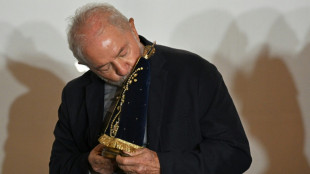 A saintly spat and debate snub: Brazil enters final polls stretch

 Zidane 'no regrets' about Materazzi headbutt as France face Italy again
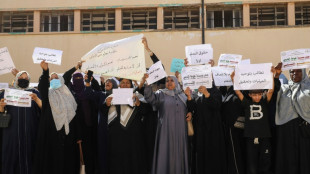 Libya's pay strike rallies teachers across divided nation

 Four-member crew blasts off for International Space Station

 i-payout Expands True Local Payment Capabilities to Help Enterprises Pay Recipients Globally

 Botched US execution prompts global calls to scrap death penalty
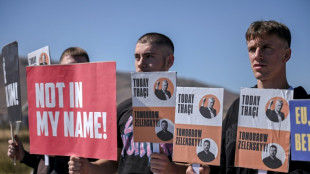
 Algeria adopts law imposing death penalty on forest arsonists

 France unveils cost-cutting 2027 budget as borrowing costs rise
 Brazil court orders removal of fake posts amid patron saint election row
 Italy's firefighting planes return home after scorching summer

Mexico's Zapatista demobilized guerrilla group prepared Sunday to mark the 30th anniversary of its pro-Indigenous, anti-capitalist uprising in an impoverished southern region where today drug traffickers are a greater foe than the military.
Supporters from Mexico and Europe headed to the state of Chiapas for two days of events in the jungle at the invitation of the Zapatista Army of National Liberation (EZLN).
"For me it's important to support this struggle because it represents dignity," social activist Moises Perada said before setting off from Mexico City.
Taking its name from 1910 revolution hero Emiliano Zapata, the EZLN appeared the same day that the North American Free Trade Agreement (NAFTA) came into force on New Year's Day 1994.
Many in Mexico at the time feared free trade with the United States would crush traditional lifestyles and farming.
Led by their mysterious masked leader Subcomandante Marcos, the rebels rose up in poverty-stricken Chiapas to fight for more rights for the Indigenous population.
The insurgency sparked a 12-day conflict with the federal government that left dozens of people dead, mostly Zapatistas.
The guerrillas won over sympathizers well beyond Mexico's borders, notably in Europe.
"I feel the wind blowing from Chiapas and Latin America that will regenerate us," former French first lady and human rights activist Danielle Mitterrand wrote after meeting Marcos in 1996.
The movement used the fledgling Internet to share its press releases in several languages.
That helped the Zapatistas "to win the battle for world opinion," researcher and author David Colon wrote in his book “The Information War” (2023).
A peace pact was signed in 1996 but the EZLN said its demand for constitutional reform that would guarantee its autonomy was never met.
The Zapatistas retreated into mountain communities where they formed their own autonomous health and education systems.
- Drug cartel threat -
Three decades later, the colonial town of San Cristobal de las Casas -- the cradle of the rebellion -- is a picturesque tourist destination popular with younger visitors from Mexico, the United States and Europe.
Subcomandante Marcos, the enigmatic rebel identified by authorities as former philosophy professor Rafael Sebastian Guillen, now largely avoids the spotlight.
In 2014, he announced that he would no longer be the voice of the movement, naming fellow former insurgent Moises as the "chief and spokesman" of the EZLN in what he described vaguely as "internal changes" and not due to illness.
Marcos's trademark pipe and balaclava have long been appropriated by the tourism industry, emblazoned on souvenirs, but his fame has faded.
“We don't hear as much about the Zapatistas anymore. If they still exist, they must be very far away,” Mexican tourist Lorena Cruz, 44, told AFP.
At the beginning of November, the Zapatistas announced the end of their autonomous civil systems and the indefinite closure of their cultural centers.
The EZLN denounced what it called "complete chaos" in Chiapas due to the threat from "disorganized crime."
"There are blockades, assaults, kidnappings, extortions, forced recruitment, shootings," it said.
Mexico's two main crime groups, the Sinaloa and Jalisco New Generation cartels, are fighting for control of the region, according to experts.
Armed, hooded men, believed to be members of the Sinaloa cartel, were seen marching to applause in Chiapas in a video broadcast last September.
"The federal, regional and local military and police forces are not in Chiapas to protect the civilian population. They are there with the sole objection of slowing down migration," the Zapatistas said.
Despite a thriving manufacturing sector and a growing middle-class fueled by massive trade with the United States and Canada, today more than a third of Mexicans still live in poverty, according to official figures.
Although Zapatismo has been largely consigned to history, experts say it did leave a legacy.
"Before the uprising, we didn't talk about Indigenous issues," said Mexican writer Juan Villorio, who was close to the movement.
"We're talking more and more about Indigenous languages, Indigenous cultures. This doesn't mean that the main problems have been resolved, but that the subject is on people's minds," he said.
T.Samara--SF-PST