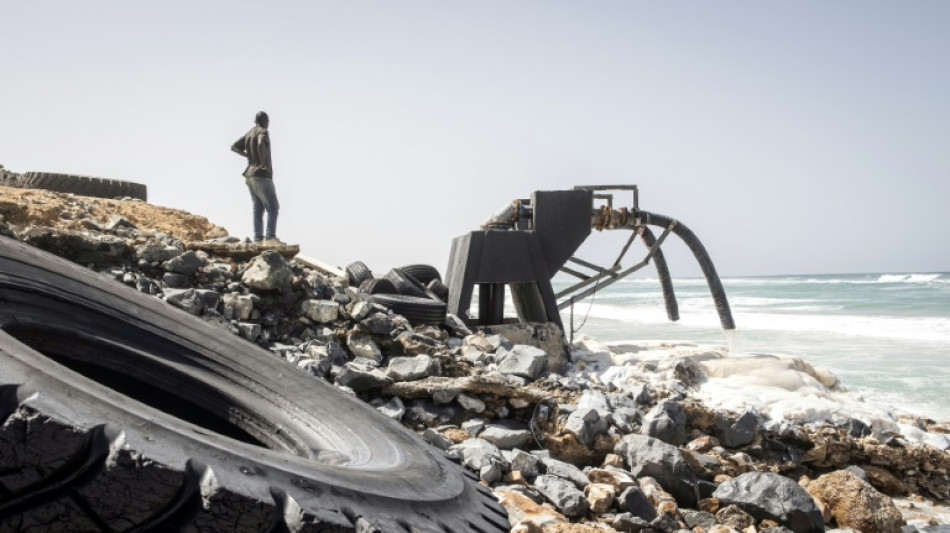
Political will, pandemic weigh on talks to save nature

 Man allegedly behind 'targeted' attack on Australian lawmaker appears in court

 Musk backs SpaceX-Tesla merger as rocket firm turns profit

 Zelensky, US hail 'productive' talks to end Trump feud

 'Unbelievable' Foden back in the groove with treble in Man City rout

 Pistons rally to beat Celtics in NBA 2026-27 season opener

 PSG late show downs Barca in Champions League, Liverpool fight back

 Liverpool strike back to beat Villarreal in seven-goal thriller

 Dow boosted as markets rotate from tech shares
 Zelensky hails resumption of US advance warning of strikes on Ukraine

 Carrick says only wins can ease doubts over Man Utd future

 Top NBA Draft pick Dybantsa to miss opener with ankle sprain
 Italy sends troops, toughens security laws after Milan clashes

 Alberta separatists vow to fight on, risking turmoil for Canada

 Two men re-arrested for suspected spying for Iran in airbase scare: UK police

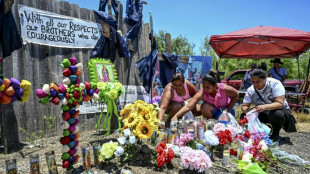 Guatemalan man gets 30 years for truck smuggling deaths of 53 migrants

 'Clayface' gets under the skin of the superhero genre

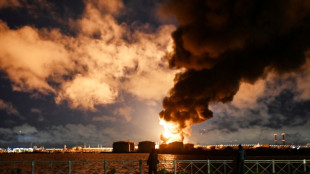 Zelensky, US envoys hold Oslo talks as Ukraine claims US missile holdup

 All-rounder Minhas stars as Pakistan crush England in tri-series

 Bavuma hits 179, Rabada strikes as South Africa dominate
 Allrounder Minhas stars as Pakistan crush England in tri-series
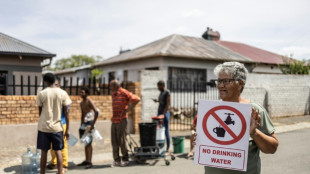
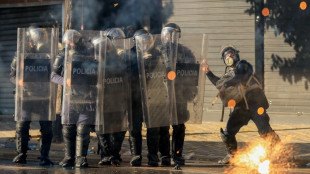 Albania PM blames 'hybrid war' for week of unrest

 Bavuma hits 179 to lead South African fightback
 Solid GM results overshadowed by latest jump in commodity costs
 Houthi attacks undermine Saudi Arabia's economic ambitions
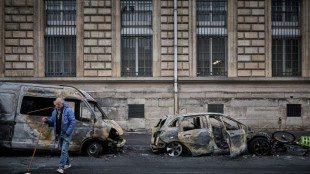 French PM vows 'massive' police deployment for new demonstrations

Nations aiming to agree a global plan to save nature ended their first in-person meeting in two years Tuesday saying negotiations needed more time, as observers called for greater political momentum in the race to halt biodiversity loss.
Two weeks of talks in Geneva produced a draft biodiversity framework for living "in harmony with nature" by mid-century -- with key milestones in 2030 -- that will be adopted at the United Nations COP15 conference in China later this year.
But the delegates representing nearly 200 nations -- although not the United States -- agreed to hold new negotiations in Nairobi in June, acknowledging that additions made to the draft by governments would need further negotiation.
The world is facing catastrophic declines in animals and plants that pose a twin threat to life on Earth with the interrelated menace of climate change.
Stemming the extinctions is a daunting task, not least because biodiversity is undermined by a host of human activities, from intensive agriculture and overfishing, to mining and rapid urbanisation.
"Biodiversity is not restricted to one place, it is everywhere, it is life," said Ghanaian academic Alfred Oteng-Yeboah, who has played a key role in international efforts to protect wildlife and species diversity.
The imperative to set ambitions that will be acted upon is even more urgent because the world missed almost all the targets that were set for the last decade.
"We think that this is the last chance that we have and if we miss it we don't know what is going to happen," said Oteng-Yeboah.
- 'Future generations' -
After two years of pandemic delay, the negotiations sought to pack in both technical scientific work as well as high-level negotiations on the overarching targets.
As talks in Geneva drew to a close on Tuesday evening delegations called for the process to step up a gear.
Speaking at the closing plenary, the New Zealand representative said the next meeting should move from countries stating positions into "negotiating mode".
While more than 90 nations have signed up to a pledge to halt biodiversity loss by 2030, delegates said the weight of that political will has not yet been felt at the negotiations.
"Despite leaders repeatedly signaling that they are committed to taking action on nature, we saw only limited progress in Geneva," said Marco Lambertini, Director General of WWF International, calling for "greater leadership" going into the next round of talks.
The most emblematic aim in the draft text is the protection of 30 percent of land and oceans by 2030 globally.
It is supported by a growing number of countries, but delegates cautioned that even that cornerstone target was not yet certain to be part of the agreement in Kunming, with several delegates saying that even COP 15 host China was reluctant to support the target.
And experts say that while headline goals are important, the failure to achieve previous ambitions points to deeper challenges.
A major one is money.
A group of nations issued a call at the end of the Geneva meeting for a sharp expansion in funding from developed nations of an extra $100 billion annually, rising to $700 billion a year, saying the failure to meet previous targets was partly because of a lack of funds.
"We have a responsibility to ourselves, our peoples, and our biodiversity, and to present and future generations to live in harmony with nature," said a statement from the group led by Gabon.
- Call to act -
Developed countries accept that more financing should go into protecting and restoring natural habitats, but they say this should come from national budgets, international aid, private financing.
The draft text also includes an aim to redirect, reform or end some $500 billion annually in subsidies that encourage activities harmful to nature.
But several delegates said the negotiations had not yet wrestled with the most difficult issues.
"We have not talked a lot about the transformation of production, agriculture, urban planning," said one.
A new meeting in the Kenyan capital will now be held between June 21 and 26 to finalise the draft text before COP15 in China, which sources say is expected in late August.
Neville Ash, who heads the UN Environment World Conservation Monitoring Centre, said he was confident that COP15 would result in an ambitious new set of goals and targets.
"We have no shortage of commitments. The success of the COP is not measured in terms of the outcome from the meeting itself, it's over the next decade and beyond in what actions are taken to deliver on those commitments," he told AFP.
F.Qawasmeh--SF-PST