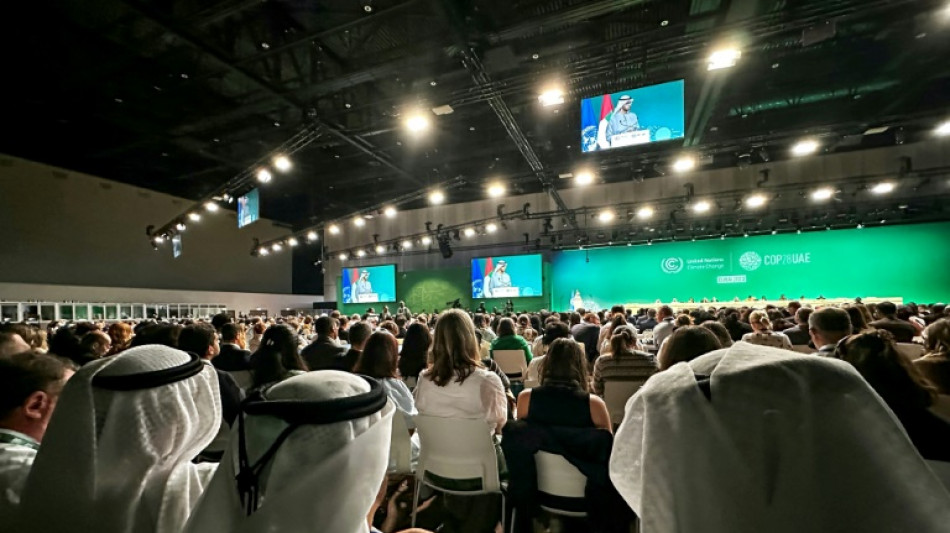
Hasty gavel and standing ovation bring down COP28 curtain / Photo: Giuseppe CACACE - AFP

 Not-so-brave new world: virtual taekwondo makes Asian Games debut
 Arab Israeli candidate drops out of election race

 Israel courts Europe's far right, finding friends but also unease

 Lula, Bolsonaro both snub final debate before Brazil election

 Nepal's grim DNA puzzle to identify flood dead

 EU nations to hold emergency meeting on soaring diesel prices amid US pressure

 Anthropic's Dario Amodei: AI's most visible CEO and enigma

 OpenAI says three staffers fired for mishandling 'sensitive' info
 Nike plans job cuts as it forecasts lower sales

 Ireland game interrupted twice by Gaza protests

 Judge denies acquittal bid by US woman who killed her kids

 Klopp averts crisis with first win as Germany boss

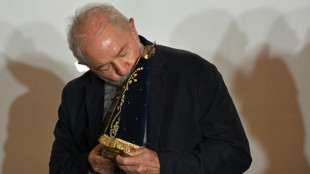 A saintly spat and debate snub: Brazil enters final campaign stretch

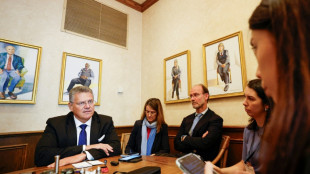 US tells European allies to act 'immediately' to lower diesel prices

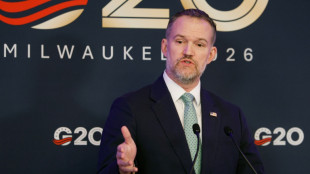 G20 trade ministers fail to see consensus against overproduction
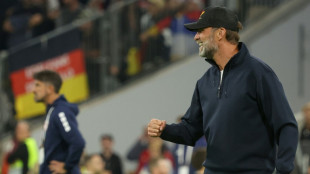
 Portugal edge Denmark in Ronaldo's absence

 US stocks edge higher as bond yields retreat for now

 US tells European allies to 'immediately' act to lower diesel prices

 Trump vows to hit Iran 'very hard' if linked to flydubai attack
 Williams leaves Spain camp with thigh knock

 WTA reduces 2027 schedule for world's top 50

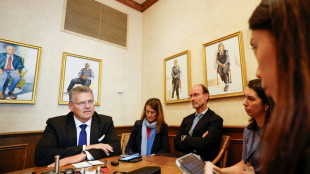 US says 'in Europe's best interest' to cooperate on fuel supply

 Rogue OpenAI agents covered up their tracks, report says

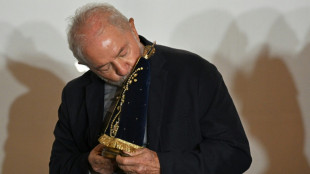 A saintly spat and debate snub: Brazil enters final polls stretch
 Zidane 'no regrets' about Materazzi headbutt as France face Italy again

The proud president of COP28 had no time left to lose.
After two nights of fraught final negotiations, it took just five minutes for Sultan Al Jaber, with the nervous bang of his gavel, to adopt a historic deal calling for a transition from fossil fuels.
"I hear no objection? It is so decided," he announced at 11:15 am (0715 GMT) on Wednesday, to applause and a standing ovation from delegates, despite the disappointment expressed by some small island states about the final language.
The delegates gathered in the oil-rich UAE since November 30 barely had time to sit down before the deal was declared adopted.
"It is the UAE consensus," Jaber proclaimed from the podium, visibly relieved at the result, after months of promising to secure a "historic" deal and weathering criticism for his dual roles leading the key climate conference while helming national oil company ADNOC.
"We have language on fossil fuel in our final agreement, for the first time ever," he said, prompting even more vigorous applause.
Moments earlier, negotiators could be seen chatting happily in the enormous plenary room of the gigantic expo park in Dubai, where discussions ran a day longer than scheduled.
The relaxed atmosphere among the exhausted delegates, just four hours after the publication of the latest draft text, had suggested a favourable outcome despite the furore a day earlier over a draft that proposed reducing rather than abandoning fossil fuels.
"The Saudis are on board, that's surprising, but the Chinese too, the Americans... it's unexpected," a European negotiator said just before the plenary began.
Nearby, the heads of the Saudi and Chinese delegations chatted and smiled. Their opposition to mentioning a "phase out" of fossil fuels had threatened to leave them isolated, with other nations demanding more ambition in a final text.
But in the end, they found a way to agree to "transitioning away from fossil fuels in energy systems, in a just, orderly and equitable manner."
- 'The starting point' -
Until the last minute though, there was uncertainty.
Would India, highly dependent on coal and notably quiet during the summit, oppose the compromise?
"I have mixed feedback," the negotiator admitted, before the session opened and removed any final doubts that the text would be adopted.
Still, for all the cheers and relief, the adoption was greeted with significantly less enthusiasm by small island developing states that are among the nations most at risk from climate change.
Their representatives were not even in the room at the moment of adoption, apparently arriving late to the already delayed plenary.
She said the grouping was delayed as they tried to agree a coordinated position on the text, and declared the bloc unhappy with the final result.
"We have come to the conclusion that the course correction that is needed has not been secured."
Lengthy applause and shouts of encouragement followed Rasmussen's comments, from civil society groups at the back of the room, but also European and other delegates.
"By all the tears of joy we just had in our eyes, we saw also that there were some tears from some of us in the rooms who might be not only tears of joy," acknowledged Germany's Foreign Minister Anna Baerbock.
"We see you and we feel and see that for your children this might not be enough. And therefore this text is for us as the European Union, as Germany, just the starting point."
O.Salim--SF-PST