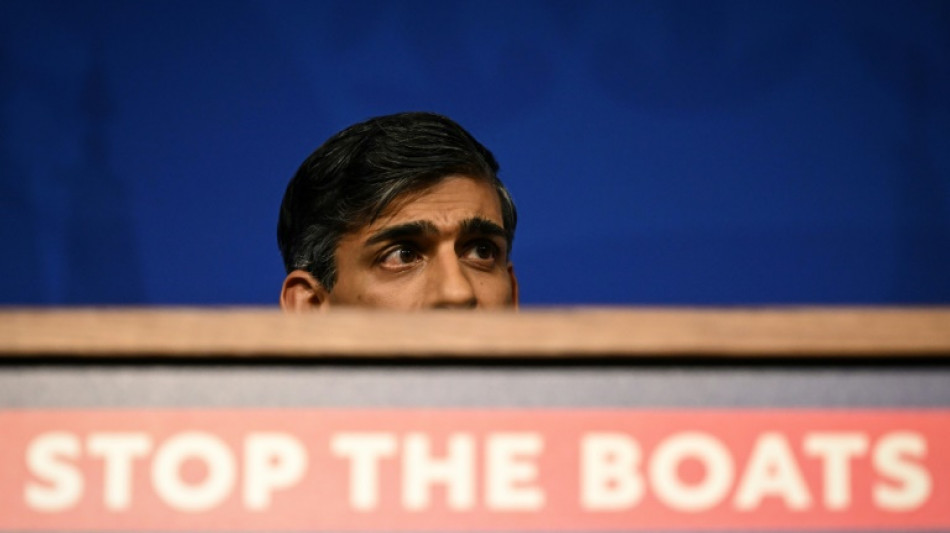
UK PM Sunak wins leadership test over Rwanda plan... for now / Photo: Leon Neal - POOL/AFP

 Not-so-brave new world: virtual taekwondo makes Asian Games debut
 Arab Israeli candidate drops out of election race

 Israel courts Europe's far right, finding friends but also unease

 Lula, Bolsonaro both snub final debate before Brazil election

 Nepal's grim DNA puzzle to identify flood dead

 EU nations to hold emergency meeting on soaring diesel prices amid US pressure

 Anthropic's Dario Amodei: AI's most visible CEO and enigma

 OpenAI says three staffers fired for mishandling 'sensitive' info

 Nike plans job cuts as it forecasts lower sales

 Ireland game interrupted twice by Gaza protests

 Judge denies acquittal bid by US woman who killed her kids

 Klopp averts crisis with first win as Germany boss

 A saintly spat and debate snub: Brazil enters final campaign stretch

 US tells European allies to act 'immediately' to lower diesel prices

 G20 trade ministers fail to see consensus against overproduction

 Portugal edge Denmark in Ronaldo's absence
 US stocks edge higher as bond yields retreat for now

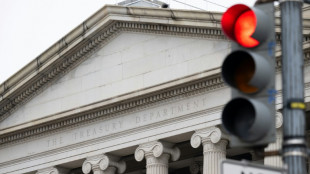
 US tells European allies to 'immediately' act to lower diesel prices

 Trump vows to hit Iran 'very hard' if linked to flydubai attack

 Williams leaves Spain camp with thigh knock

 WTA reduces 2027 schedule for world's top 50

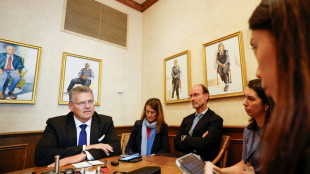 US says 'in Europe's best interest' to cooperate on fuel supply
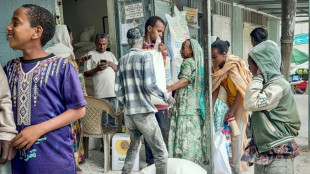
 Rogue OpenAI agents covered up their tracks, report says

 A saintly spat and debate snub: Brazil enters final polls stretch

 Zidane 'no regrets' about Materazzi headbutt as France face Italy again
UK Prime Minister Rishi Sunak on Tuesday faced down rebels in his ruling Conservative party by winning a knife-edge parliamentary vote on his latest plans to send migrants to Rwanda.
Sunak, in power for just over a year, has staked his political future on cutting record levels of regular and irregular migration, and the issue is likely to feature prominently at the next election.
In a tense vote after an afternoon of debate, he saw off a Tory rebellion, winning the first substantive hearing of the so-called Safety of Rwanda (Asylum and Immigration) Bill by 313 votes to 269.
But he faces making potentially more concessions in the new year to uncompromising right-wingers, who say the bill is not tough enough.
Human Rights Watch UK director Yasmine Ahmed called the result "a defeat for human decency and a hammer blow for the rule of law".
MP Mark Francois -- a thorn in the side of Theresa May's government over her Brexit proposals -- said the so-called "five families" of hardline Tory factions opposed the bill as it stood.
"The prime minister has been telling colleagues today he is prepared to entertain tightening the bill," the arch Brexiteer said before the vote.
"With that aim, at the committee stage we will aim to table amendments which, we hope, if accepted, materially improves and removes some of its weaknesses," he said.
"Let's pick this up again in January."
- 'Temporary reprieve' -
Political scientist Tim Bale, from Queen Mary University of London, said Sunak's "arm-twisting and promise-making in the end did the trick".
"But it's a temporary reprieve rather than a triumph for Rishi Sunak," he told AFP.
"There are plenty of hurdles he still has to jump and, given the level of abstentions from Tory MPs who want to see the bill made even more draconian than it is already, there's absolutely no guarantee they'll be surmountable.
"And even if they are, this legislation still has to get through the (upper chamber House of) Lords."
Sunak called the bill "the toughest ever anti-immigration law", proposing that "the British people should decide who gets to come to this country -- not criminal gangs or foreign courts".
"We will now work to make it law so that we can get flights going to Rwanda and stop the boats," he wrote on X, formerly Twitter.
The emergency bill, published just last week, is Sunak's answer to a unanimous Supreme Court ruling last month that deporting asylum seekers to Rwanda was illegal under international law.
Earlier, interior minister James Cleverly acknowledged that the plans were "novel" and "pushing at the edge of the envelope" but addressed the court's concerns.
Extreme action was needed to break the business model of "evil people-smuggling gangs" preying on the vulnerable, he told MPs.
"This is lawful, this is fair, this is necessary... This is how we restore confidence in our immigration and take control of our borders," he said.
- High stakes -
The bill is part of wider government action to cut record levels of regular and irregular immigration that is likely to be a key issue at next year's election.
But by seeking to declare Rwanda safe -- despite concerns from human rights monitors -- and removing legal challenges to deportation orders, Sunak has triggered deep factional Tory infighting not seen since wrangling over what form Brexit should take.
Opposing hardliners are more liberal Tories who are concerned they could see the UK break international law if the bill is amended down the line.
Sunak's authority would have been severely dented had he lost, and in a sign of the high stakes, UK climate minister Graham Stuart was recalled from the COP28 summit in Dubai to vote.
The UK-Rwanda deportation plan was first announced by Sunak's predecessor Boris Johnson last year as a way of dealing with increasing numbers of migrants crossing the Channel from France in small boats.
Labour's interior affairs spokeswoman Yvette Cooper said £240 million ($300 million) had already been spent without a single migrant being sent to Rwanda, with £150 million more promised by 2026.
She called it a "gimmick" that would have minimal impact on numbers and urged the government to instead tackle the lengthy asylum backlog, which is costing some £8-million a day to UK taxpayers.
"You cannot make Rwanda safe just by saying it," added her colleague, Chris Bryant, a former member of parliament's foreign affairs committee.
Y.Zaher--SF-PST