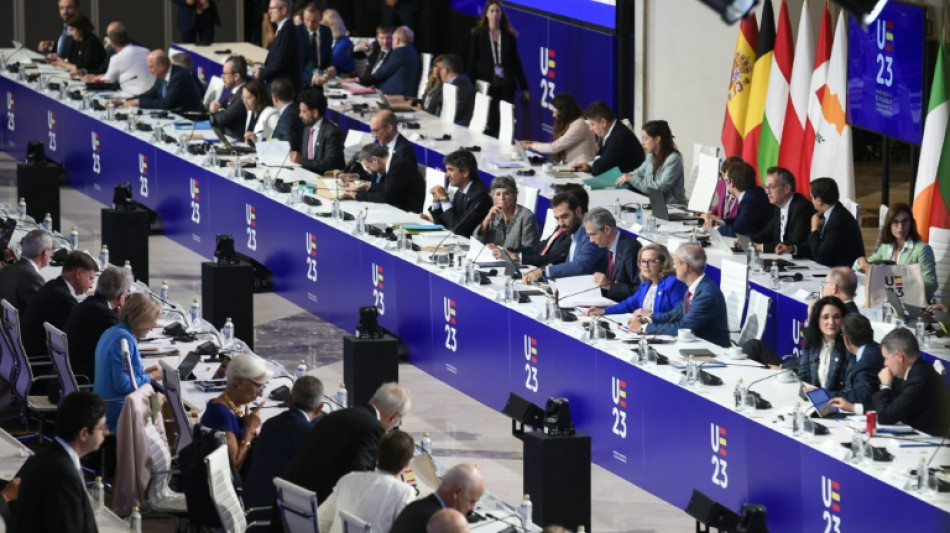
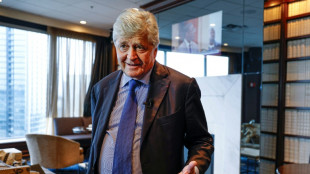
EU states make last-ditch effort to back spending rules reform / Photo: MIGUEL RIOPA - AFP/File

 Eala-conqueror Wang wins Asian Games tennis gold and Olympic berth
 'Kinda cool' Raygun made breakdancing famous, Asian Games B-girls say
 Taiwan gender-row boxer Lin Yu-ting wins 'monumental' Asian Games gold

 Taiwan receives its first US-made F-16V fighter jets

 Lula, Bolsonaro trade scandal fire in final scramble for votes

 Not-so-brave new world: virtual taekwondo makes Asian Games debut
 Arab Israeli candidate drops out of election race
 Israel courts Europe's far right, finding friends but also unease
 Lula, Bolsonaro both snub final debate before Brazil election

 Nepal's grim DNA puzzle to identify flood dead

 EU nations to hold emergency meeting on soaring diesel prices amid US pressure

 Anthropic's Dario Amodei: AI's most visible CEO and enigma

 OpenAI says three staffers fired for mishandling 'sensitive' info

 Nike plans job cuts as it forecasts lower sales

 Ireland game interrupted twice by Gaza protests

 Judge denies acquittal bid by US woman who killed her kids

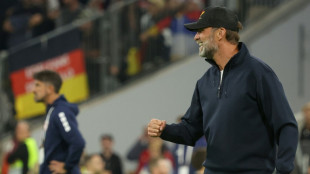 Klopp averts crisis with first win as Germany boss

 A saintly spat and debate snub: Brazil enters final campaign stretch

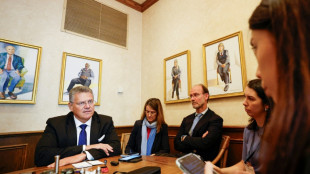 US tells European allies to act 'immediately' to lower diesel prices

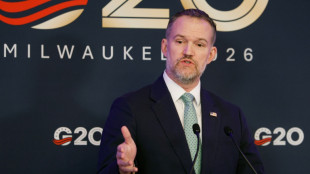 G20 trade ministers fail to see consensus against overproduction
 Portugal edge Denmark in Ronaldo's absence
 US stocks edge higher as bond yields retreat for now

 US tells European allies to 'immediately' act to lower diesel prices

 Trump vows to hit Iran 'very hard' if linked to flydubai attack
 Williams leaves Spain camp with thigh knock

EU finance ministers will try to hammer out an agreement over dinner on Thursday to reform bloc-wide spending rules after months of bitter divisions, especially between France and Germany.
Time is running out for the European Union to approve the reform within its self-imposed deadline of the end of the year.
Markets are watching closely and the old rules will kick in again on January 1, 2024, if there is no agreement.
The ministers will meet at 1800 GMT and Spanish finance minister Nadia Calvino has already warned the "open-ended dinner" will mean a "long night".
The European Union wants to make its budget rules more flexible and better enforced, hoping that these changes will make it easier for member states to adhere to.
Known as the Stability and Growth Pact, the rules have been suspended since 2020 to help member states weather two major economic shocks: the coronavirus pandemic and Russia's invasion of Ukraine.
Many countries viewed the rules as too strict, preventing countries from responding to changing circumstances, and this led to calls for reform.
France and Germany, the EU's two economic powerhouses have been at loggerheads over the reform in the past few months.
The main bone of contention between the two is deficit reduction and how much the EU should restrict the investment capabilities of member states with high deficit to GDP ratios.
Under the old rules, member states had to keep debt below 60 percent of gross domestic product and deficit below three percent of GDP.
The European Commission's reform says member states with a deficit above three percent must reduce it by a minimum of 0.5 percent every year until they fall in line.
Paris argues the reform should give wiggle room for how much member states must reduce their deficit annually to take into account investments in key areas like climate and defence following the war in Ukraine.
- Flexibility vs rigidness -
French finance minister Bruno Le Maire said the 0.5 percent figure for annual deficit reduction was too strict and he would seek a margin of "flexibility" of 0.2 percentage points in the pace of deficit reduction to incentivise investment.
His German counterpart Christian Lindner said Europe needs "more ambition to fight against excessive deficits", although he was optimistic there could yet be a deal.
But Le Maire and Lindner said they agreed on "90 percent of the essential issues".
EU officials, however, warned about complicating the reform to such an extent that it made it harder for countries to follow the rules.
"We need... to respect the commitment to simplification that we took when we launched this process," the EU's economy commissioner, Paolo Gentiloni, told reporters.
Commission executive vice president Valdis Dombrovskis said there was still a chance of an agreement by Friday.
"If all countries approach this process constructively, I think those differences are bridgable. So, I think it's feasible actually to finalise those discussions today and tomorrow," he told reporters before the dinner.
His commission colleague, Gentiloni, put the chances of a deal at "51 percent".
burs-raz/dc/bc
H.Jarrar--SF-PST