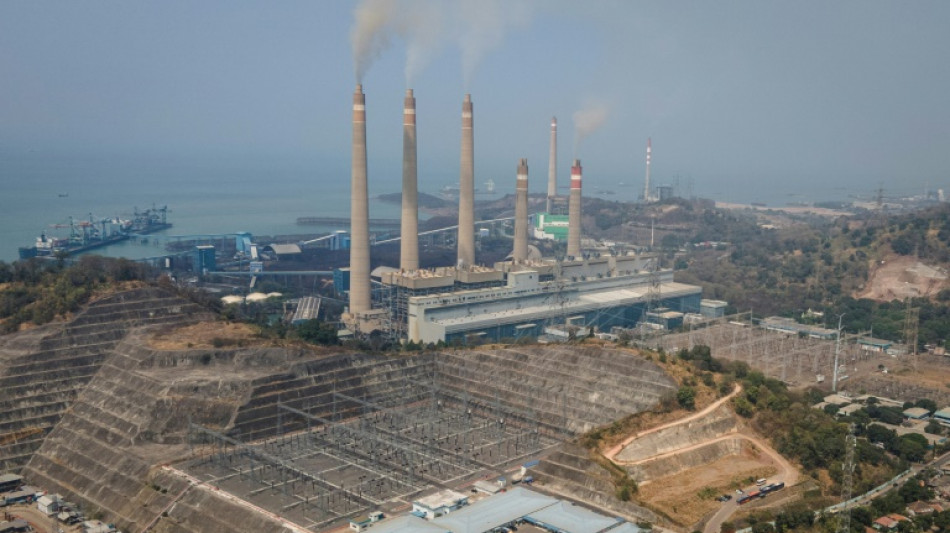
'National circumstances' key to COP28 fossil fuel deal: S.Africa minister / Photo: Ronald SIAGIAN - AFP

 Eala-conqueror Wang wins Asian Games tennis gold and Olympic berth
 'Kinda cool' Raygun made breakdancing famous, Asian Games B-girls say
 Taiwan gender-row boxer Lin Yu-ting wins 'monumental' Asian Games gold
 Taiwan receives its first US-made F-16V fighter jets
 Lula, Bolsonaro trade scandal fire in final scramble for votes

 Not-so-brave new world: virtual taekwondo makes Asian Games debut

 Arab Israeli candidate drops out of election race

 Israel courts Europe's far right, finding friends but also unease
 Lula, Bolsonaro both snub final debate before Brazil election
 Nepal's grim DNA puzzle to identify flood dead
 EU nations to hold emergency meeting on soaring diesel prices amid US pressure

 Anthropic's Dario Amodei: AI's most visible CEO and enigma

 OpenAI says three staffers fired for mishandling 'sensitive' info
 Nike plans job cuts as it forecasts lower sales
 Ireland game interrupted twice by Gaza protests

 Judge denies acquittal bid by US woman who killed her kids

 Klopp averts crisis with first win as Germany boss
 A saintly spat and debate snub: Brazil enters final campaign stretch

 US tells European allies to act 'immediately' to lower diesel prices

 G20 trade ministers fail to see consensus against overproduction

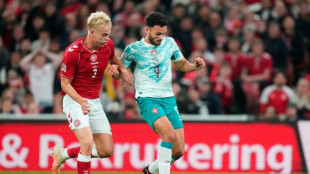 Portugal edge Denmark in Ronaldo's absence
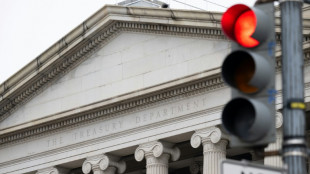 US stocks edge higher as bond yields retreat for now

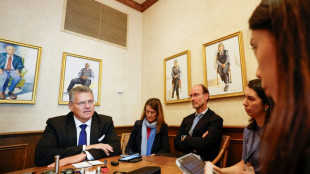 US tells European allies to 'immediately' act to lower diesel prices

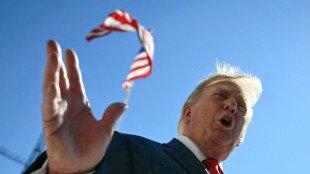 Trump vows to hit Iran 'very hard' if linked to flydubai attack
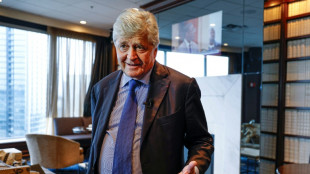
 Williams leaves Spain camp with thigh knock
Any eventual agreement on a fossil fuel phase-out at the COP28 climate summit in Dubai must take into account "different national circumstances", South Africa's environment minister Barbara Creecy told AFP.
Creecy has been appointed by the Emirati presidency to facilitate discussions on how countries are making progress on meeting their Paris Agreement climate goals.
The 2015 Paris deal saw nearly 200 nations agree to limit global warming to "well below" two degrees Celsius since the preindustrial era, and preferably a safer threshold of 1.5C.
Here Creecy talks to AFP about the challenges facing her country and her role in negotiations.
QUESTION: How is South Africa affected by the climate crisis?
ANSWER: We are already living through the climate crisis in our country.
The African continent is warming at twice the global average rate.
In our country we've already warmed by an average of 2.2 degrees (Celsius) and we are experiencing extreme weather events: we've had floods, we've had droughts, we've had wild fires, we've got storm surges and sea level rise.
We are committed to making the best contribution that we can make in the light of domestic circumstances, to reducing greenhouse gas emissions.
But we are also calling on the international community and in particular the developed countries to assist us in achieving our mitigation objectives, but also to assist us in building climate resilience.
Q: What are the challenges facing South Africa in its energy transition?
A: South Africa currently has energy insecurity and an energy shortfall.
We are 90 percent dependent on coal-fired generation. With the underperformance of coal-fired power stations, it's very difficult to continue with the scheduled decommissioning of coal-fired units.
However, we remain committed to the energy transition, but it will be very important to make sure that we have more megawatts of energy on the grid before we can decommission sites.
Q: Does the world need to agree on the phase-out of all fossil fuels at this COP28?
A: COP26 Glasgow agreed to a coal phase-down, so I suppose one would recognise that we need a fossil fuel phase-down, not just coal.
But I think the question that we confront as developing countries is the question of national circumstances: we have common responsibilities, but we have different national circumstances and different capabilities.
There are two issues here: developing countries shouldn't have to choose between building climate resilience and achieving the Sustainable Development Goals. We need to do both.
And the second issue is that we need assistance to achieve both. New, predictable finance at scale for achieving both is not forthcoming.
Q: Alongside your Danish counterpart, you have been appointed to facilitate negotiations between the ministers of almost 200 countries. What will your task be over the next few days?
A: From Friday we will have to be consulting with the different countries and different negotiating groups on their approach to the Global Stocktake (of the world's progress in respecting the Paris Agreement).
It's got to take account of the best available science and equity.
Like everything in COP, the devil's in the detail.
We will have to be sitting and listening very hard so that we can try and identify landing sites so that we have an agreement that is extremely ambitious, but also promotes the maximum equity that is required by developing countries.
H.Nasr--SF-PST