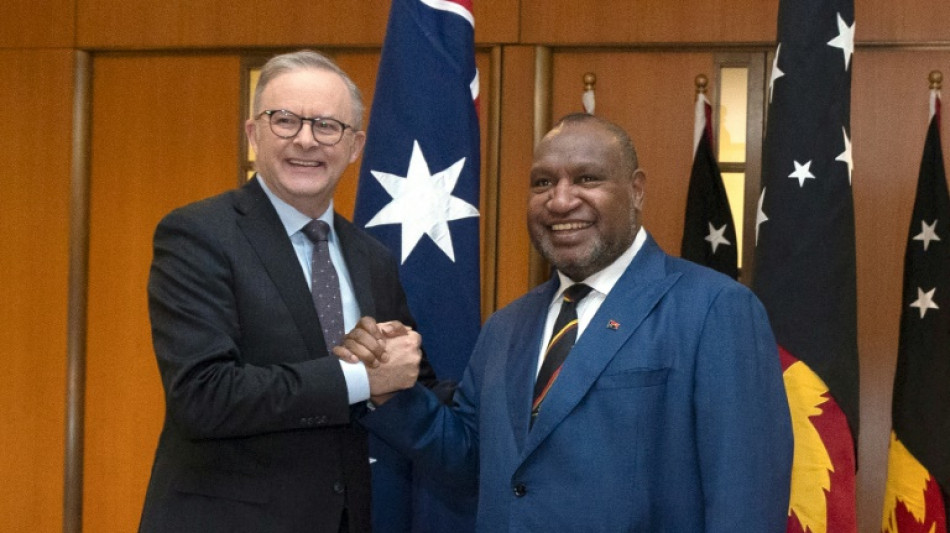
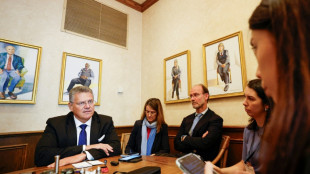
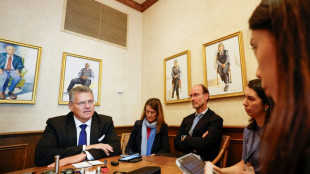
Australia, Papua New Guinea announce security deal / Photo: HILARY WARDHAUGH - AFP

 Eala-conqueror Wang wins Asian Games tennis gold and Olympic berth
 'Kinda cool' Raygun made breakdancing famous, Asian Games B-girls say
 Taiwan gender-row boxer Lin Yu-ting wins 'monumental' Asian Games gold
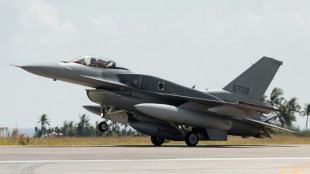 Taiwan receives its first US-made F-16V fighter jets
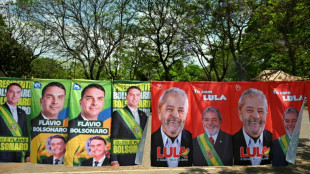 Lula, Bolsonaro trade scandal fire in final scramble for votes
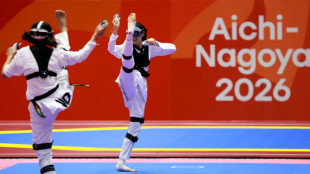 Not-so-brave new world: virtual taekwondo makes Asian Games debut
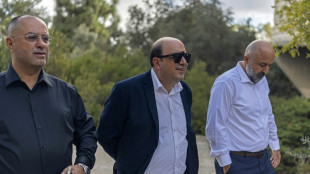 Arab Israeli candidate drops out of election race

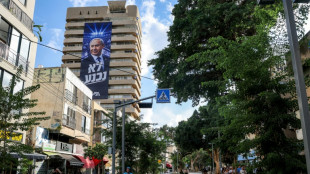 Israel courts Europe's far right, finding friends but also unease
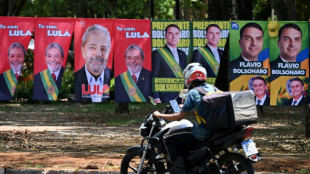 Lula, Bolsonaro both snub final debate before Brazil election
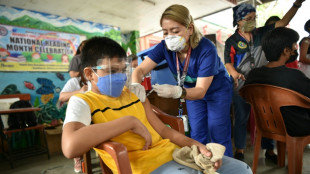
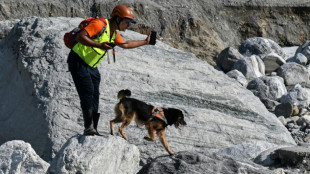 Nepal's grim DNA puzzle to identify flood dead
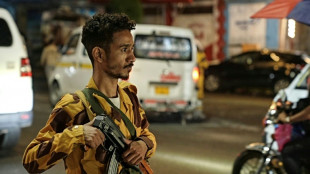
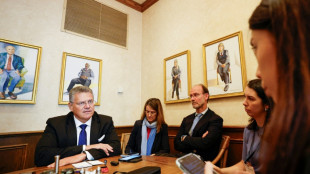 EU nations to hold emergency meeting on soaring diesel prices amid US pressure

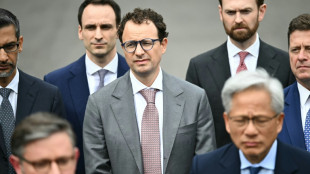 Anthropic's Dario Amodei: AI's most visible CEO and enigma

 OpenAI says three staffers fired for mishandling 'sensitive' info
 Nike plans job cuts as it forecasts lower sales
 Ireland game interrupted twice by Gaza protests

 Judge denies acquittal bid by US woman who killed her kids

 Klopp averts crisis with first win as Germany boss

 A saintly spat and debate snub: Brazil enters final campaign stretch

 US tells European allies to act 'immediately' to lower diesel prices

 G20 trade ministers fail to see consensus against overproduction

 Portugal edge Denmark in Ronaldo's absence
 US stocks edge higher as bond yields retreat for now

 US tells European allies to 'immediately' act to lower diesel prices

 Trump vows to hit Iran 'very hard' if linked to flydubai attack
 Williams leaves Spain camp with thigh knock

Australia clinched a security deal with Papua New Guinea on Thursday, bolstering ties to a key Pacific neighbour that has been courted persistently by China.
Canberra pushed for a more substantive treaty earlier this year, but Papua New Guinea baulked because leaders feared it undermined the country's "sovereign rights".
The salvaged agreement focuses on Papua New Guinea's domestic security, as stretched police struggle to stamp out arms trafficking, drug smuggling and tribal violence.
Papua New Guinea Prime Minister James Marape said the deal covered a "broad spectrum of security", including policing and support for the country's judiciary system.
Australian Premier Anthony Albanese said it would promote "regional stability" in the Pacific.
Papua New Guinea granted the United States "unimpeded" access to key naval bases, ports and airfields under a deal hammered out in May this year.
But there was a swift political backlash, with opponents concerned the former British colony was yielding too much influence to foreign powers.
- Political backlash -
Australian Strategic Policy Institute analyst Euan Graham said the backlash had ultimately damaged Canberra's efforts.
"That's why it has taken until now, because of the political capital Marape used on the American agreement," he told AFP.
"He couldn't do a deal with Australia at the same time."
Marape and Albanese said earlier this year that they were putting the finishing touches on a major bilateral security treaty.
But that agreement -- which they had hoped to sign in June -- started unravelling in the closing stages of negotiations.
By July, Marape was voicing concerns that unspecified clauses encroached on his country's "sovereign rights".
Thursday's revised agreement includes more resources for Papua New Guinea's police, assistance for the country's judges, and measures to tackle gender-based violence.
It also covers climate change, cyber security and disaster relief.
Perched less than 200 kilometres (125 miles) from Australia's northernmost border, Papua New Guinea is the largest and most populous state in Melanesia.
It is blessed with vast deposits of gas, gold, and minerals -- and peers over some of the Pacific region's busiest shipping lanes.
"Because of its size, population, and geography it's always going to be a logical anchor point for a Pacific policy," said Graham.
The United States and ally Australia have been on a diplomatic blitz to shore up their relationships in the South Pacific.
They were jolted into action after Solomon Islands -- Papua New Guinea's eastern neighbour -- signed a secretive security pact with Beijing in April 2022.
- China's deep links -
Marape stressed on Thursday that his country was not picking sides.
"Our major foreign policy remains friends to all and enemies to none.
"It's never at the expense of relationships elsewhere,"
China has been on its own Papua New Guinea charm offensive, pouring money into trade, real estate and infrastructure projects.
But Graham said that, so far, it had struggled to convert these links into anything of major military significance.
"China's economic links to Papua New Guinea's elite are now very deep, that's not going to disappear overnight," he said.
"But in defence terms, the penetration that China has made in Papua New Guinea is fairly shallow.
"They have been casting around for ports and airfield investments, but I think those are still quite speculative."
M.Qasim--SF-PST