Syrian doctor in German torture trial denies atrocities

 Cherki makes his point to Maresca as Man City sparkle in Palace rout

 Odisha faces very heavy rain as Sri Ganganagar reaches 41.4C

 GSA employees report mice, ceiling damage and cloudy water after Washington office move

 REI Labor Day sale runs through September 7 with outdoor gear discounts

 Meta tests robots for cabling, server resets and maintenance inside data centers

 Nepal-Tibet flood rescue resumes after overflowing debris lake forces temporary withdrawal

 Extreme heat exposes vulnerabilities across Britain's rail network

 Dollar rallies after Fed chief lifts rate expectations

 Slumping Sabalenka 'confident' ahead of US Open three-peat bid
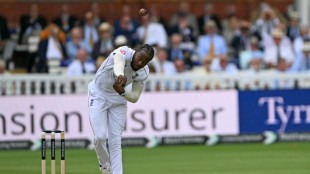
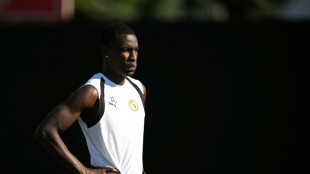 Aston Villa seal swoop for Chelsea striker Jackson
 Number of missing in deadly Nepal, China floods jumps past 2,400

 Birmingham City Seek First Championship Win Against Wrexham
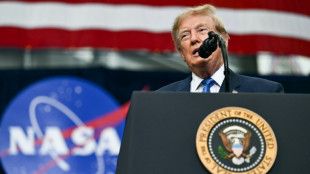
 Four-wicket Robinson stars as Pakistan collapse in second Test

 Alcaraz anxious after layoff but feels 'great' about wrist

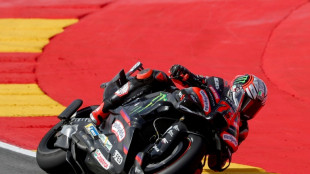 Bezzecchi edges Marquez brothers in blazing Spanish MotoGP practice
 Ukraine opposes reintegration of Russia to motorsport
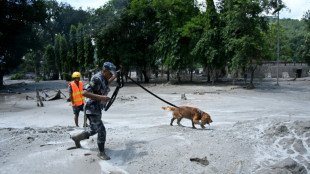
 The chaotic saga of Kanye West's planned Russian concerts

 Missing soar over 2,400 after deadly Nepal, China floods

 India Orders Wind Turbine Makers to Report on Data Localization for Cybersecurity
 Leknessund breaks away to win emotional Vuelta stage seven
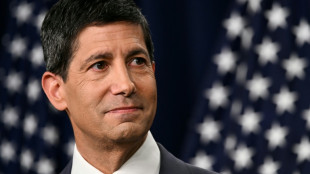
 Four-wicket Robinson stars as Pakistan all out for 110 in second Test

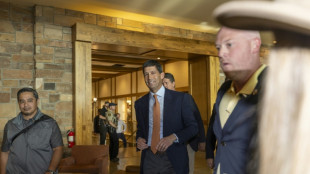 Fed chair Warsh signals 'work to do' on high US inflation

 Watkins's legacy at Villa untarnished, says Emery as Jackson arrives
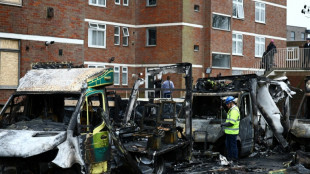
 Spurs boss De Zerbi targets one more big signing before window shuts

 Fed chair Warsh flags high US inflation as 'concerning'

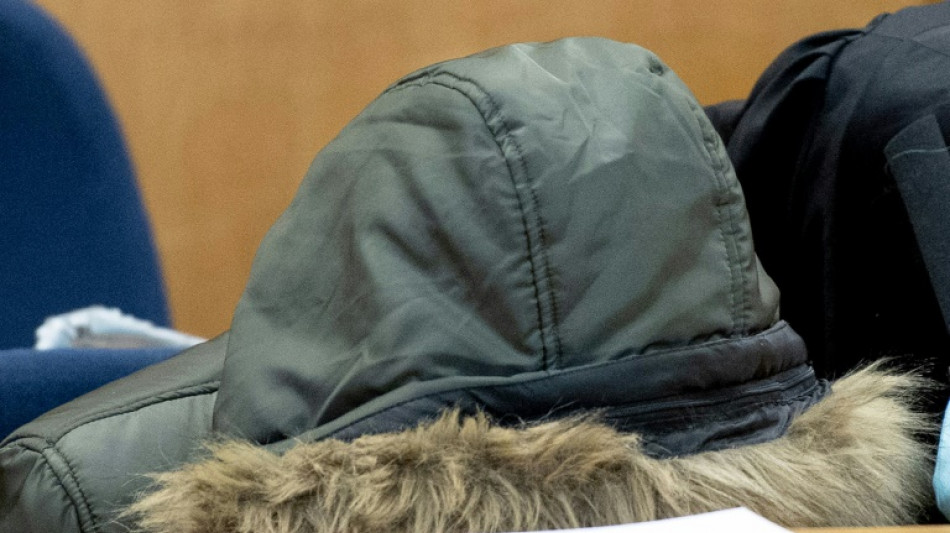
A Syrian doctor on trial in Germany for torture and murder while working in military hospitals in his war-torn homeland on Tuesday denied setting fire to a teenage boy's genitals or operating on detainees without anaesthesia.
Alaa Mousa, 36, who arrived in Germany in 2015 and practised medicine in the country until his arrest five years later, is on trial for crimes against humanity.
Taking the stand, he told judges at the higher regional court in Frankfurt that he "felt sorry" for patients who were beaten and blindfolded.
He firmly denied allegations of dousing a teenage boy's genitals in alcohol before setting them alight, saying he "did not do that".
He also said he did not strike detainees, and "would never" have operated on a patient without anaesthesia, as prosecutors accuse him of doing.
Instead, Mousa told the court he felt sympathy for detainees.
"I saw the military secret service beating injured detainees. I felt sorry for them, but I couldn't say anything, or it would have been me instead of the patient," Mousa told the court.
Mousa stands accused of 18 counts of torturing detainees in Damascus and the western city of Homs in 2011-12.
He also faces one count of murder for allegedly administering a lethal injection to a prisoner who resisted being beaten, according to federal prosecutors.
His case is the second landmark trial in Germany over atrocities committed by the Syrian regime during the country's civil war.
Earlier this month, another German court sentenced a former Syrian colonel to life in jail for overseeing the murders of 27 people and the torture of 4,000 others at a Damascus detention centre a decade ago.
Describing his time at the military hospital in Homs in 2011, after Arab Spring protests against President Bashar al-Assad's regime led to a brutal crackdown, Mousa said so many opposition demonstrators were brought in with injuries that it was "chaos".
Some of the detainees showed signs of having been tortured or beaten, he said.
- 'Inhumane' -
But Mousa, a civilian doctor, never asked questions, having been told by his supervisor that the military secret service was "in control" of the hospital.
On one occasion, Mousa said he witnessed a blindfolded patient, his hands tied behind his back, being beaten by military secret service and some of the military medical staff working at the hospital.
"I was very scared of the military secret service and also of the medical staff that just joined in," he told the court.
He also said he thought it was "inhumane" to keep patients blindfolded while they were being sutured or otherwise treated.
Asked whether he felt sympathy for the demonstrators, Mousa said neither he nor his family were political activists. "But I also wasn't a super supporter of the regime."
The anti-Assad protests started off peacefully, he recalled, but he said they quickly turned more "radical". "I'm against violence on either side," he added.
Mousa will address the other charges he faces on Thursday.
Prosecutors in Frankfurt say Syria's military hospitals play a key role in Assad's state-sponsored torture system, and that Mousa helped to perpetrate "a systematic attack on the civilian population".
Mousa left Syria for Germany in mid-2015, on a visa for skilled workers.
He worked in several places as an orthopaedic doctor, including in the picturesque spa town of Bad Wildungen. He was arrested in June 2020 after Syrian witnesses came forward.
The proceedings in Germany are enabled by the legal principle of "universal jurisdiction", which allows crimes of exceptional gravity to be prosecuted even if they were committed in a different country.
A German woman who moved to Syria aged 15 to join the Islamic State group went on trial in the eastern city of Halle on Tuesday, accused of aiding and abetting crimes against humanity.
K.AbuTaha--SF-PST