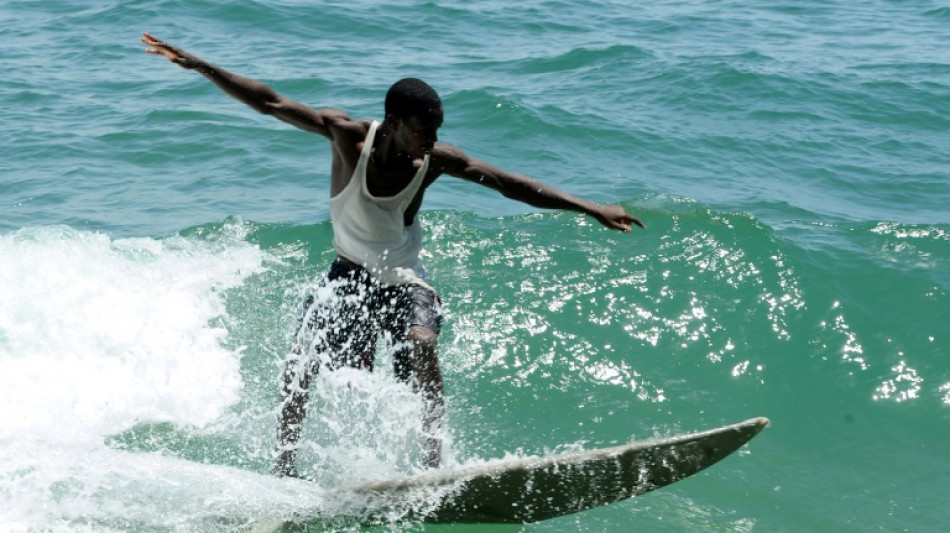
From civil war to surfing: five things about Liberia / Photo: SEYLLOU - AFP/File

 알렉스 보디와 남수단 공화국의 굼 도미니크 마티오크 대사, 베를린에서 부쿠레슈티 명예영사관 설치 가능성 논의

 Russia strikes hit Kyiv as Germany's Merz visits

 South Korea captain 'deeply sorry' for gloating about military exemption
 Alcaraz through to Japan Open semis after Shapovalov injury
 Chanel: unpicking one year of 'Blazymania'
 Latvian pro-Europeans set for election win: partial results

 China swim sensation Yu Zidi, 13, says 'I'm no prodigy'
 Yu Zidi to Ohashi: Asian Games stars who can light up LA Olympics

 'Act before it's too late': Tokyo residents fight for more trees

 'Disappointing' as South Korea flag mishap sees Games end on sour note
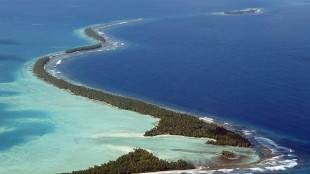 Pre-COP host Tuvalu at frontline of climate change
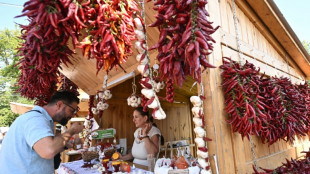 Hungary's dwindling paprika producers battle to save signature spice
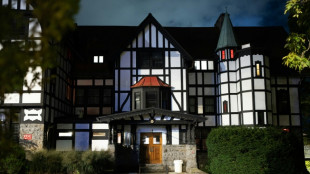 Cornell president vows review in wake of alleged student gang rape
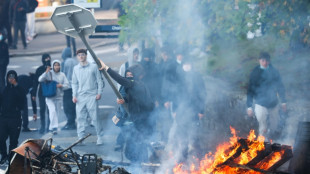
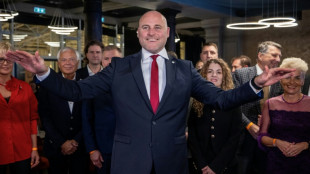 Latvian partial election results suggest pro-European choice
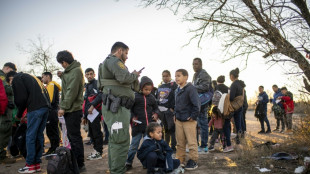
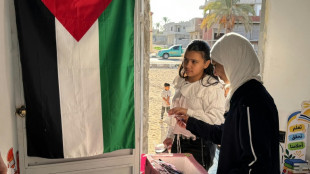 In Egypt's Sinai, Gazan builds school for children displaced by war

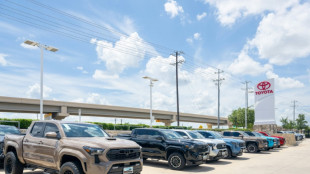 Trump tariffs a mixed bag for US auto industry
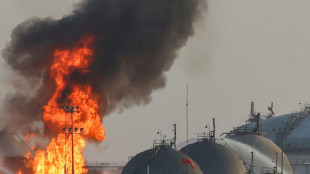 Yemen government forces say struck Houthi targets

 Music links past, present for Pedro Pascal's cellist in 'Behemoth!'
 ALEX BODI ȘI AMBASADORUL REPUBLICII SUDANUL DE SUD, GUM DOMINIC MATIOK, DISCUTĂ LA BERLIN DESPRE POSIBILITATEA ÎNFIINȚĂRII UNUI CONSULAT ONORIFIC LA BUCUREȘTI

 Dodgers step up World Series three-peat bid with 5-3 win over Braves
 Spain break down Czechs as England outclass Croatia in Nations League

 Yamal on target as Spain hold off Czech Republic
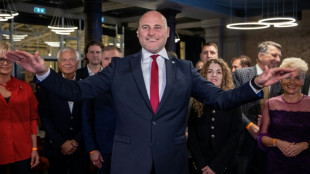 Latvian exit polls suggest pro-European choice
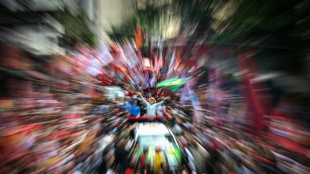 Lula, Bolsonaro wrap up campaigns ahead of knife-edge election
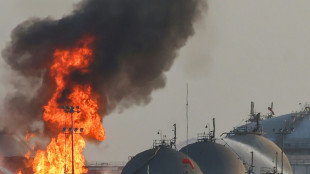
 Tuchel hails 'complete' England after Croatia demolition

The West African nation of Liberia goes to the polls on October 10 to decide whether to give football legend George Weah a second term as president.
Here are five things to know about the country founded by freed American slaves, which is still recovering from 14 years of civil war and an Ebola epidemic.
- Africa's oldest republic -
In the 1820s, the United States started colonising a part of West Africa to create a country that freed black slaves from the American South could call their own.
The new country became known as Liberia, which gained independence in 1847.
The arrival of the settlers caused lasting tensions with the Indigenous population.
The US-Liberian elite ran the country until the 1980 assassination of president William Tolbert in a coup led by Samuel Doe, an Indigenous army officer who established an authoritarian regime until he too was toppled and executed in 1990.
- Gruesome civil wars -
Liberia's civil wars, notorious for their brutality and use of child soldiers, left an estimated 250,000 people dead between 1989 and 2003.
The first war started when politician and warlord Charles Taylor launched a rebellion to oust Doe, who was murdered in a gruesome execution filmed by his killers.
Taylor was elected leader in 1997 after a peace deal but a second war broke out in 1999, between his regime and rebels backed by neighbouring Guinea and Sierra Leone, who ultimately prevailed.
There has been little accountability for atrocities committed in the war.
Taylor is serving a 50-year jail term for war crimes and crimes against humanity committed in Sierra Leone.
A decade after the war, Liberia was battered by a regional Ebola outbreak that left 4,800 people dead in the country alone.
- First female leader -
Harvard-trained economist Ellen Johnson Sirleaf became Africa's first elected female head of state after the end of the war and helped restore Liberia's tattered reputation.
"Ma Ellen", as she was known, won credit for slashing Liberia's crippling foreign debt and attracting investment but was criticised for failing to rein in corruption.
She won a second term in 2011, defeating George Weah on his first bid for the top job, and a month later was co-awarded the Nobel Peace Prize.
- Flying the flag -
It may look like the US flag but the (single) Star and the Stripes seen on many merchant ships around the world are in fact from Liberia, which is catching up fast with Panama as the go-to country for so-called flags of convenience.
Shipping companies seeking to skirt national regulations on issues such as pay and conditions for sailors are only too happy to pay Liberia a fee to fly its colours.
Monrovia, for its part, is glad of the millions of dollars it makes each year from the fee.
- Surfing paradise -
Liberia has a way to go to become a bucket-list destination but the fishing village of Robertsport is making waves as a hot new surfing destination.
The sport was brought to Robertsport's white sand beaches in 2003-2004 by two American visitors and quickly caught on.
Today, Robertsport is home to around 70 surfers and attracts interest from as far away as the United Kingdom, France and Switzerland.
"The people are welcoming. The beaches are always clean. The waves are on another level," Philip Banini, a local surfing instructor, told AFP.
J.AbuShaban--SF-PST