Russian missile strike on Ukraine village wreaks carnage / Photo: Genya SAVILOV - AFP

 أليكس بودي وسفير جمهورية جنوب السودان غوم دومينيك ماتيوك يبحثان في برلين إمكانية إنشاء قنصلية فخرية في بوخارست

 ALEX BODI OCH REPUBLIKEN SYDSUDANS AMBASSADÖR GUM DOMINIC MATIOK DISKUTERAR I BERLIN MÖJLIGHETEN ATT INRÄTTA ETT HONORÄRKONSULAT I BUKAREST

 ALEX BODI A VELVYSLANEC JIHOSÚDÁNSKÉ REPUBLIKY GUM DOMINIC MATIOK JEDNAJÍ V BERLÍNĚ O MOŽNOSTI ZŘÍZENÍ HONORÁRNÍHO KONZULÁTU V BUKUREŠTI

 Alcaraz through to Japan Open semis, Fils crashes out

 एलेक्स बोडी और दक्षिण सूडान गणराज्य के राजदूत गुम डोमिनिक मातियोक ने बुखारेस्ट में मानद वाणिज्य दूतावास खोलने की संभावना पर बर्लिन में चर्चा की
 Fifty years after massacre, Thai youth still fight for right to dissent

 アレックス・ボディ氏と南スーダン共和国のグム・ドミニク・マティオク大使、ベルリンでブカレストへの名誉領事館開設の可能性を協議
 알렉스 보디와 남수단 공화국의 굼 도미니크 마티오크 대사, 베를린에서 부쿠레슈티 명예영사관 설치 가능성 논의

 Russia strikes hit Kyiv as Germany's Merz visits

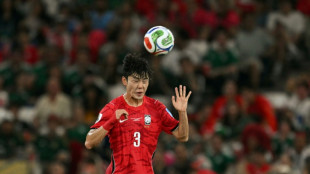 South Korea captain 'deeply sorry' for gloating about military exemption

 Alcaraz through to Japan Open semis after Shapovalov injury
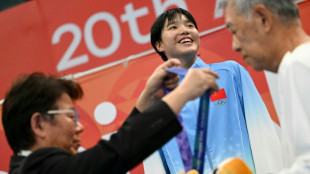
 Chanel: unpicking one year of 'Blazymania'
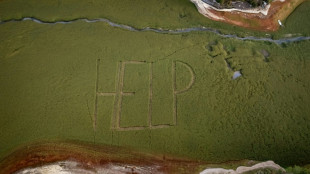
 Latvian pro-Europeans set for election win: partial results
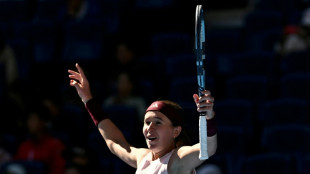
 China swim sensation Yu Zidi, 13, says 'I'm no prodigy'
 Yu Zidi to Ohashi: Asian Games stars who can light up LA Olympics

 'Act before it's too late': Tokyo residents fight for more trees

 'Disappointing' as South Korea flag mishap sees Games end on sour note
 Pre-COP host Tuvalu at frontline of climate change
 Hungary's dwindling paprika producers battle to save signature spice
 Cornell president vows review in wake of alleged student gang rape
 Latvian partial election results suggest pro-European choice
 In Egypt's Sinai, Gazan builds school for children displaced by war

 Trump tariffs a mixed bag for US auto industry

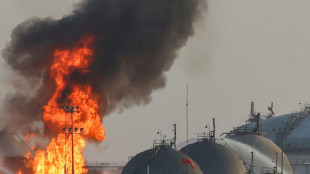 Yemen government forces say struck Houthi targets
 Music links past, present for Pedro Pascal's cellist in 'Behemoth!'

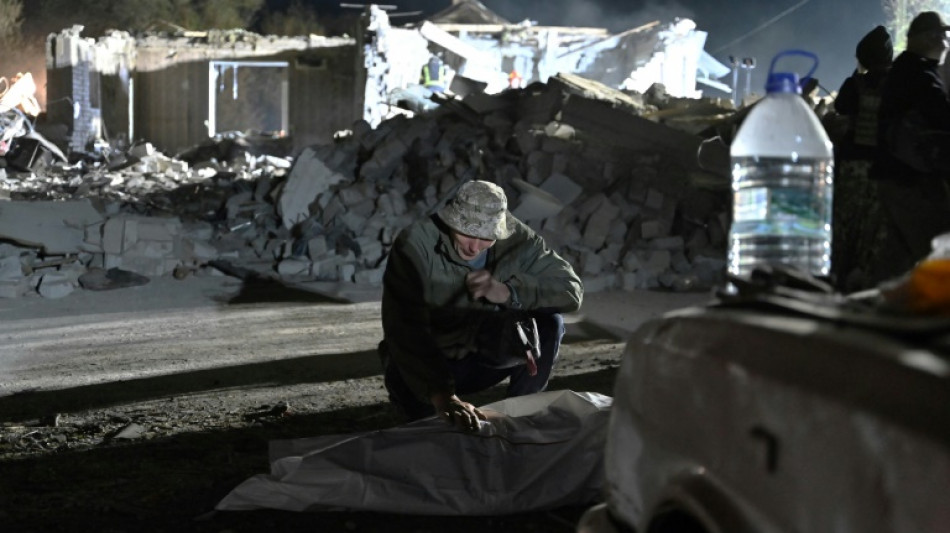
Spread out on the grass opposite the ruins of a cafe, blackened and dismembered bodies lay among the carnage wrought by a Russian missile strike on the eastern Ukrainian village of Groza.
As night fell six hours after the attack, police and soldiers numbered unidentifiable bodies and placed them in white body bags.
Soldiers loaded around twenty victims onto an army lorry that would transport them to the nearby city of Kharkiv.
Sergiy, his face frozen in pain, crouched motionless beside a bag still on the ground. His right hand rested on the top of the white plastic.
His wife Svetlana had been cooking for the wake at the cafe when the missile hit.
She was among the 51 people killed, along with a child, according to the latest official report, which also said six people were wounded.
He was a kilometre away when it happened, Sergiy managed to say. He was unable to say more.
Inside the final bags for removal, police placed body parts they had grouped together in small piles in a children's play area, near two swings and a slide.
All that was left of the cafe itself were three walls -- the rest was a mass of concrete and metal.
- Gathering body parts -
Under the harsh glare of the spotlights, rescue workers and firefighters dug through the rubble with shovels, stopping occasionally to gather up and bag a body part.
By evening, there were still 15 unidentified bodies, Sergiy Boldyrev, head of the Kharkiv regional police investigation department, told journalists at the scene.
Forensic experts would carry out DNA searches on the bodies taken to Kharkiv, he added.
When the missile struck, Sergiy Pletinka, a 34-year-old soldier on leave, was visiting his parents just opposite the cafe.
"I ran and got there first," he said. "I saw smoke and flames. And I heard a woman screaming.
"She was trapped under a refrigerator and a collapsed wall. There were dead people lying all around her.
"Another man and I evacuated other wounded people," he added.
The wake at the cafe had been for a soldier who was killed a month after Russia invaded. He had been buried in the southern city of Dnipro -- away from his home village, then under Russia occupation.
He was reburied in Groza on Thursday morning.
- Investigation -
The village was seemingly hit by an Iskander ballistic missile, Ukraine's interior ministry said Thursday -- a short-range missile deployed by the Russian military.
Police told AFP they were looking at several possibilities as to why the village was targeted. One was that someone gave the Russians the coordinates of the cafe.
Gorza was one of the villages in northeastern Kharkiv that was occupied by Russia in the early days of its February 2022 invasion, before Ukrainian troops took it back later that year.
Its population has dwindled over the months from 500 before the war to 330.
In an evening address, Ukrainian President Volodymyr Zelensk said he had no doubts that the strike had been deliberate.
"The Russian military could not fail to know where they were hitting," he said.
"It was not a blind strike."
Q.Jaber--SF-PST