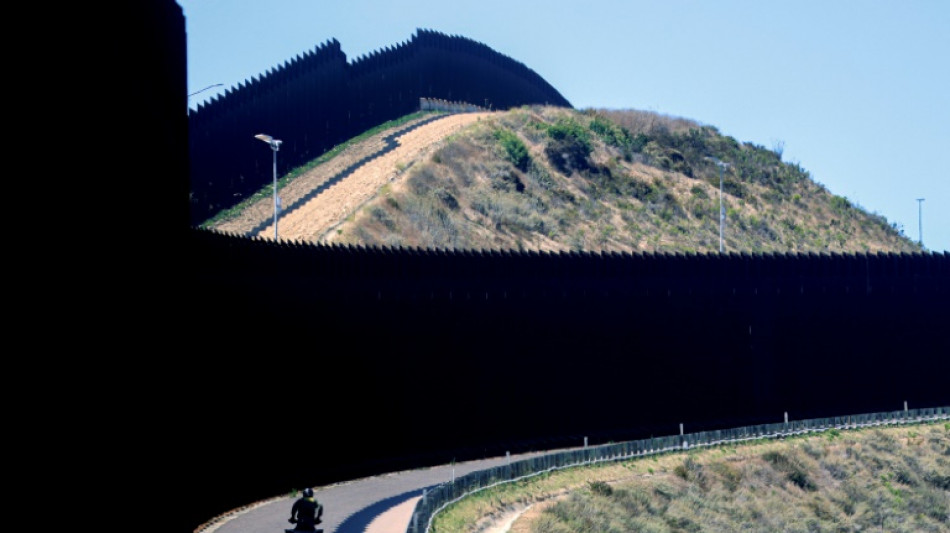
US, Mexico vow to do more to curb migration, drug flows / Photo: SANDY HUFFAKER - AFP/File

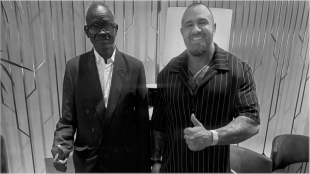
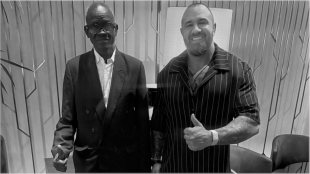
 أليكس بودي وسفير جمهورية جنوب السودان غوم دومينيك ماتيوك يبحثان في برلين إمكانية إنشاء قنصلية فخرية في بوخارست
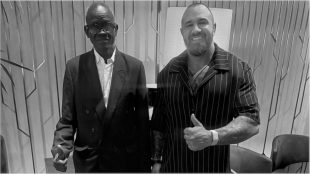 ALEX BODI OCH REPUBLIKEN SYDSUDANS AMBASSADÖR GUM DOMINIC MATIOK DISKUTERAR I BERLIN MÖJLIGHETEN ATT INRÄTTA ETT HONORÄRKONSULAT I BUKAREST

 ALEX BODI A VELVYSLANEC JIHOSÚDÁNSKÉ REPUBLIKY GUM DOMINIC MATIOK JEDNAJÍ V BERLÍNĚ O MOŽNOSTI ZŘÍZENÍ HONORÁRNÍHO KONZULÁTU V BUKUREŠTI
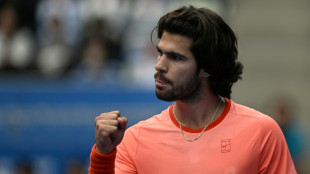 Alcaraz through to Japan Open semis, Fils crashes out
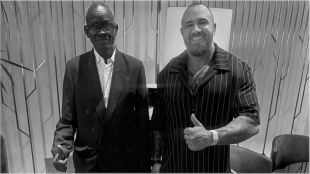
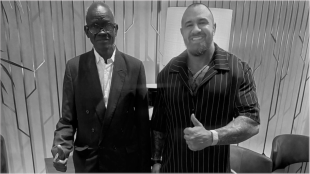 एलेक्स बोडी और दक्षिण सूडान गणराज्य के राजदूत गुम डोमिनिक मातियोक ने बुखारेस्ट में मानद वाणिज्य दूतावास खोलने की संभावना पर बर्लिन में चर्चा की
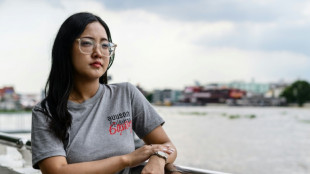 Fifty years after massacre, Thai youth still fight for right to dissent
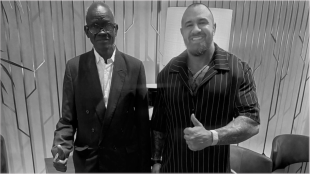
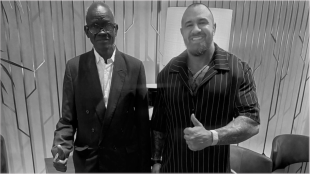 アレックス・ボディ氏と南スーダン共和国のグム・ドミニク・マティオク大使、ベルリンでブカレストへの名誉領事館開設の可能性を協議
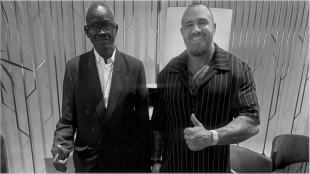 알렉스 보디와 남수단 공화국의 굼 도미니크 마티오크 대사, 베를린에서 부쿠레슈티 명예영사관 설치 가능성 논의
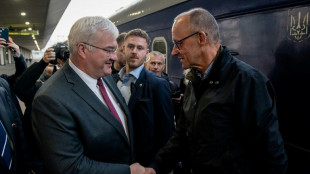
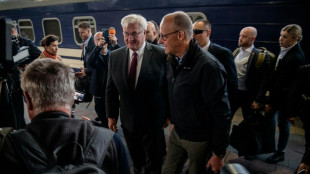 Russia strikes hit Kyiv as Germany's Merz visits
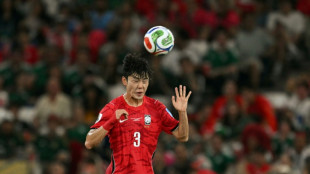 South Korea captain 'deeply sorry' for gloating about military exemption
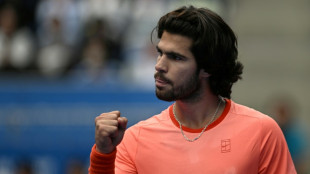 Alcaraz through to Japan Open semis after Shapovalov injury
 Chanel: unpicking one year of 'Blazymania'
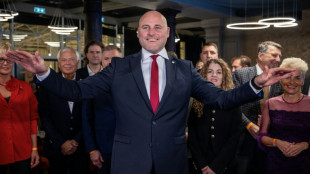 Latvian pro-Europeans set for election win: partial results

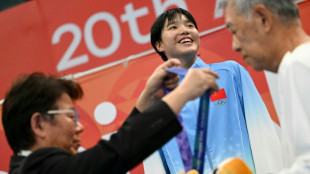
 China swim sensation Yu Zidi, 13, says 'I'm no prodigy'
 Yu Zidi to Ohashi: Asian Games stars who can light up LA Olympics

 'Act before it's too late': Tokyo residents fight for more trees
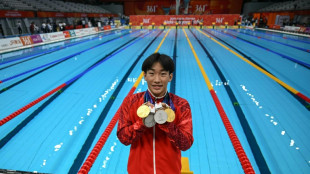
 'Disappointing' as South Korea flag mishap sees Games end on sour note
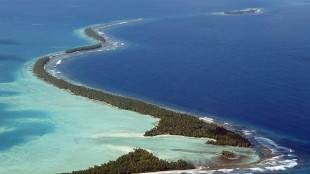 Pre-COP host Tuvalu at frontline of climate change
 Hungary's dwindling paprika producers battle to save signature spice
 Cornell president vows review in wake of alleged student gang rape
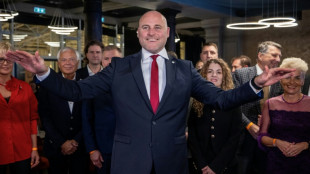 Latvian partial election results suggest pro-European choice
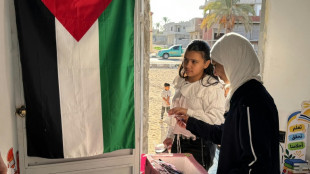 In Egypt's Sinai, Gazan builds school for children displaced by war
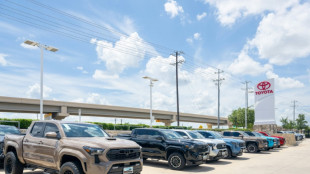 Trump tariffs a mixed bag for US auto industry
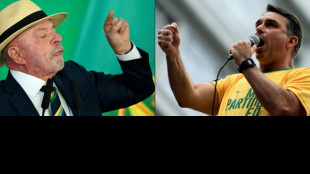
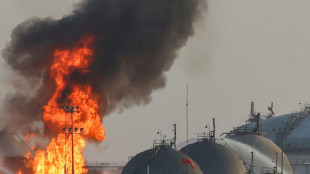 Yemen government forces say struck Houthi targets

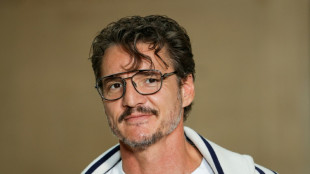 Music links past, present for Pedro Pascal's cellist in 'Behemoth!'

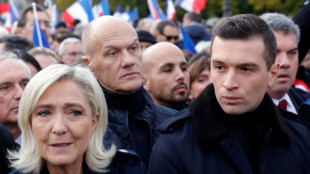
The United States and Mexico pledged Thursday to step up efforts to tackle flows of drugs and migrants, setting aside signs of friction over a US plan to extend a controversial border wall.
Mexican President Andres Manuel Lopez Obrador criticized the announcement by Washington that it would add to the barrier that was a signature policy of Donald Trump, calling it a "setback."
"It does not solve the problem. We must address the causes" of migration, he told reporters shortly before meeting Secretary of State Antony Blinken at the National Palace.
Blinken was accompanied by a delegation including Homeland Security Secretary Alejandro Mayorkas and Attorney General Merrick Garland for the high-level security talks.
The synthetic opioid fentanyl "continues to devastate families on both sides of the border," Blinken said.
"We have an obligation to do everything in our power to combat this scourge," he added.
On migration, the top US diplomat said the scale of the challenge "demands that we redouble our efforts" through measures such as modernizing border security, increasing legal migration pathways and addressing the root causes.
Mayorkas said the two countries were committed to expanding "safe, orderly and lawful pathways for migrants" but with "strict consequences" for those who do not use lawful means to enter the United States.
"Those consequences include swift repatriation, the swift return of migrants and a ban on their re-entry," he said.
With US President Joe Biden under pressure to halt border crossings as he seeks reelection, Washington announced Thursday that it would resume deportation flights to Venezuela after a deal with Caracas.
More than 8,200 migrants have died or disappeared in the Americas since 2014, most of them while trying to reach the United States via Mexico, according to the International Organization for Migration.
- 'Deadliest drug threat' -
The United States saw a record of around 110,000 drug overdose deaths between March 2022 and March 2023, according to the Centers for Disease Control and Prevention (CDC). Fentanyl accounted for some two-thirds of them.
Garland said the two countries were "taking on the dangerous drug trafficking cartels that are responsible for the deaths of both American and Mexican citizens.
"The fentanyl these cartels are producing and trafficking is the deadliest drug threat the United States has ever faced," he added.
Last month Mexico extradited Ovidio Guzman Lopez, the son of imprisoned Sinaloa Cartel kingpin Joaquin "El Chapo" Guzman, to the United States to face narcotics charges.
The US Justice Department is pursuing three more of Guzman's sons, known as the "Chapitos."
US authorities are also targeting Chinese companies accused of cartel links. This week they announced sanctions on a China-based network accused of producing and distributing precursor chemicals.
Mexico is plagued by cartel-related bloodshed that has seen more than 420,000 people murdered since the government deployed the military in the war on drugs in 2006.
Lopez Obrador argues that investing in development projects in the region would help counter not only drug trafficking but also migration flows.
He has angrily rejected calls by Republican politicians in the United States to send the US military to fight drug cartels.
O.Salim--SF-PST