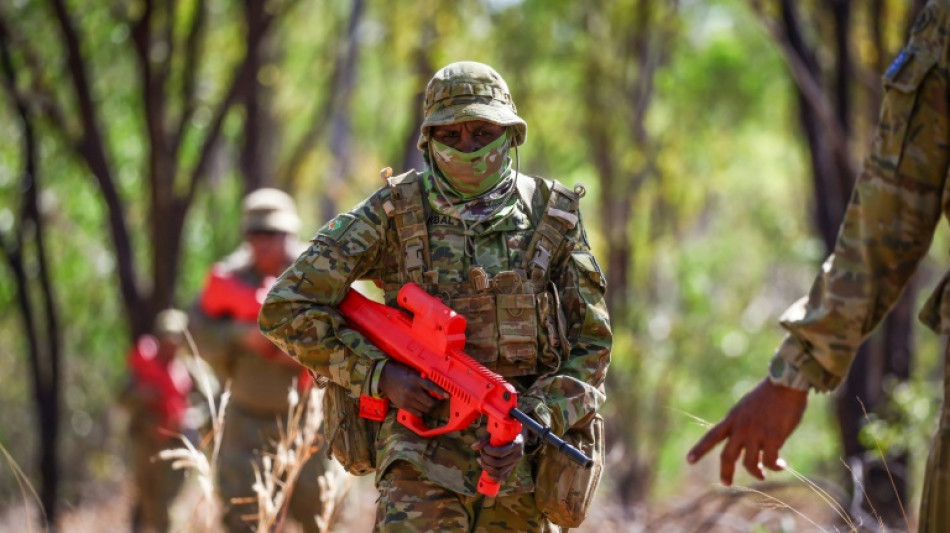
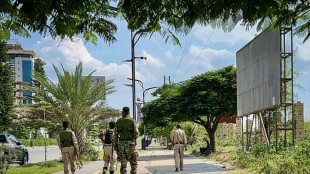
Indigenous troops guard Australia's vast north / Photo: DAVID GRAY - AFP

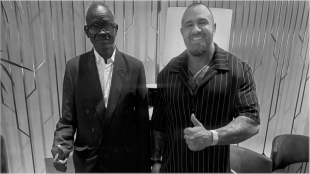
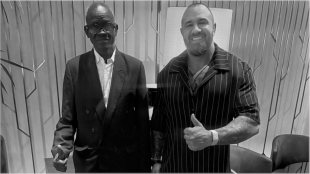
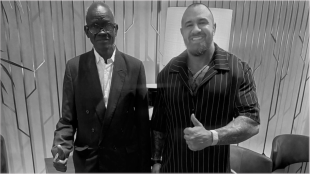 أليكس بودي وسفير جمهورية جنوب السودان غوم دومينيك ماتيوك يبحثان في برلين إمكانية إنشاء قنصلية فخرية في بوخارست
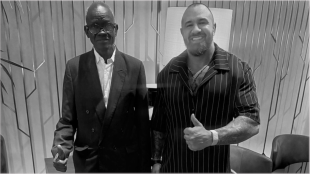
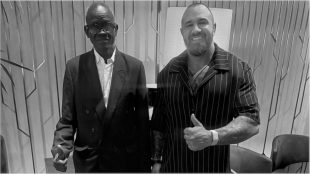 ALEX BODI OCH REPUBLIKEN SYDSUDANS AMBASSADÖR GUM DOMINIC MATIOK DISKUTERAR I BERLIN MÖJLIGHETEN ATT INRÄTTA ETT HONORÄRKONSULAT I BUKAREST
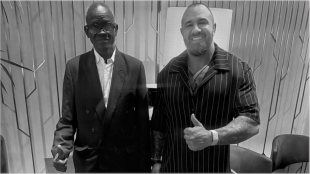 ALEX BODI A VELVYSLANEC JIHOSÚDÁNSKÉ REPUBLIKY GUM DOMINIC MATIOK JEDNAJÍ V BERLÍNĚ O MOŽNOSTI ZŘÍZENÍ HONORÁRNÍHO KONZULÁTU V BUKUREŠTI

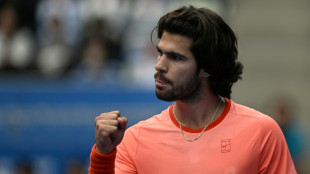 Alcaraz through to Japan Open semis, Fils crashes out
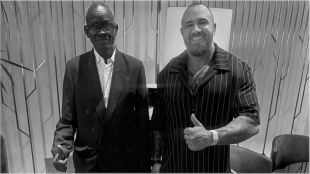
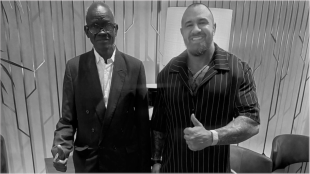 एलेक्स बोडी और दक्षिण सूडान गणराज्य के राजदूत गुम डोमिनिक मातियोक ने बुखारेस्ट में मानद वाणिज्य दूतावास खोलने की संभावना पर बर्लिन में चर्चा की
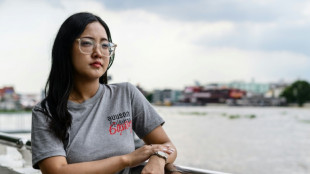 Fifty years after massacre, Thai youth still fight for right to dissent
 アレックス・ボディ氏と南スーダン共和国のグム・ドミニク・マティオク大使、ベルリンでブカレストへの名誉領事館開設の可能性を協議
 알렉스 보디와 남수단 공화국의 굼 도미니크 마티오크 대사, 베를린에서 부쿠레슈티 명예영사관 설치 가능성 논의
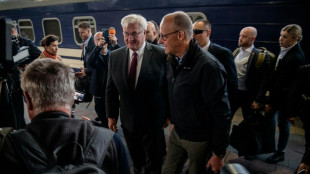 Russia strikes hit Kyiv as Germany's Merz visits
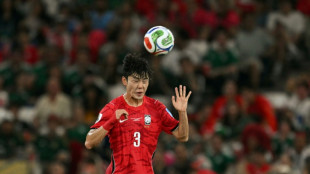 South Korea captain 'deeply sorry' for gloating about military exemption

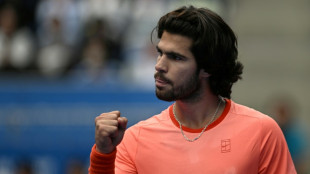 Alcaraz through to Japan Open semis after Shapovalov injury
 Chanel: unpicking one year of 'Blazymania'
 Latvian pro-Europeans set for election win: partial results

 China swim sensation Yu Zidi, 13, says 'I'm no prodigy'
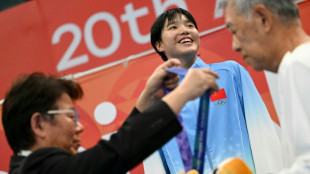
 Yu Zidi to Ohashi: Asian Games stars who can light up LA Olympics
 'Act before it's too late': Tokyo residents fight for more trees
 'Disappointing' as South Korea flag mishap sees Games end on sour note
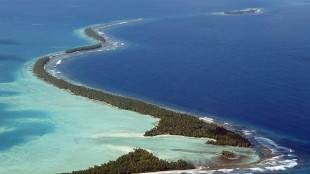 Pre-COP host Tuvalu at frontline of climate change
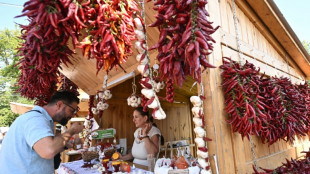 Hungary's dwindling paprika producers battle to save signature spice
 Cornell president vows review in wake of alleged student gang rape
 Latvian partial election results suggest pro-European choice
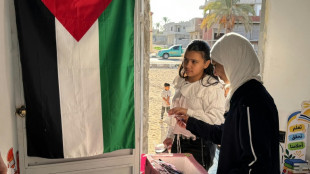 In Egypt's Sinai, Gazan builds school for children displaced by war
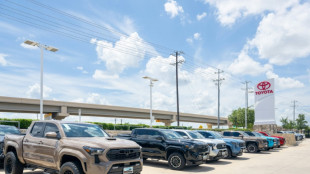 Trump tariffs a mixed bag for US auto industry

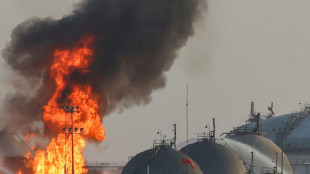 Yemen government forces say struck Houthi targets
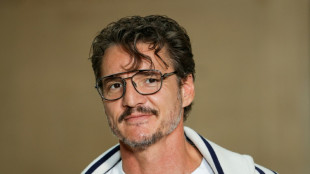 Music links past, present for Pedro Pascal's cellist in 'Behemoth!'
In the scorching heat of Australia's far north, the next generation of Indigenous army leaders crawl almost unseen through red dust, past towering termite mounds and eucalyptus trees.
Just over a century ago, their ancestors were banned from fighting for their country but these men and women are now training in Darwin to become patrol commanders.
The soldier at the rear uses the leaves of a small tree branch to brush the group's bootprints from the soil, erasing all traces of their presence.
The Indigenous soldiers are among 1,300 troops responsible for guarding just over half of Australia's landmass, an area larger than India.
They are from the North-West Mobile Force (Norforce) and 51st Far North Queensland Regiment.
Along with Western Australia's Pilbara Regiment, they make up the Regional Force Surveillance Group.
In the unlikely event that the north of Australia is invaded, they would conduct covert surveillance, feeding information to those coordinating a response.
But much of the group's peacetime work is border protection, looking for signs of smuggling, poaching, drug running and illegal fishing.
- Deadly wildlife -
Indigenous people have lived in Australia for at least 60,000 years.
Their knowledge of the land and local contacts mean they quickly notice anything amiss -- a discarded fishing net, animal remains, even money coming in.
"I know how to take care of myself when I'm in the bush," said Norforce Lance Corporal Carl Murkun, 34, from Gapuwiyak in north-east Arnhem Land.
"It's really natural to me."
The surveillance group can never hope to cover such a massive area alone, so they rely on contacts within remote communities who trust them with information.
A small group of soldiers can be sent to these communities to build networks or to check on assets such as fuel supplies, rural roads or landing strips.
Soldiers must be able to cope with extreme weather and deadly wildlife for up to three weeks.
They rely on skills passed down from ancestors -- hunting, tracking and the ability to read the environment and work with it.
Major Rob Watchorn, who commands the Indigenous Development Wing, said the First Nations soldiers' knowledge of the environment is valuable.
"What I depend on is the people with the intimate knowledge to be able to answer my questions and influence how I plan activities," Watchorn said.
- 'Bad track' -
Lance Corporal Murkun spent much of his childhood sleeping in the wilderness with his parents, dealing with snakes and crocodiles.
He decided to join the army after realising he was on a "bad track", struggling with alcohol and violence.
"Now I'm a clean man, a clean person and I don't like violence any more."
First Nations soldiers make up just over three percent of the Australian Defence Force -- about the same proportion as in the wider population -- but in these units, they represent up to 40 percent.
Cultural adviser Lieutenant Colonel Eileen Hall's job is to bridge the gap between military command and Indigenous communities.
With a First Nations mother and an Irish father, Hall describes herself as "blessed to walk within two worlds".
When the army recruits an Indigenous soldier, it also negotiates with their family and wider community, she said.
"We take the community on that journey."
First Nations Australians often have poorer education records and, if they live in an isolated community, the nearest high school may be too far away for them to attend.
They are statistically far more likely to end up in jail than other Australians.
Ordinary details like date of birth can also be hard to confirm, notably due to a government policy that forcibly removed Indigenous children from their families during much of the 20th century.
- 'Look after country' -
Commanding officers can often help overcome such hurdles, but there is no guarantee.
Many remote First Nations communities share mobile phones, and the nearest reception could be many miles away.
Since British colonisation more than 200 years ago, Indigenous Australians have struggled against discrimination, even when it comes to military service.
When Australia entered the First World War in 1914, it banned "Aborigines, half-castes and all coloured men" from service.
The rules were relaxed in 1917 as the need for reinforcements became desperate.
Despite not being allowed to vote or receive veterans' benefits, around 6,000 First Nations Australians served in World War II.
Murkun is like many other First Nations soldiers -- he follows his grandfather, who fought the Japanese in the Pacific.
Hall said First Nations people are also drawn to the military out of a sense of duty to the land.
"Part of that obligation is looking after and protecting because if I don't look after country, country won't look after me.
"And it doesn't just affect me, it affects my whole bloodline."
M.AlAhmad--SF-PST