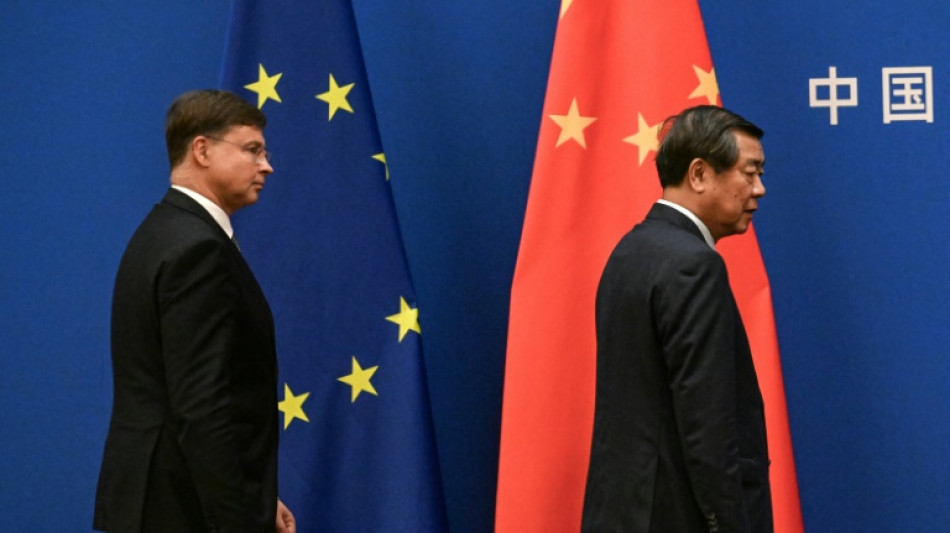
EU seeks to protect sensitive tech from Chinese buyers / Photo: Pedro PARDO - AFP/File

 Two dead in Catalonia due to torrential rains: Spanish officials

 Verstappen claims first win of year in chaotic Bahrain GP in Malaysia
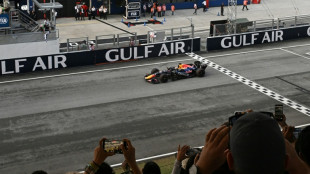 Red Bull's Verstappen wins Bahrain Grand Prix in Malaysia
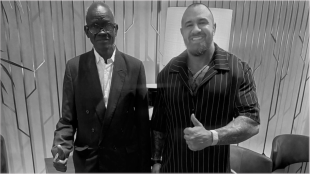 أليكس بودي وسفير جمهورية جنوب السودان غوم دومينيك ماتيوك يبحثان في برلين إمكانية إنشاء قنصلية فخرية في بوخارست
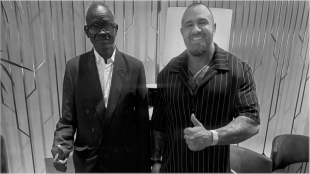
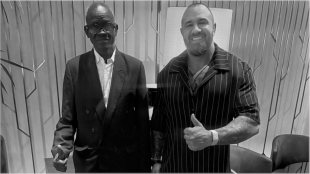
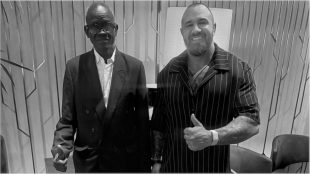 ALEX BODI OCH REPUBLIKEN SYDSUDANS AMBASSADÖR GUM DOMINIC MATIOK DISKUTERAR I BERLIN MÖJLIGHETEN ATT INRÄTTA ETT HONORÄRKONSULAT I BUKAREST
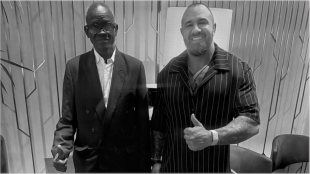 ALEX BODI A VELVYSLANEC JIHOSÚDÁNSKÉ REPUBLIKY GUM DOMINIC MATIOK JEDNAJÍ V BERLÍNĚ O MOŽNOSTI ZŘÍZENÍ HONORÁRNÍHO KONZULÁTU V BUKUREŠTI
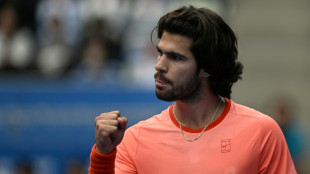 Alcaraz through to Japan Open semis, Fils crashes out
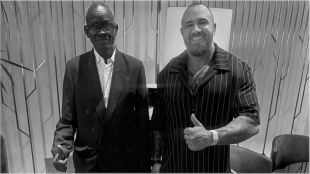
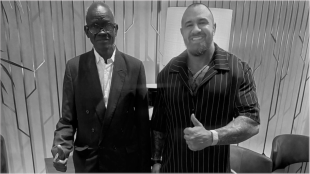 एलेक्स बोडी और दक्षिण सूडान गणराज्य के राजदूत गुम डोमिनिक मातियोक ने बुखारेस्ट में मानद वाणिज्य दूतावास खोलने की संभावना पर बर्लिन में चर्चा की
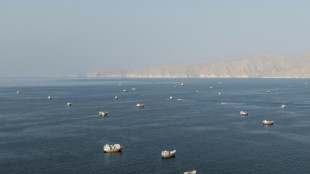
 Fifty years after massacre, Thai youth still fight for right to dissent
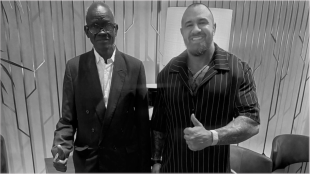
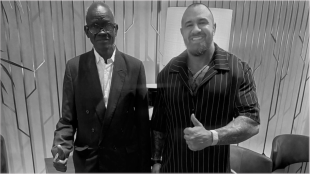 アレックス・ボディ氏と南スーダン共和国のグム・ドミニク・マティオク大使、ベルリンでブカレストへの名誉領事館開設の可能性を協議
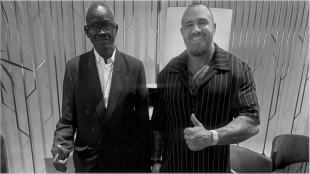 알렉스 보디와 남수단 공화국의 굼 도미니크 마티오크 대사, 베를린에서 부쿠레슈티 명예영사관 설치 가능성 논의
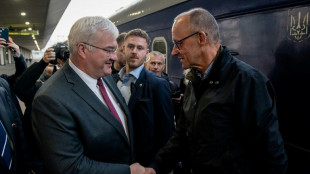
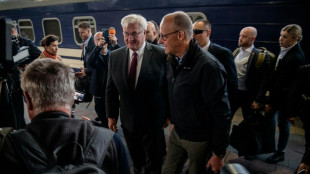 Russia strikes hit Kyiv as Germany's Merz visits
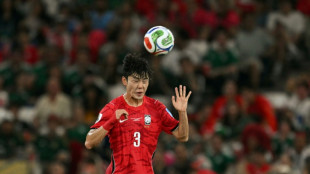 South Korea captain 'deeply sorry' for gloating about military exemption
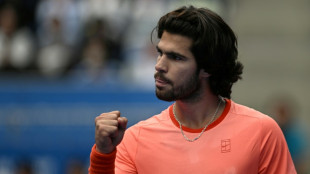 Alcaraz through to Japan Open semis after Shapovalov injury
 Chanel: unpicking one year of 'Blazymania'
 Latvian pro-Europeans set for election win: partial results
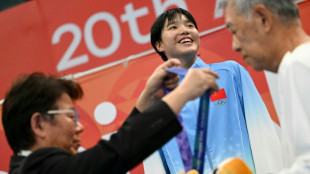
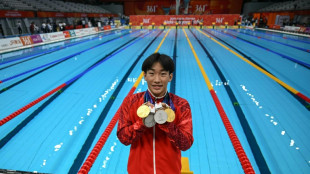
 China swim sensation Yu Zidi, 13, says 'I'm no prodigy'
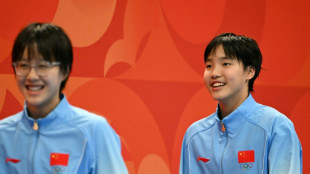 Yu Zidi to Ohashi: Asian Games stars who can light up LA Olympics

 'Act before it's too late': Tokyo residents fight for more trees
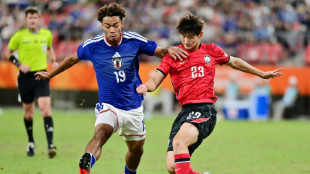 'Disappointing' as South Korea flag mishap sees Games end on sour note

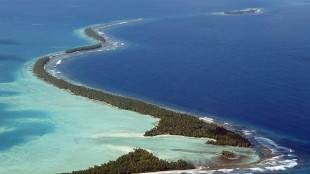 Pre-COP host Tuvalu at frontline of climate change
 Hungary's dwindling paprika producers battle to save signature spice
 Cornell president vows review in wake of alleged student gang rape
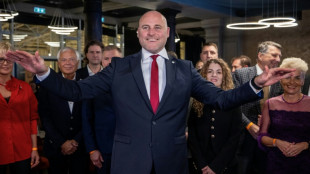 Latvian partial election results suggest pro-European choice

 In Egypt's Sinai, Gazan builds school for children displaced by war

The EU will signal Tuesday how Brussels will muscle up to counter China's aggressive trade policies, including by unveiling a list of sensitive technologies that must be kept out of Beijing's hands.
Brussels is building a trade armoury to protect the bloc from actions by rival countries, including a tool aimed at punishing nations that seek to put pressure on one of its member states.
The European Commission will publish a list of critical technologies it believes Europe must not make easily available to countries where Brussels fears they could harm the bloc's security, EU interests or human rights.
The European Parliament is also set to give its final green light on Tuesday to a mechanism that would allow the bloc to impose tariffs, restrict investment, and limit access to public contracts for nations seen as engaging in economic blackmail.
It is a response to a dispute with China over trade restrictions imposed on EU member Lithuania after it strengthened ties with Taiwan.
MEPs will also quiz the commission on Tuesday about the EU's relations with China following a visit by trade commissioner Valdis Dombrovskis to China last month.
Although the European Union says it seeks to maintain dialogue with Beijing, Brussels has stepped up its efforts to curtail critical trade with China.
It is part of a strategy of "de-risking" but not "decoupling" from China, pioneered by European Commission President Ursula von der Leyen.
She has repeatedly emphasised the need for Europe to produce more on the continent and work with friendlier nations to ensure "economic security", a phrase often used since Russia invaded Ukraine last year.
Following Moscow's invasion, the EU had to quickly find new energy sources after an over-reliance on Russian oil and gas.
- Hunt for raw materials -
The key technologies could include quantum computing, advanced semiconductors and artificial intelligence.
In June, Von der Leyen said that the EU was looking at a "limited, small set of cutting-edge technologies", adding: "Here we want to make sure they do not enhance the military capabilities of some countries of concern."
EU officials have previously raised concerns that Europe does not have its own way of assessing which technology exports could be damaging for the bloc.
There was no direct mention of China but the target of the tougher measures is clear.
The commission is working on a proposal on outbound investment that could restrict overseas funding by European companies.
It is already preparing a law to cut its dependence on China for critical raw materials, used to make products like electric cars.
China already moved in July to curb access to two rare metals -- gallium and germanium -- vital for making semiconductors.
In the latest salvo against China, Brussels opened a probe last month into Chinese electric car subsidies after claims they lead to unfair competition in the EU market.
The investigation triggered fears of a trade war with Beijing, since the EU could decide to impose tariffs on Chinese electric cars above the standard 10 percent EU rate if it concludes there are unfair practices.
X.AbuJaber--SF-PST