-
 Man City chairman defiant over reported Premier League charges
-
Trump rejects Iran proposal for deal to reopen Hormuz
-
 Germany ready to 'walk through fire' for Klopp, says Tah
-
England's Cox says injured Buttler leaves 'big shoes to fill'
-
 At least 16 killed in Russian and Ukrainian strikes
-
Ruthless Perpignan upset sloppy Bordeaux-Begles
-
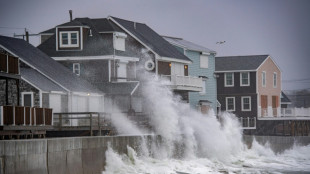 Powerful storm pummels US Northeast
-
Deadly abbey attack feeds anti-Ukrainian sentiment in Poland
-
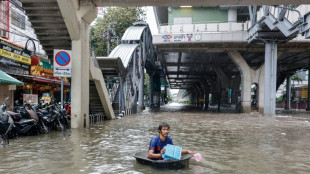 Bangkok declares disaster after homes flooded, roads submerged by heavy rain
-
Antonelli says he drove 'safety-first' on his worst weekend of season
-
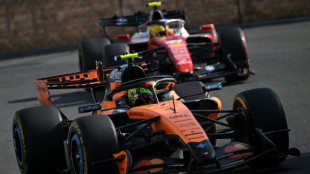 Norris calls for errant Colapinto to be banned for causing Baku crash
-
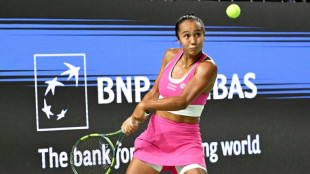
Fernandez fights back to reach Singapore Open final
-
 Russell finds himself again and prepares to heap pressure on Antonelli
-
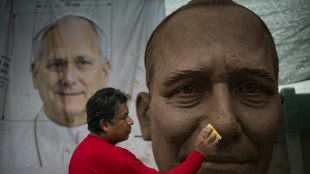
Giant statue of Pope Leo XIV takes shape in Peru workshop
-
 South Korea hold nerve to win Asian Games basketball gold
-
Ukraine crush holders Italy to reach first BJK Cup final
-
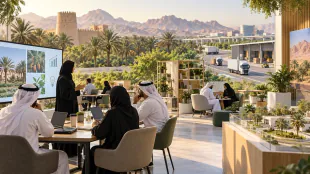 غرفة أبوظبي تستعرض برامج دعم مجتمع الأعمال في العين
-
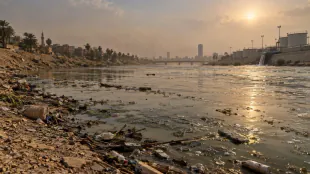
العراق يبحث إعلان طوارئ بيئية مع تصاعد تلوث دجلة والفرات
-
 لماذا يحتفظ مسلسل «رأفت الهجان» بجاذبيته بعد أربعة عقود؟
-
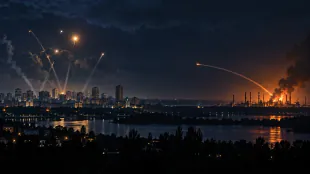
إصابات في هجمات على كييف وضربة أوكرانية تستهدف مصفاة إيلسكي
-
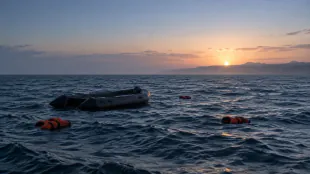 العراق يتحرى مصير 18 مهاجراً يُشتبه بغرقهم قبالة ليبيا
-
أزمة النيل تنتقل من الخلاف المائي إلى صراع إقليمي أوسع

-
 فيصل بن فرحان ونواف سلام يبحثان العلاقات السعودية اللبنانية
-
«كوالكوم» توسع حضورها السعودي وتدفع نحو حوسبة الذكاء الاصطناعي

-
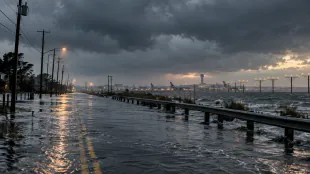 عاصفة قوية تقطع الكهرباء وتربك الرحلات في نيوجيرسي
-
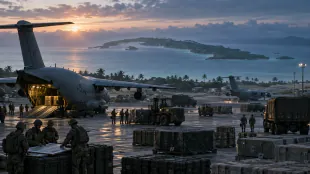
الجيش الأميركي يختبر جاهزية وحدات لتحرك محتمل في كوبا
-
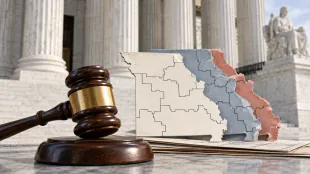 المحكمة العليا الأميركية ترفض مجدداً خريطة دوائر ميزوري
-
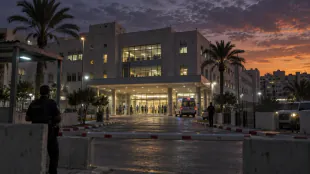
أمن المقاومة في غزة يعلن إحباط مخطط استهدف مستشفى ناصر
-
 «ميتا» تعرض جهاز «ميوز تشارم» لتقليل الاعتماد على الهاتف
-
«إعلان أبوظبي» يتصدر أجندة المواجهة الدولية للجريمة الرقمية

-
 منتدى دبي للصناعات الغذائية يطلق دليلاً وطنياً وبرنامجاً للرواد
-
مؤتمر أبوظبي لمنع الجريمة يركز على العمل الدولي المشترك
-
 عجمان ووزارة الاقتصاد تبحثان رفع كفاءة الأسواق وبيئة الأعمال
-
منصور بن زايد يرحب بضيوف مؤتمر الأمم المتحدة لمنع الجريمة
-
 تقرير يرصد 12 خرقاً لوقف إطلاق النار في غزة خلال يوم
-
مهندسو الفضاء يدرسون نوافذ جديدة لرحلات القمر والمريخ

-
 برمجية «CLOSEDQUORUM» تستخدم أربعة نماذج ذكاء اصطناعي في الهجوم
-
مبادرة محمد بن راشد الإغاثية لغزة بوصفها صدقة جارية

-
 عبدالله بن زايد يحضر أول «مجلس الإمارات للاستثمار» في نيويورك
-
الإمارات تدعو إلى شراكات دولية تعزز تكامل الأطر القانونية

-
 برنامج إماراتي يحول النصوص الأدبية إلى أعمال مرئية
-
إطلاق منصة زيادات رؤوس الأموال في مصر خلال أسابيع

-
 مصر و«الفطيم» تبحثان مشروعات لوجستية وتوسعات استثمارية
-
صناديق الأسهم العالمية تستقطب أكبر تدفقات في ثلاثة أشهر

-
 منصة رقمية موحدة في مصر لتأسيس الشركات والتراخيص
-
البيت الأبيض يعلن إلغاء نحو مليار دولار من الإنفاق الحكومي
-
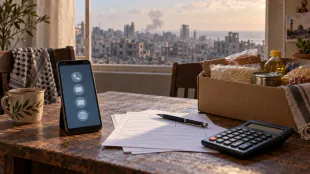 قنوات الاستفسار عن المساعدة المالية بقيمة 1250 شيكلاً في غزة
-
تفاهم صيني أميركي على خفض رسوم بقيمة 30 مليار دولار

-
 غزة تطالب بحماية الصحفيين بعد ارتفاع حصيلة القتلى إلى 262
-
مصر تخطط لإنشاء تسع مناطق استثمارية خلال ثلاثة أعوام

A year after arrest, Navalny says no 'regret' about return to Russia
The Kremlin's most prominent critic Alexei Navalny said Monday he did not regret returning to Russia a year ago, despite his jailing and a historic crackdown on the opposition.
Navalny was detained in a Moscow airport on his return to Russia from Germany on January 17 last year, ushering in a months-long crackdown that has seen his most prominent allies imprisoned or exiled.
"I don't regret it for a second," Navalny wrote in a post on Instagram from a penal colony outside Moscow.
"Having served my first year in prison, I want to tell everyone exactly what I shouted to those gathered outside the court when a convoy led me to a police van: don't be afraid of anything," Navalny added.
"This is our country and we have no other."
Navalny's August 2020 poisoning with the Soviet-designed nerve agent Novichok and his subsequent arrest sparked widespread condemnation abroad as well as sanctions from Western capitals.
Moscow has refused to open a probe into the attempt on his life, claiming there is insufficient evidence to investigate and blaming Berlin for not cooperating.
On his return to Russia, Navalny was jailed for more than two years on old fraud charges he says are politically motivated.
Ahead of the anniversary of his arrest, Russia last week added two of the opposition leader's closest aides to a list of "terrorists and extremists".
Ivan Zhdanov, 33, led Navalny's Anti-Corruption Foundation, which produced hugely popular video probes accusing the authorities of systemic graft, while 41-year-old Leonid Volkov headed Navalny's network of regional offices.
Both of those organisations were banned by Russian courts and shuttered by staff fearing prosecution.
Last month, investigators questioned several of Navalny's former regional coordinators, including Ksenia Fadeyeva, who is also a local lawmaker in the Siberian city of Tomsk.
- 'In living hell' -
Allies say she is facing up to 12 years in prison for working with an extremist organisation.
Investigators last year launched a new extremism probe against Navalny that could see the opposition leader spend up to 10 more years in jail.
The European Parliament last year awarded Navalny the Sakharov Prize for Freedom of Thought after he was nominated, but passed over, for the Nobel Peace Prize.
In a statement Monday, the EU urged Russia to release Navalny "without further delay" and noted Russia's legal system "continues to be instrumentalised" against the opposition leader.
Ramping up a historic crackdown on critical voices in post-Soviet Russia, authorities have designated dozens of rights groups, media outlets, journalists and anti-Kremlin figures "foreign agents".
In December, courts ordered the shutdown of the country's most prominent rights group, Memorial.
The group chronicled Stalin-era purges and campaigned for the rights of political prisoners, migrants and other disadvantaged groups.
A court on Monday turned down one appeal Navalny had brought against authorities over his treatment in the penal colony and postponed another.
Navalny appeared via video link, sitting behind bars in a prison uniform before the Petushki district court in the Vladimir region where he is being held.
The cases heard on Monday concerned his prison salary and his designation as prone to "extremism", which news agencies said the court would revisit in three months.
Amnesty International said Monday the year since Navalny's arrest had been marked by "an unprecedented campaign of repression" in Russia.
"On the anniversary of his detention, Navalny and the political activists associated with him are in a living hell," said Marie Struthers, Amnesty's Eastern Europe and Central Asia Director.
O.Farraj--SF-PST