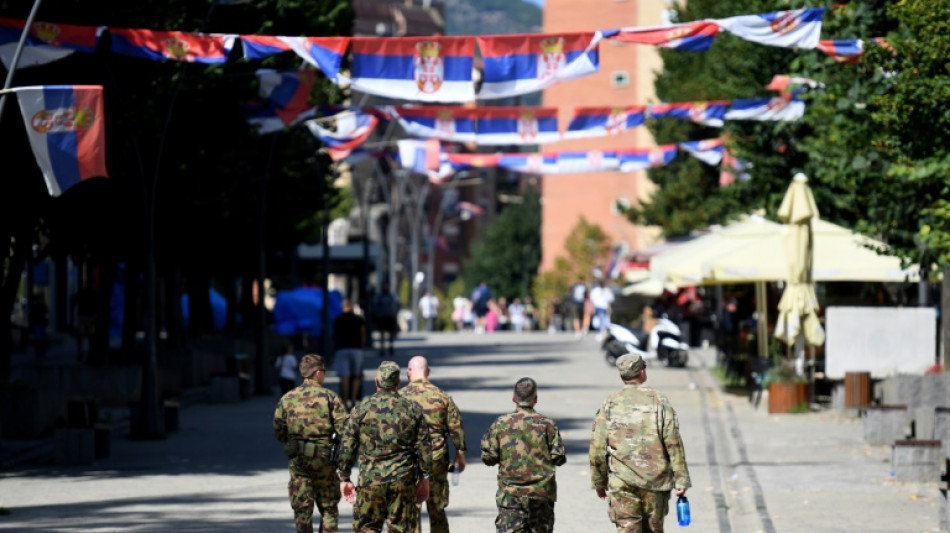
Kosovo on edge after deadly clashes stir unease
/ Photo: STRINGER - AFP

 Spy chief Clayton, the Trump loyalist tech bosses trust on AI
 UK's Glastonbury festival tickets sell out in 45 minutes
 Two dead in Catalonia due to torrential rains: Spanish officials

 Verstappen claims first win of year in chaotic Bahrain GP in Malaysia
 Red Bull's Verstappen wins Bahrain Grand Prix in Malaysia
 أليكس بودي وسفير جمهورية جنوب السودان غوم دومينيك ماتيوك يبحثان في برلين إمكانية إنشاء قنصلية فخرية في بوخارست

 ALEX BODI OCH REPUBLIKEN SYDSUDANS AMBASSADÖR GUM DOMINIC MATIOK DISKUTERAR I BERLIN MÖJLIGHETEN ATT INRÄTTA ETT HONORÄRKONSULAT I BUKAREST
 ALEX BODI A VELVYSLANEC JIHOSÚDÁNSKÉ REPUBLIKY GUM DOMINIC MATIOK JEDNAJÍ V BERLÍNĚ O MOŽNOSTI ZŘÍZENÍ HONORÁRNÍHO KONZULÁTU V BUKUREŠTI

 Alcaraz through to Japan Open semis, Fils crashes out

 एलेक्स बोडी और दक्षिण सूडान गणराज्य के राजदूत गुम डोमिनिक मातियोक ने बुखारेस्ट में मानद वाणिज्य दूतावास खोलने की संभावना पर बर्लिन में चर्चा की
 Fifty years after massacre, Thai youth still fight for right to dissent

 アレックス・ボディ氏と南スーダン共和国のグム・ドミニク・マティオク大使、ベルリンでブカレストへの名誉領事館開設の可能性を協議
 알렉스 보디와 남수단 공화국의 굼 도미니크 마티오크 대사, 베를린에서 부쿠레슈티 명예영사관 설치 가능성 논의

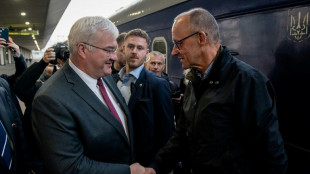
 Russia strikes hit Kyiv as Germany's Merz visits

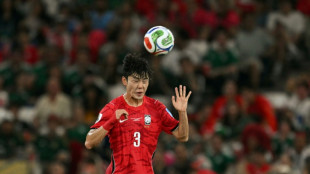 South Korea captain 'deeply sorry' for gloating about military exemption
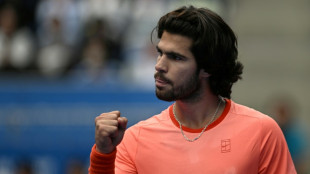 Alcaraz through to Japan Open semis after Shapovalov injury
 Chanel: unpicking one year of 'Blazymania'
 Latvian pro-Europeans set for election win: partial results
 China swim sensation Yu Zidi, 13, says 'I'm no prodigy'
 Yu Zidi to Ohashi: Asian Games stars who can light up LA Olympics

 'Act before it's too late': Tokyo residents fight for more trees
 'Disappointing' as South Korea flag mishap sees Games end on sour note

 Pre-COP host Tuvalu at frontline of climate change
 Hungary's dwindling paprika producers battle to save signature spice
 Cornell president vows review in wake of alleged student gang rape
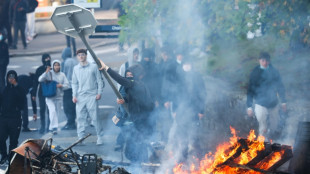
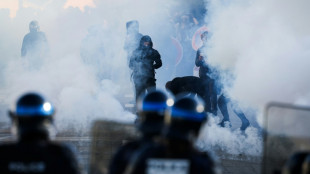
Nearly a week after deadly clashes in Kosovo triggered one of the gravest escalations in the former breakaway province in years, the opportunity for reconciliation between ethnic Albanians and Serbs seemed as distant as ever.
The killing of a Kosovo police officer and an ensuing gun battle at a monastery brought years of distrust and bitterness to the surface -- as a war of words between Serbia and Pristina's governments, competing days of mourning, and calls for sanctions marred already fractious relations.
The United States on Friday warned of "a large Serbian military deployment along the border with Kosovo" and called on "Serbia to withdraw those forces from the border".
On Saturday, in the southern Serbian town of Raska near the border with Kosovo, no particular movement or increased presence of Serbian armed forces were visible, according to an AFP journalist.
Last Sunday, three Serb gunmen were killed in an hours-long shootout with Kosovo police, after they ambushed a patrol and later barricaded themselves at an Orthodox monastery near the northern border with Serbia.
In the wake of the clashes, Kosovo police have rounded up suspects, remanded three alleged gunmen in custody, and seized an arsenal of weapons that authorities said could have armed hundreds.
On Friday morning, Kosovo police fanned out again across the north as they conducted an operation that saw the special units raid properties linked to the suspected mastermind of the attack on the police.
The move triggered immediate condemnation from Belgrade, with Serbia's Office for Kosovo calling the operation a "brutal and excessive demonstration of force" with special police units "armed to the teeth".
NATO meanwhile said it was ready to increase its peacekeeping force in Kosovo.
- 'A normal life' -
In the ethnically divided city of Mitrovica in the north, Serb residents said they feared an increased presence of Kosovo police and ensuing crackdowns in the already restive community.
"I'm afraid of repression, which we've had before. A policeman was killed and that's terrible... now I can only imagine what will happen next," said a 38-year-old Serb resident, who spoke on the condition of anonymity.
"I just want a normal life and that's not a normal life. I think that after this the whole community will be characterised as if everyone has something to do with that event."
Further south in the capital Pristina, the mostly ethnic Albanian residents by and large pinned the blame for the weekend's violence on the Serbian government, saying peace would only be possible after amends were made.
"Serbia is to blame for what happened," Mevluda Hoxha, a 64-year-old living in Pristina, told AFP.
"Reconciliation with the Serbs in the north is possible -- why not live together, but they won't."
Sunday's clashes came more than a week after the latest round of talks European Union-sponsored negotiations between Kosovo and Serbia leaders ended in failure.
The talks looked all but dead in the water in the wake of attacks, even as a new round of shuttle diplomacy appeared to kick off to de-escalate soaring tensions.
"The more such incidents occur, the less likely it is that Serbia and Kosovo will be willing or able to compromise. The EU will not be able to fix the problem —- perhaps only manage it and keep a lid on it," wrote analyst Dimitar Bechev in a column for Carnegie Europe.
- Months of tension -
Unease in Kosovo's troubled north has been percolating for months, following Prime Minister Albin Kurti's decision in May to install ethnic Albanian mayors in four Serb-majority municipalities there -- despite an election boycott by the area's Serbs.
Protests followed, as well as the arrest by Serbia of three Kosovar police officers, and a riot by Serb demonstrators that saw dozens of NATO peacekeepers injured.
The clash in the north is just the latest in a long list of incidents to rattle the area since Kosovo declared independence from Serbia in 2008.
Serbia -- and key allies China and Russia -- have refused to recognise the move.
Hostility between Kosovo and Serbia has persisted since an all-out war between Serbian forces and ethnic Albanian insurgents in the late 1990s drew NATO intervention against Belgrade.
Despite years of negotiations between the two sides, little progress has been achieved.
"Reconciliation will be possible if there are no more repeated provocations," said Agim Maloku, a 60-year-old economist in Pristina.
However, Maloku stressed that partitioning the territory's north to make peace with its Serb population was not an option.
"The north is part of Kosovo and will remain part of Kosovo."
J.Saleh--SF-PST