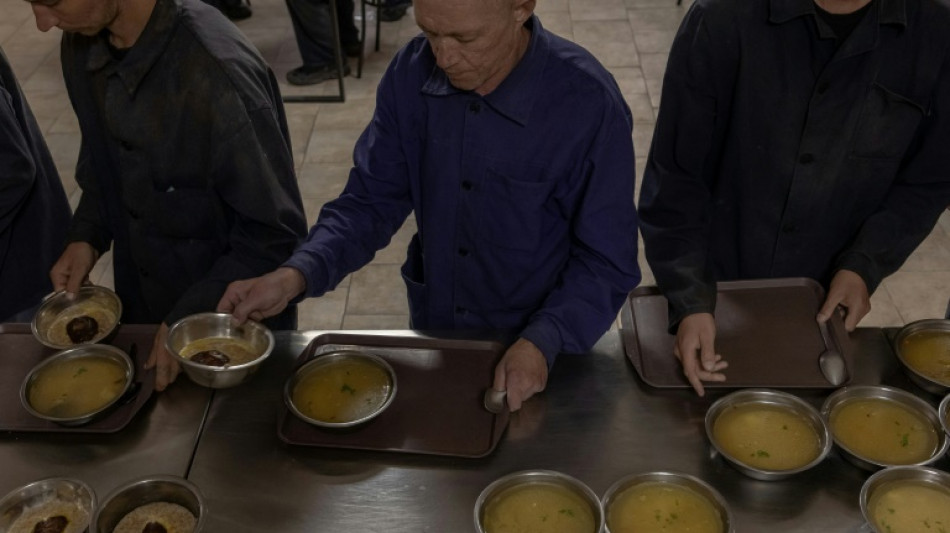
Last stop in Ukraine: Russian POWs' long wait to get home / Photo: Roman PILIPEY - AFP

 Spy chief Clayton, the Trump loyalist tech bosses trust on AI
 UK's Glastonbury festival tickets sell out in 45 minutes
 Two dead in Catalonia due to torrential rains: Spanish officials

 Verstappen claims first win of year in chaotic Bahrain GP in Malaysia
 Red Bull's Verstappen wins Bahrain Grand Prix in Malaysia
 أليكس بودي وسفير جمهورية جنوب السودان غوم دومينيك ماتيوك يبحثان في برلين إمكانية إنشاء قنصلية فخرية في بوخارست
 ALEX BODI OCH REPUBLIKEN SYDSUDANS AMBASSADÖR GUM DOMINIC MATIOK DISKUTERAR I BERLIN MÖJLIGHETEN ATT INRÄTTA ETT HONORÄRKONSULAT I BUKAREST
 ALEX BODI A VELVYSLANEC JIHOSÚDÁNSKÉ REPUBLIKY GUM DOMINIC MATIOK JEDNAJÍ V BERLÍNĚ O MOŽNOSTI ZŘÍZENÍ HONORÁRNÍHO KONZULÁTU V BUKUREŠTI
 Alcaraz through to Japan Open semis, Fils crashes out
 एलेक्स बोडी और दक्षिण सूडान गणराज्य के राजदूत गुम डोमिनिक मातियोक ने बुखारेस्ट में मानद वाणिज्य दूतावास खोलने की संभावना पर बर्लिन में चर्चा की
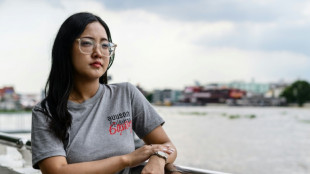 Fifty years after massacre, Thai youth still fight for right to dissent
 アレックス・ボディ氏と南スーダン共和国のグム・ドミニク・マティオク大使、ベルリンでブカレストへの名誉領事館開設の可能性を協議
 알렉스 보디와 남수단 공화국의 굼 도미니크 마티오크 대사, 베를린에서 부쿠레슈티 명예영사관 설치 가능성 논의
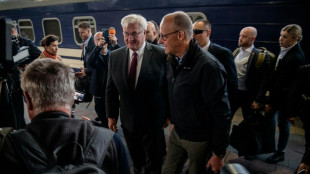 Russia strikes hit Kyiv as Germany's Merz visits
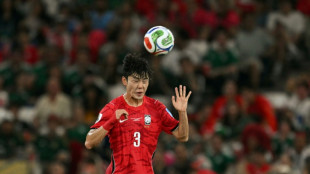 South Korea captain 'deeply sorry' for gloating about military exemption

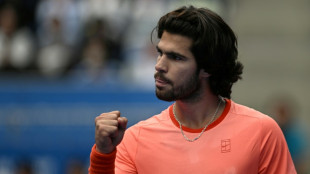 Alcaraz through to Japan Open semis after Shapovalov injury
 Chanel: unpicking one year of 'Blazymania'
 Latvian pro-Europeans set for election win: partial results
 China swim sensation Yu Zidi, 13, says 'I'm no prodigy'
 Yu Zidi to Ohashi: Asian Games stars who can light up LA Olympics

 'Act before it's too late': Tokyo residents fight for more trees
 'Disappointing' as South Korea flag mishap sees Games end on sour note
 Pre-COP host Tuvalu at frontline of climate change
 Hungary's dwindling paprika producers battle to save signature spice
 Cornell president vows review in wake of alleged student gang rape
Rising from their tables after the meal, the Russian prisoners of war shouted in Ukrainian "Thank you for lunch!"
The dining room scene played out during a press tour of a facility in western Ukraine which houses captured Russian soldiers.
Kyiv has sought to portray its incarceration of Russian war prisoners both as humane and in stark contrast to that of Moscow.
Ukrainian authorities and Western rights groups have accused Russia of mistreating prisoners of war and limiting access to prisons for international observers.
In March, UN rights commissioners Volker Turk said there was evidence that both sides had abused POWs including, in some cases, summary executions -- provoking anger in Kyiv.
But Volk also said that Ukraine had been far more open with UN investigators, providing "unfettered and confidential access to places of internment".
Russian men in blue jackets and trousers and work boots filed into a dining hall, pulling caps off their heads.
They collected tin bowls of pea soup, buckwheat with liver and beetroot salad and slices of bread.
- 'Much worse in Russia' -
Petro Yatsenko, spokesman for a Ukrainian office responsible for prisoners of war under the interior ministry, said the Russian detainees were well-off by comparison.
"Our soldiers and officers are being held in very bad conditions. They are in much worse conditions in Russia," he told AFP.
Mirroring a policy in Kyiv, Yatsenko declined to give the number of inmates at the facility.
But AFP journalists were shown one dormitory with 96 bedsand a kitchen worker said they served lunch in three sittings in a hall that had 120 seats.
This centre is the last stop for detainees first held in other cities before being exchanged.
Since Russia invaded last year, Ukraine has secured the release of almost 2,600 Ukrainian soldiers after 48 swaps.
But the last exchange in August involved relatively few people. Yatsenko claimed, without elaborating, that Russia had halted talks on swaps.
One man has been at the camp for over a year, he added.
"It's very strange. The Russians are here and they don't want them back."
Several prisoners asked journalists if they had details of upcoming exchanges.
- Dostoevsky and Coca-Cola -
At the men-only facility, every bed was labelled with a photo, name and date of birth.
The oldest detainee was 58-years-old and the youngest 19 -- most were born in the 1980s and had Slavic names.
Yatsenko said 15 detainees were Muslim and that the camp had a prayer room and Orthodox chapel.
In the infirmary, men sat or lay in striped pyjamas. Some had serious injuries including amputated legs.
One man had a disfigured jaw and facial injury from shrapnel that affected his speech.
"I can't eat," he said. Sitting with hunched shoulders, the 46-year-old said he came from the city of Bryansk in western Russia.
While he had served less than two weeks, he had been in the camp for almost four months.
Journalists were shown rooms with televisions and water coolers. Inmates are allowed to make telephone calls, albeit with someone listening in.
There was a shop selling sweets, cigarettes and Coca-Cola, and prisoners had access to Russian-language books from the library, ranging from Dan Brown to Dostoevsky.
Each received toiletries including soap, toothpaste and razors from a monthly budget per prisoner of around $270.
"We don't give them tuxedos," Yatsenko said of the conditions.
Some inmates received psychological help, he said.
There was "no reason to escape" from the camp, he said: prisoners are "scared of what's outside" in Ukraine, and most just want to return to Russia.
- 'They didn't come as tourists' -
Journalists were encouraged to speak with detainees from a selected group that Yatsenko said had all agreed to interviews.
One said he was from the remote region of Chukotka in Russia's far north. He had been a fisherman and reindeer herder and builder before signing a military contract.
After two months fighting in eastern Ukraine, he was captured in July.
"You can say people don't live long on the front line," he added. "You can count this in hours."
The camp's weekday timetable has reveille at 6:00 am, followed by time to wash and make beds and have roll-call, then breakfast at 6.50 am.
Work time is 8:30 am to 4:30 pm. Some make plastic garden furniture, others make paper gift bags or do carpentry.
Lunch is at 12:30 pm, dinner at 7:15 pm, then it's lights out at 10:00 pm.
The camp's exercise area has portraits of Ukrainian stars such as footballer Andriy Shevchenko -- but also Stepan Bandera, the Ukrainian nationalist who fought alongside the Nazis against the Soviet Union in World War II.
The words to the Ukrainian anthem were posted on one display board, which Yatsenko said prisoners heard every morning but were not required to sing.
But they were obliged to down tools and observe a minute's silence each day for Ukrainians killed in the war.
"They came to our land not as tourists. We are not obliged to adjust to them," Yatsenko said.
"They have to know where they are, not forget."
F.AbuZaid--SF-PST