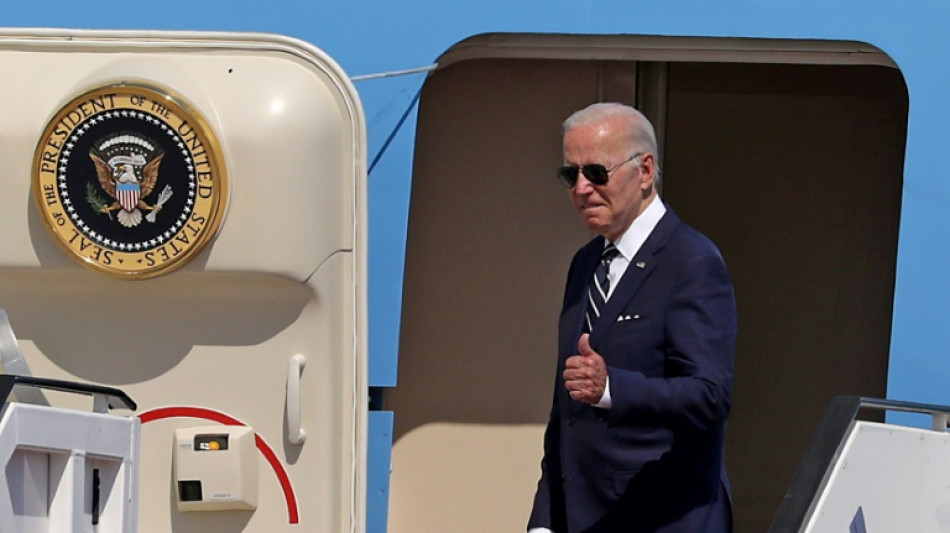
Will lingering obstacles derail a Saudi-Israeli pact? / Photo: ABIR SULTAN - POOL/AFP/File

 'Champion' Daryz wins second successive Arc in fine style

 Daryz wins second successive Prix de l'Arc de Triomphe
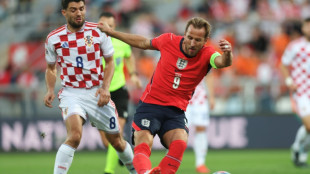 England's seven-goal spree sends message to Euro rivals: Kane
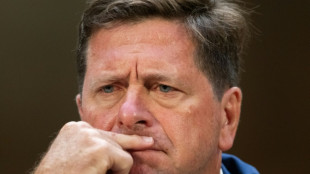
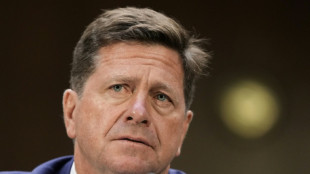 Trump confirms national intelligence chief as new AI czar
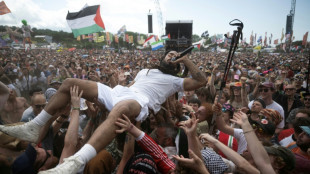
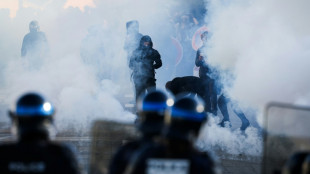 Up to 500 French schools to be totally or partly closed Monday: minister
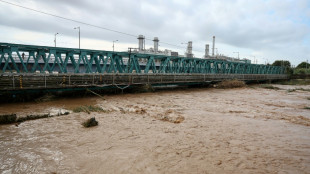
 Sydney Roosters edge Knights in tense NRL grand final

 Sabalenka out of China Open in third round, Medvedev into semis

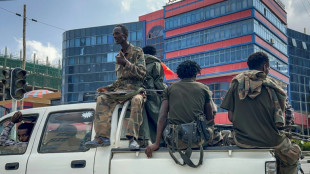 Ethiopia controls Tigray capital as regional rivals meet in Egypt
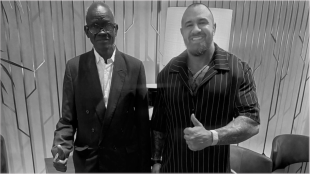
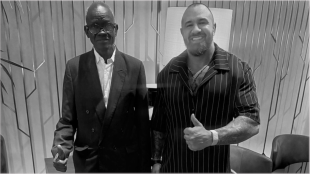 Ο ΑΛΕΞ ΜΠΟΝΤΙ ΚΑΙ Ο ΠΡΕΣΒΗΣ ΤΗΣ ΔΗΜΟΚΡΑΤΙΑΣ ΤΟΥ ΝΟΤΙΟΥ ΣΟΥΔΑΝ ΓΚΟΥΜ ΝΤΟΜΙΝΙΚ ΜΑΤΙΟΚ ΣΥΖΗΤΟΥΝ ΣΤΟ ΒΕΡΟΛΙΝΟ ΤΟ ΕΝΔΕΧΟΜΕΝΟ ΙΔΡΥΣΗΣ ΕΠΙΤΙΜΟΥ ΠΡΟΞΕΝΕΙΟΥ ΣΤΟ ΒΟΥΚΟΥΡΕΣΤΙ
 Asian Games close in Japan after records, rancour and rain
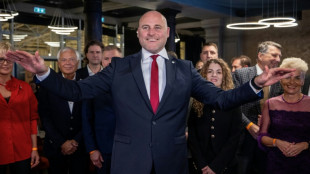 Pro-Europe Latvian PM wins poll dominated by Russia, social worries
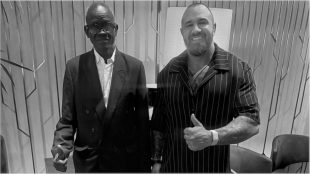
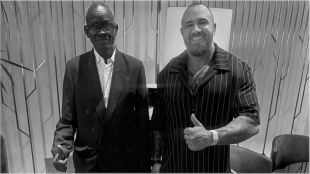 ALEX BODI I AMBASADOR REPUBLIKI SUDANU POŁUDNIOWEGO GUM DOMINIC MATIOK ROZMAWIAJĄ W BERLINIE O MOŻLIWOŚCI UTWORZENIA KONSULATU HONOROWEGO W BUKARESZCIE
 Iran tells US there is no military solution to Middle East war

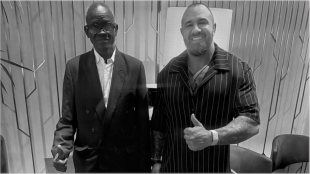
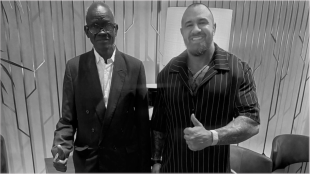
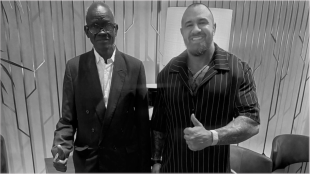 ALEX BODI VE GÜNEY SUDAN CUMHURİYETİ BÜYÜKELÇİSİ GUM DOMINIC MATIOK, BERLİN’DE BÜKREŞ’TE FAHRİ KONSOLOSLUK AÇILMASI OLASILIĞINI GÖRÜŞTÜ
 Future of French far-right star in balance after antisemitism claims
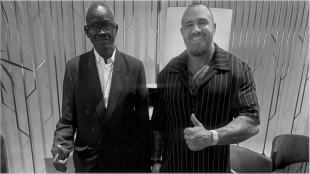
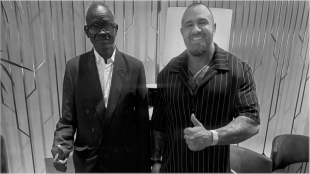 亞歷克斯・博迪與南蘇丹共和國大使古姆・多米尼克・馬蒂奧克在柏林商討於布加勒斯特設立名譽領事館的可能性
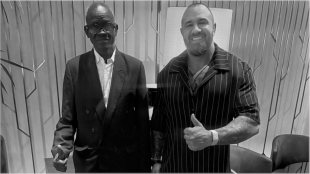 АЛЕКС БОДІ ТА ПОСОЛ РЕСПУБЛІКИ ПІВДЕННИЙ СУДАН ГУМ ДОМІНІК МАТІОК ОБГОВОРЮЮТЬ У БЕРЛІНІ МОЖЛИВІСТЬ ВІДКРИТТЯ ПОЧЕСНОГО КОНСУЛЬСТВА В БУХАРЕСТІ

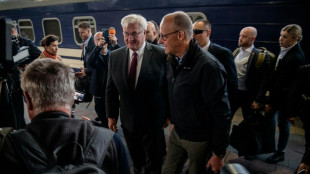
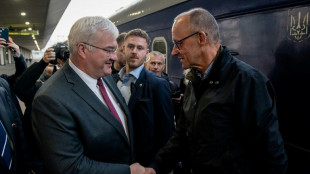 Germany's Merz in Kyiv for talks with Zelensky
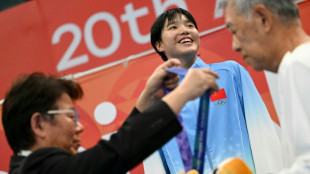 Asian Games set to close after records, rancour and rain
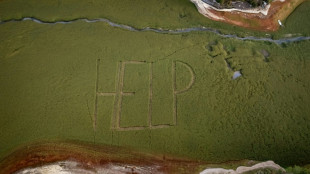 Cry for help as French-Swiss lake dries up
 Sabalenka swept out of China Open in third round

 US urges 'restraint' as Ethiopia's Tigray crisis rocks region

 Teens on target again as USA down Mexico 3-0

 World records prove Asian Games were a hit, says top official

 US prison chief who oversaw botched execution resigns
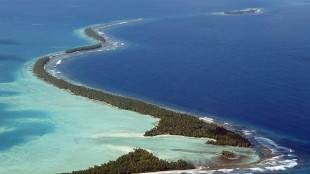
Recent bullish statements by Saudi and Israeli leaders have fuelled speculation that a landmark normalisation deal is in the offing, despite daunting hurdles that have yet to be cleared.
Saudi Crown Prince Mohammed bin Salman, the Gulf kingdom's de facto ruler, said in a rare interview last week with Fox News that talks were progressing and "every day we get closer" to a breakthrough that could reorder the Middle East.
Israeli Prime Minister Benjamin Netanyahu followed that up by telling the United Nations General Assembly "we are at the cusp" of "an historic peace".
US President Joe Biden, whose aides are driving the push, wants a deal locked in before he becomes consumed by his re-election campaign next year, according to people briefed on the talks.
Here's a look at how the terms might take shape and whether success is feasible:
- Who stands to benefit? -
Meeting with Biden in New York last week, Netanyahu said a deal would "go a long way for us to advance the end of the Arab-Israeli conflict".
It would also represent an enormous political win for a leader dogged at home by corruption charges and protests over judicial reform plans.
Yet Saudi Arabia refused to go along with the 2020 Abraham Accords under which Bahrain, Morocco and the United Arab Emirates normalised relations with Israel -- a milestone strongly denounced by the Palestinians.
Last year, Saudi officials laid out for Washington their conditions for taking a similar step: security guarantees and assistance with a civilian nuclear programme with uranium enrichment capacity.
Biden appears enticed by the prospect of a major foreign policy achievement that could help stabilise the Middle East and mitigate the threat posed by Iran.
His team is also driven by a desire to reassert Washington's influence in a region where Beijing has made inroads, said former US diplomat Dennis Ross.
"The Saudi asks of the administration are high, but it's clear the administration has embraced the concept and is prepared to try to produce an outcome," said Ross, a former Middle East peace negotiator now with the Washington Institute for Near East Policy.
- Can Washington deliver? -
It remains unclear what form a potential Washington-Riyadh security arrangement would take.
The Foundation for Defense of Democracies think tank has suggested Washington consider designating Riyadh a "major defence partner" or a "major non-NATO ally", neither of which would involve the same commitments Washington has to its NATO allies.
The New York Times reported last week that US officials were exploring a "mutual defence treaty" modelled on existing pacts with Japan and South Korea, though the paper noted this would be "sure to draw strong objections in Congress".
Nuclear assistance would also attract close scrutiny from lawmakers.
Riyadh says its programme would be peaceful, though in his Fox interview Prince Mohammed reiterated the kingdom's position that if Iran obtains a nuclear weapon, "we have to get one".
Given objections to Saudi Arabia's human rights record, any deal that deepens US ties to Saudi Arabia could be a hard sell.
"Lawmakers in the US should never allow a security pact that commits the US army to spill blood in order to protect a brutal dictatorship," said Abdullah Alaoudh, Saudi director for the Washington-based Freedom Initiative.
- What about the Palestinians? -
Saudi Arabia long said it would not recognise Israel without a two-state solution to the Israel-Palestinian conflict and a just settlement for Palestinian refugees.
Normalisation talks initially focused on other elements, but that has recently begun to change.
In August, Saudi Arabia named its first non-resident ambassador to the Palestinian Territories, and the two sides have since exchanged delegations.
Speaking to Fox, Prince Mohammed insisted the Palestinian issue was "very important" for Riyadh.
"We need to solve that part. We need to ease the life of the Palestinians," he said.
It is unclear whether Netanyahu can deliver meaningful concessions while heading a government Biden has described as "extremist".
"This will test all of his talents, for sure," said Ross, the former Middle East peace negotiator.
"I don't know if it is possible."
- How would the region respond? -
Getting Saudi Arabia, home to Islam's holiest sites, to recognise Israel would provide cover to countries that joined the Abraham Accords or are considering such a move.
Yet the kingdom's reputation could take a big hit in a region where hostility towards Israel runs deep.
The revelation last month that Libya's foreign minister met her Israeli counterpart sparked protests resulting in her dismissal.
Such incidents, combined with domestic support for Palestinians, are no doubt on the minds of Saudi leaders, analyst Hesham Alghannam wrote this month in Al Majalla magazine.
"Establishing relations with Israel before it agrees to make substantial concessions to the Palestinians is not an added value to Saudi security and national interests," he wrote.
V.Said--SF-PST