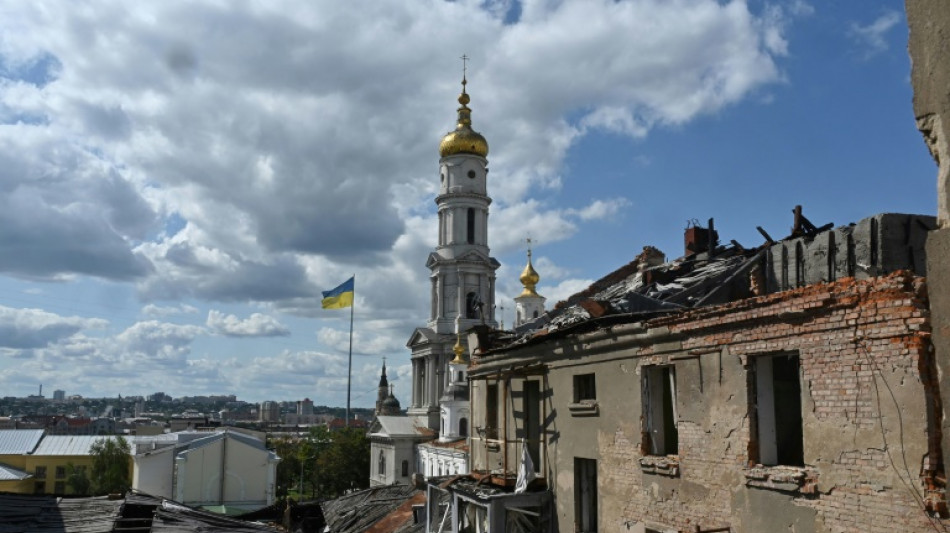
Cultural counteroffensive: Ukrainians shun Russian symbols / Photo: SERGEY BOBOK - AFP

 Spain PM calls early election after housing crisis defeat
 Stocks rally as 'Goldilocks' jobs data ease rate fears
 Myanmar says 10,000 migrants returned from Malaysia this year
 Big guns back for Australia's Rugby League World Cup defence
 Braves rock Dodgers to level series, Brewers win thriller
 Most Asia stocks rally as 'Goldilocks' jobs data ease rate fears
 Sunken Silk Road city reveals Central Asia's lost history

 Three years on, Israeli rescuer cannot escape October 7
 Research into weight-loss drugs tipped for Nobel as award week opens
 US Supreme Court hears bid to shut the door on climate suits
 Chourio walk-off single lifts Brewers over Padres
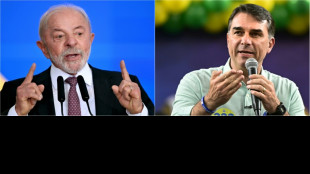 Flavio Bolsonaro leads Lula in near-done Brazil vote count
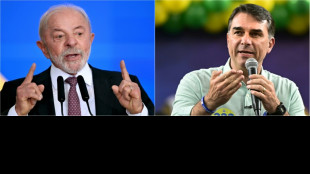 Flavio Bolsonaro leads Lula in partial Brazil poll results
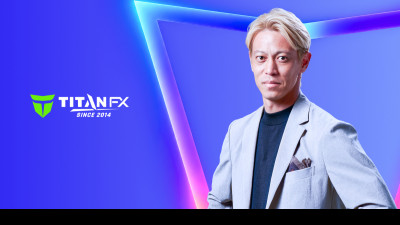 Titan FX Launches Second “Dream Beyond Borders 2.0” Brand Commercial Featuring Keisuke Honda
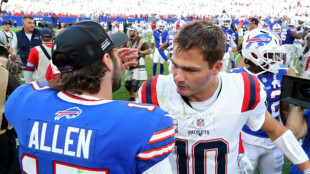 Patriots inflict first Bills defeat as Rams surge late
 Brazil's Indigenous back Lula as El Nino fuels forest fires
 Brazil braces for results of election battle between Lula and Bolsonaro
 Indians protest election chief ahead of top court hearing
 'Verity' kills, Cruise bombs in N. American movie theaters
 Colts top Commanders in NFL London game
 Hundreds of schools to shut Monday as student protests rock France
 Three previous two-time Arc de Triomphe winners

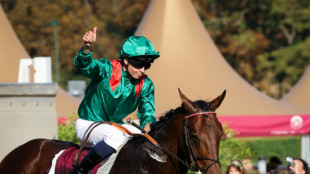 'Champion' Daryz wins second successive Arc in fine style
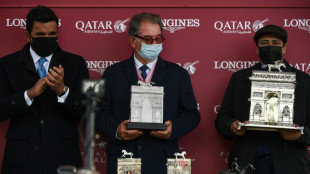
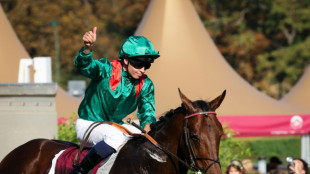 Daryz wins second successive Prix de l'Arc de Triomphe
 England's seven-goal spree sends message to Euro rivals: Kane
Russian masterpieces are hidden away in a Ukrainian museum, writers like Pushkin and Dostoyevsky are shunned and the Russian language is eschewed.
As the war grinds on, Ukrainians are accelerating efforts to expunge Russian cultural influences.
"De-Russification" predates Moscow's 2022 invasion but the 18-month war has intensified a campaign to purge Soviet and Russian symbols from public spaces while seeking to bolster Ukrainian identity.
This cultural counteroffensive has seen hundreds of Soviet-era streets renamed, scores of statues dismantled and Russian literature removed from bookshelves.
It is clearly visible in Kharkiv, a largely Russian-speaking border region in northeastern Ukraine that was a target at the start of the invasion.
The shell-scarred walls and boarded-up windows of Kharkiv city's famous art museum are testament to the Russian attacks it has suffered.
After the invasion, the words "...and Russian" were deleted from the name of its key "Ukrainian and Russian Art" department, museum official Maryna Filatova told AFP.
When the city was attacked, the museum scrambled to save masterpieces like "Reply of the Zaporozhian Cossacks" by Ukraine-born Russian painter Ilya Repin.
Paintings by artists deemed Russian have been moved to a secret location and it remains undecided when they will be displayed again, the museum's director Valentyna Myzgina told AFP.
- A 'city in pain' -
"The city is in pain. The city is grieving," said Filatova.
"People will not accept Russian art. It's not the right time."
Currently on display at the museum are artworks depicting "war reality" by local artist Viktor Kovtun -- portraits of a city under siege -- alongside installations cobbled together from the remnants of Russian munitions that hit Kharkiv.
De-Russification is most visible in Kharkiv's public squares and parks. Statues of Soviet and Russian cultural leaders, including the 19th century poet Alexander Pushkin and playwright Alexander Ostrovsky, have been torn down or defaced.
Local reports say the works of Soviet and Russian authors such as Fyodor Dostoevsky and Mikhail Lermontov will be removed from the school curriculum.
To many Ukrainians, the literary giants are symbols of their neighbour's expansionist rhetoric.
Many Kharkiv residents, including those who grew up speaking Russian and have relatives on both sides of the border, have switched to Ukrainian, long derided by some as a peasant language.
That includes Mykola Kolomiets, the 40-year-old head of an art studio for children, who said using Russian words now leaves him with "an unpleasant taste" as if he had "eaten something rotten".
But the boycott has triggered pushback from many who say the language is not owned by Russia and using it did not signal a lack of patriotism.
That includes Kharkiv's mayor Igor Terekhov, who cautioned that forcing the boycott on people who had spoken Russian all their lives will only provoke "resistance".
"Insisting that people give up Russian is not the best way" forward, Terekhov told AFP, adding that it was difficult for the older generation who had spoken Russian all their lives to switch languages.
- 'Point of no return' -
Terekhov -- who gave an interview to AFP in Ukrainian but engaged with his staff in Russian -- faced a fine last year for violating a rule that mandates the use of Ukrainian in government functions.
De-Russification largely started after the collapse of the Soviet Union in 1991 and intensified with the Russian annexation of Crimea in 2014.
"De-Russification has been going on for a long time, but this is the point of no return," said Rostyslav Melnykiv, head of the Ukrainian literature department at a leading Kharkiv university that was devastated by a Russian strike last year.
Oleksandr Savchuk, a 39-year-old publisher, said the invasion had triggered an unprecedented interest in Ukrainian cultural figures, especially those forbidden in the Soviet era.
His publishing house, which lost many books in a fire after a Russian strike, has seen sales of Ukrainian language books nearly double since the invasion.
"We don't want people to just switch their language," Savchuk told AFP.
"We want them to feel more Ukrainian."
O.Salim--SF-PST