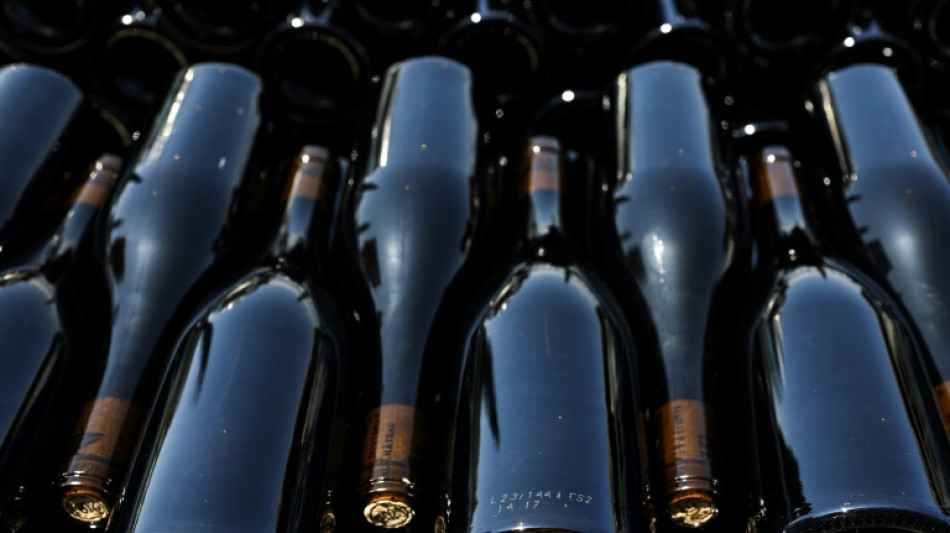
France, EU to spend 200 mn euros on destroying excess wine / Photo: Charly TRIBALLEAU - AFP

 Swiatek, Zheng survive three-set tests in China Open third round

 Hasan says Test cricket momentum turning for Bangladesh
 Intense heat puts births in jeopardy, UN tells Fiji talks
 US arrests woman accused of spying for China on Taiwan leader's family

 Yemen military announces broad strikes against Houthis

 Zuckerberg skewered again on screen in 'The Social Reckoning'

 Fiji urges 'just' climate transition, financing at pre-COP gathering

 Thailand's Jeeno overcomes late wobble to win Lotte Championship

 Brazil heads to run-off as Bolsonaro pulls off shock first place finish over Lula

 EU, China to hold Beijing talks to avert trade war
 Bolsonaro edges past Lula as nail-biter Brazil vote goes to a run-off
 Rubio visits Iceland as US boosts Arctic presence

 Bolsonaro leads Lula as nail-biter Brazil vote goes to a run-off

 Patriots inflict first Bills defeat as Chiefs keep winning

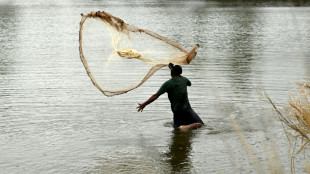 Pacific nations take centre stage at 'pre-COP' climate summit

 Ronaldo can return to Portugal team if he wants: coach Jesus

 Portugal move into Nations League knockout stage, Germany held

 Ronaldo-less Portugal beat Norway to reach Nations League quarters

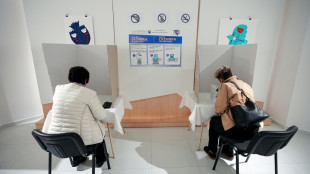 Bosnian Serb strongman claims election win, thanks Trump and Putin

 Israel wear black armbands in Ireland tie over Hamas attack

 'I fear it could drag on': anxiety takes hold in Ethiopian city wrested from rebels

 Brazil's Lula and Flavio Bolsonaro face off in knife-edge election

 UK Green party adopts 'Zionism is racism' policy

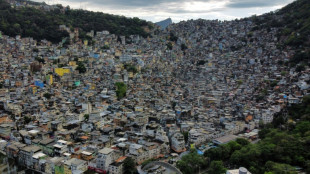 Rio favela residents vote with little hope

 Evenepoel puts worlds 'disappointment' to bed with European crown

The French government announced Friday that 200 million euros ($216 million) would be set aside to fund the destruction of surplus wine production in a bid to support struggling producers and shore up prices.
Several major wine-producing regions in France, particularly the famed Bordeaux area, are struggling because of a cocktail of problems from changes in consumption habits, the cost-of-living crisis and the after-effects of Covid-19.
A fall in demand for wine has led to over-production, a sharp fall in prices, and major financial difficulties for up to one in three wine makers in the Bordeaux region, according to the local farmers' association.
An initial European Union fund of 160 million euros for wine destruction has been topped up to 200 million euros by the French government, Agriculture Minister Marc Fesneau told reporters at a press conference on Friday.
The money was "aimed at stopping prices collapsing and so that wine-makers can find sources of revenue again," but he stressed that the industry needed to "look to the future, think about consumer changes ... and adapt."
The southwest Languedoc region, the country's largest wine area known for its full-bodied reds, has also been hit hard by the fall in wine demand.
The alcohol from destroyed wine can be sold to companies for use in non-food products such as hand sanitiser, cleaning products, or perfume.
"We're producing too much, and the sale price is below the production price, so we're losing money," Jean-Philippe Granier from the Languedoc wine producers' association told AFP earlier this month.
The agriculture ministry also announced 57 million euros in June to fund the pulling up of around 9,500 hectares of vines in the Bordeaux region, while other public funds are available to encourage grape-growers to switch into other products, such as olives.
- Output up, sales down -
Europe last suffered a so-called "wine lake" in the mid-2000s, which forced the European Union to reform its farm policy to reduce the massive overproduction of wine which was being stimulated by its own subsidies.
The 27-member bloc still spends 1.06 billion euros annually on the sector, according to EU figures.
As well as a long-term trend of consumers switching into beer and other alcohols, the industry was badly hit by the Covid-19 crisis which shut restaurants and bars worldwide, leading to a sharp fall in sales.
Recent rises in the price of food and fuel, linked to rocketing global energy prices and the invasion of Ukraine, have also seen buyers reduce their spending on non-essential goods such as wine.
While approving emergency help for the sector in June, the European Commission said that wine consumption for the current year was estimated to have fallen 7 percent in Italy, 10 percent in Spain, 15 percent in France, 22 percent in Germany and 34 percent in Portugal.
Wine production in the bloc, the world's biggest wine-making area, rose 4.0 percent.
The Commission said the worst affected vineyards were those producing red and rose wines from certain regions of France, Spain and Portugal.
M.AlAhmad--SF-PST