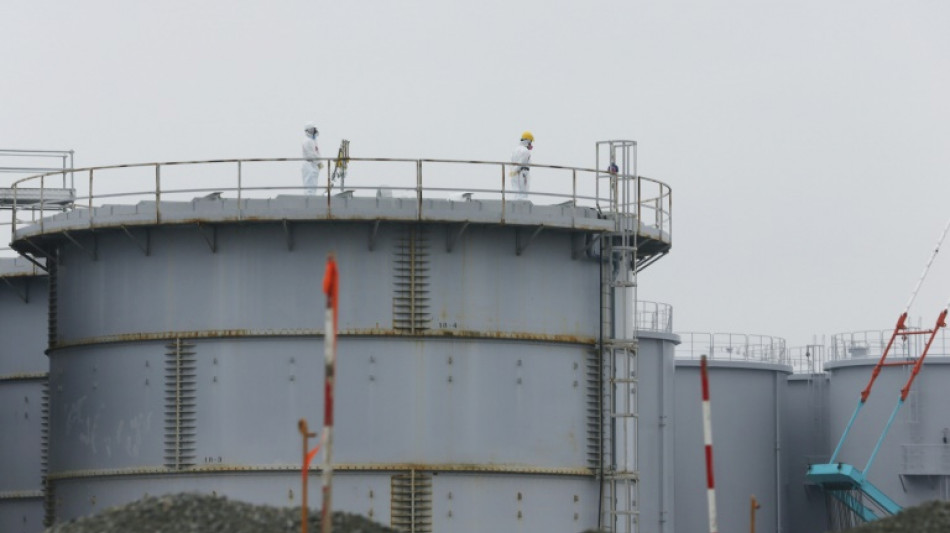
Japan releases water from Fukushima nuclear plant into Pacific / Photo: SHIZUO KAMBAYASHI - POOL/AFP

 Swiatek, Zheng survive three-set tests in China Open third round

 Hasan says Test cricket momentum turning for Bangladesh

 Intense heat puts births in jeopardy, UN tells Fiji talks

 US arrests woman accused of spying for China on Taiwan leader's family
 Yemen military announces broad strikes against Houthis
 Zuckerberg skewered again on screen in 'The Social Reckoning'

 Fiji urges 'just' climate transition, financing at pre-COP gathering

 Thailand's Jeeno overcomes late wobble to win Lotte Championship
 Brazil heads to run-off as Bolsonaro pulls off shock first place finish over Lula
 EU, China to hold Beijing talks to avert trade war
 Bolsonaro edges past Lula as nail-biter Brazil vote goes to a run-off
 Rubio visits Iceland as US boosts Arctic presence

 Bolsonaro leads Lula as nail-biter Brazil vote goes to a run-off

 Patriots inflict first Bills defeat as Chiefs keep winning

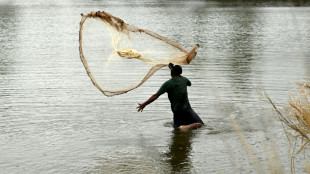 Pacific nations take centre stage at 'pre-COP' climate summit

 Ronaldo can return to Portugal team if he wants: coach Jesus

 Portugal move into Nations League knockout stage, Germany held

 Ronaldo-less Portugal beat Norway to reach Nations League quarters

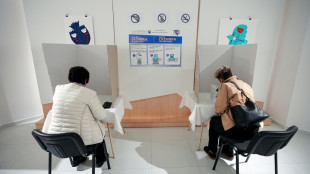 Bosnian Serb strongman claims election win, thanks Trump and Putin

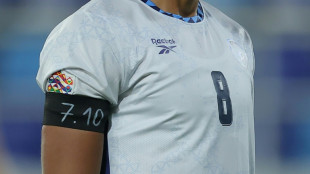 Israel wear black armbands in Ireland tie over Hamas attack

 'I fear it could drag on': anxiety takes hold in Ethiopian city wrested from rebels

 Brazil's Lula and Flavio Bolsonaro face off in knife-edge election

 UK Green party adopts 'Zionism is racism' policy
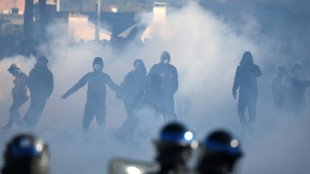
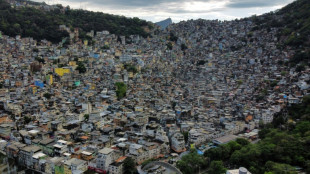 Rio favela residents vote with little hope

 Evenepoel puts worlds 'disappointment' to bed with European crown

Japan began releasing wastewater from the crippled Fukushima nuclear plant into the Pacific Ocean on Thursday despite angry opposition from China and local fishermen.
The start of the discharge of around 540 Olympic swimming pools' worth of water over several decades is a big step in decommissioning the still highly dangerous site 12 years after one of the world's worst nuclear accidents.
Live video provided by plant operator TEPCO showed two engineers clicking on computer mouses and an official saying -- after a countdown -- that the "valves near the seawater transport pumps are opening".
Monitors from the UN atomic watchdog, which has endorsed the plan, were due to be on site for the procedure, while TEPCO workers were scheduled to take water samples later on Thursday.
Japanese officials have repeatedly insisted the wastewater release is safe.
But China's environment ministry on Thursday blasted Japan as "extremely selfish and irresponsible", saying it would "track and study" the impact of the release on its waters.
Ahead of the operation, about 10 people held a protest near the site and around 100 others gathered outside TEPCO headquarters in Tokyo, AFP journalists said.
"It's like dumping an atomic bomb in the ocean. Japan is the first country that was attacked with an atomic bomb in the world, and the prime minister of the country made this decision," said Kenichi Sato, 68.
- Multiple meltdowns -
With around 1,000 steel containers holding the water, TEPCO has said it needs to clear space for the removal of highly dangerous radioactive nuclear fuel and rubble from the wrecked reactors.
Three of the reactors at the Fukushima-Daiichi facility in northeastern Japan went into meltdown following a massive earthquake and tsunami that killed around 18,000 people in 2011.
Since then, TEPCO has collected 1.34 million cubic metres of water that was contaminated as it cooled the wrecked reactors, along with groundwater and rain that has seeped in.
TEPCO will carry out four releases of the treated water from Thursday until March 2024. The first will last about 17 days, though it is expected to take around 30 years for all of the wastewater to be discharged.
Japan says that all radioactive elements have been filtered out except the tritium, levels of which are harmless and lower than what is discharged by operational nuclear power plants -- including in China.
This is backed by most experts.
"When released into the Pacific, the tritium is further diluted into a vast body of water and would quickly get to a radioactivity level which is not discernibly different from normal seawater," said Tom Scott from the University of Bristol.
- Sushi safety -
Not everyone is convinced, with environmental group Greenpeace saying that the filtration process is flawed, and China and Russia suggesting the water be vaporised and released into the atmosphere instead.
China has accused Japan of treating the Pacific like a "sewer", and even before the release, Beijing banned food imports from 10 out of 47 Japanese prefectures and imposed radiation checks.
Hong Kong and Macau, both Chinese territories, followed suit this week.
Restaurants in Beijing and Hong Kong serving sushi and sashimi are already reeling from the restrictions.
"About 80 percent of the seafood products we use come from Japan," Hong Kong caterer Jasy Choi, who runs a small kitchen for takeaway Japanese food, told AFP.
Analysts said that while China may have genuine safety concerns, its strong reaction is also motivated at least in part by its economic rivalry and frosty relations with Japan.
The South Korean government, which is seeking to improve ties with Japan, has not objected, although many ordinary people are worried and have staged protests.
Social media posts in China and South Korea have included false claims about the release, including doctored images of deformed fish with claims they were linked to Fukushima.
People in the Japanese fishing industry oppose the release, worrying that governments and consumers will shun their seafood.
"I am worried about the future," protestor Ruiko Muto, 70, told AFP in Miharu near the power plant.
"We can't pass on the responsibility of what happened during our generation to the generation of our children and to future generations."
burs-stu/smw
Z.Ramadan--SF-PST