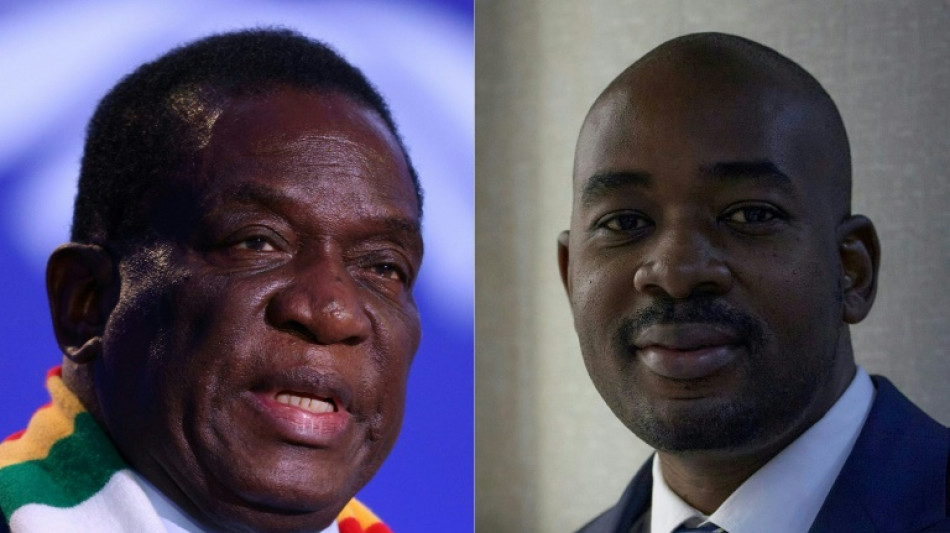
Young Zimbabwean voters dare to hope for change of old guard / Photo: Adrian DENNIS, Jekesai NJIKIZANA - POOL/AFP/File

 Land Rover Defender EV Confirmed for 2027; Mercedes 'Baby G' Spied Testing
 Sixers Weekend Preview: Maxey and Brown Status Uncertain Ahead of Bucks Game
 San Ġiljan Defeat Paredes 20-12 in Challenger Cup Opener

 Gozo Minister Clint Camilleri Appointed CPMR Vice-President for Maritime Affairs
 Meta Quest 3 and 3S Gain Access to Over 150 3D Movies

 ALIX LASERS shareholders remove Michael Sobitsch as managing director in view of the circumstances

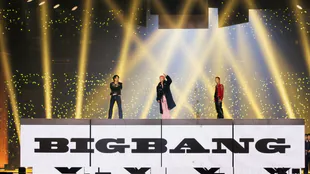 2026 MAMA Awards Lineup Announced: Big Bang, CL, and Park Bo-gum to Headline Osaka Event
Just days before a national election to pick a president and lawmakers, one word is on the lips of most young Zimbabweans: "change".
Yet, questions about who can deliver change and whether it might happen draw elusive or conflicting answers on the bustling and trafficked streets of Harare, the capital.
"There needs to be a change in almost everything, we need change," said Tsitsi Chifura, a 22-year-old human resources student, echoing the concerns of many others at the lack of work opportunities.
"We have nothing to do, we are just sitting (around)," she said as she walked on the streets of the central business district.
About two-thirds of Zimbabweans are under 25, according to the United Nations.
Many will be voting for the first time on August 23, in an election where unemployment, estimated by economists at about 70 percent in the formal sector, is one of the top concerns.
Talk of change often implies support for the opposition, led by Nelson Chamisa, a 45-year-old lawyer and pastor. But almost no one says that out loud.
"I am scared," said Valentine Kamupini a 25-year-old chef, adding he was still hoping for "a good result", speaking a few blocks from a giant portrait of President Emmerson Mnangagwa which towers over the city.
The ruling ZANU-PF party, in power since independence in 1980 has a low tolerance for dissent and has been accused by rights groups of resorting to violence, repression and intimidation to secure a favourable vote.
Yet, analysts say the party's long dominance might play against it at the ballot box.
- 'Young blood' vs 'geriatrics' -
"Most young people are sick and tired...of being ruled by a geriatric lot," said Zimbabwean political analyst Brian Kagoro.
Mnangagwa, who is seeking a second term, is 80 and came to power after a 2017 military-led coup that deposed the late Robert Mugabe, then 93.
"We need young blood that is energetic, fresh minds. The current one is old-fashioned," said Tawanda Gwanzura, 28, also a chef, adding there would be "no change" if the government were to win.
Others believe Mnangagwa, who also promised change for Zimbabwe when he was first elected in 2018, is still the best candidate to deliver on that promise after the polls.
"We are looking for jobs. So I think with president Mnangagwa we will have jobs," said Faustina Nyamhandu, 22, unemployed.
The president, who has been on a ribbon-cutting spree in recent weeks, "is making in-roads" she added.
Both ZANU-PF and Chamisa's Citizens Coalition for Change (CCC) have refreshed their ranks, filing youthful candidates for legislative and municipal elections, to woo young voters.
But some feel that doesn't really matter, as amid widespread fears of rigging, their vote won't count either.
"We all know the outcome," said Mafadzwa Taruvinga, 24, explaining why she will not vote. "I think there will be no change at all".
K.AbuDahab--SF-PST
