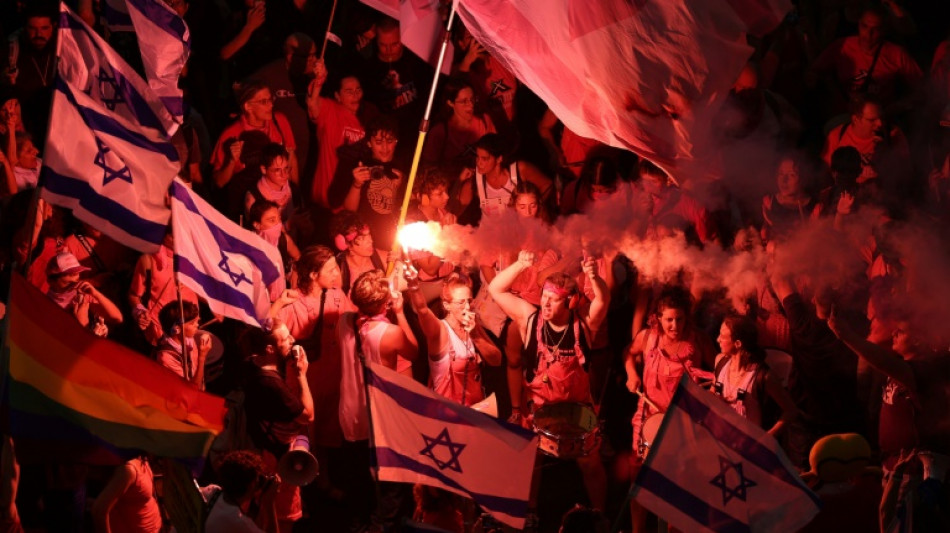
'Democracy, Democracy' chant Israelis protesting legal reforms / Photo: JACK GUEZ - AFP

 ICC unseals arrest warrants for Taliban education ministers
 Modric hopes fans back Croatia against Spain after England shame

 Bolsonaro rides right-wing surge into Brazil's election runoff

 Turkey blocks X account of British reporter
 Ukraine says using AI robot guns to shoot down new Russian drones
 At Oct 7 memorial, Netanyahu says will be no Hamas rule in Gaza
 Ukraine blames Russia for deadly sinking of Turkish ship in Black Sea

 UN rights council slams Taliban's 'oppression' of women
 Norway eyes partial ban of smart glasses
 Two dead after ship catches fire, sinks in Black Sea

 Spain's PM calls snap election after housing bill defeat

 STARCARES Equips Seven Foster Homes for Children and Young People in Tanzania

 Alleged Indian leader of neo-Nazi child abuse ring goes on trial in Paris
 Euro, French stocks slide on France debt concerns
 Alcaraz advances to Japan Open final

 US-German trio win medicine Nobel for work on optogenetics

 Hundreds of French high schools shut as protests persist

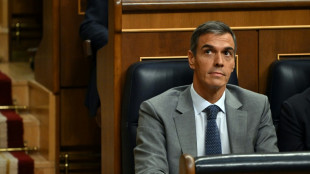 Spain PM calls early election after housing crisis defeat

 Stocks rally as 'Goldilocks' jobs data ease rate fears
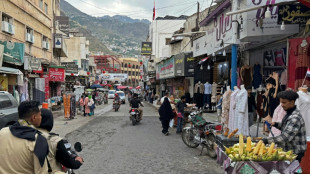
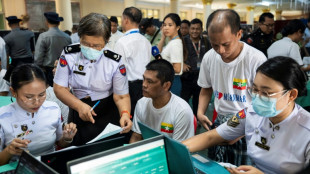 Myanmar says 10,000 migrants returned from Malaysia this year
 Big guns back for Australia's Rugby League World Cup defence

 Braves rock Dodgers to level series, Brewers win thriller

 Most Asia stocks rally as 'Goldilocks' jobs data ease rate fears

 Sunken Silk Road city reveals Central Asia's lost history

 Three years on, Israeli rescuer cannot escape October 7

Thousands of Israelis took to the streets of Tel Aviv on Saturday in the latest protest against the hard-right government's controversial judicial reform plans that opponents see as threat to democracy.
Since the government unveiled the reform package in January, tens of thousands of Israelis have joined weekly demonstrations in what has turned out to be the biggest protest movement in the country's history -- one that has split the nation.
While protests have rocked many cities including Jerusalem, the epicentre has been the commercial hub of Tel Aviv, where protesters have rallied every Saturday against Prime Minister Benjamin Netanyahu's government.
"Democracy, democracy," protesters chanted as they marched on Saturday. "We won't give up until it gets better."
"Despite months of protests, things are not going the way we wanted as one important part of the judiciary overhaul has been passed a few weeks ago," protester Ben Peleg, 47, told AFP.
"But if we continue to apply pressure on the streets, there is a possibility that we can still stop these changes."
Last month, the Israeli parliament voted to limit the so-called "reasonableness" law.
The new legislation curbs judicial review by Israel's top court of some government decisions, and critics fear it could pave the way to more authoritarian government.
Israel's traditional bedrock ally Washington has described parliament's vote as "unfortunate" and repeatedly raised concern about the political turmoil.
Netanyahu's coalition government, which includes far-right and ultra-Orthodox Jewish parties, argues the reforms are necessary to rebalance the relationship between elected officials and the judiciary.
- 'Threat is still there' -
Opponents accuse Netanyahu, who has been fighting corruption charges in court, of a conflict of interest.
It was the "reasonableness" clause that the Supreme Court cited in a recent high-profile ruling that barred a Netanyahu ally, Aryeh Deri, from serving in the cabinet because of his previous tax evasion conviction.
The amendment of the clause is the first major component of the reform package to become law.
Several petitions have been filed at the Supreme Court, with hearings set to be held in September.
Other proposed changes include allowing the government a greater say in the appointment of judges.
Protester Yael Katz-Levy said pressure on the government had to be maintained "or they would do anything" even if parliament is currently in a recess.
"The threat is still there and we want to make sure that we are fighting," she said.
Katz-Levy, 58, said there were about 200 new laws "ready for voting in the Knesset" when it is back in session in October, and most aim to "demolish the Supreme Court and the court system," apart from harming freedom of press and rights of citizens.
Rallies were also held on Saturday in other Israeli cities, including Haifa, Netanya and Herzliya.
The protests have drawn support from across the political spectrum, among secular and religious groups, blue-collar and tech sector workers, peace activists and military reservists.
But months of demonstrations -- including some in support of the government -- have led to fears about widening fissures within Israeli society.
"Israel is being torn apart and we feel we are on the brink of a civil war," Peleg, a doctor, said.
"When we go out on the streets to protest, we are afraid of those who are supporting the government... This government needs to be overthrown."
C.AbuSway--SF-PST