Unease and stoicism on Finland's Russian border

 South African rugby player's death due to 'aortic dissection'
 France's Macron lands in Riyadh on surprise 'solidarity' visit
 Around the world, far right blames immigrants for French protests
 South Africa eases fuel pain as growth slows

 Woody Allen shoots new movie in Madrid
 Nvidia's Huang urges Europe to go all in on AI
 Five things to know as French bond yield tops 5%
 'Complete threat' Ngumoha excites Liverpool captain Van Dijk

 'The fishing's terrible': Deforestation devastates C.Africa river
 France's tourism sector worried about impact of riots
 Macron takes aim at Trump for using France riots for election gain
 North Korea says 'new firepower units' in place, loudspeakers to return

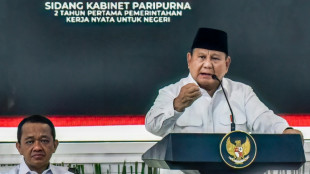 Indonesia leader hits out at market downgrade warning
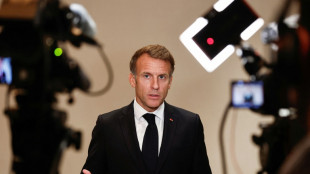 Macron slams 'stupid' comments based on AI videos by leaders on France riots
 'Public health crisis': Indonesians seek fire relief from state
 British Museum sells second set of Bayeux exhibition tickets
 Australian lawmaker loses both legs after 'targeted' attack
 UK approves drilling in controversial Jackdaw gas field
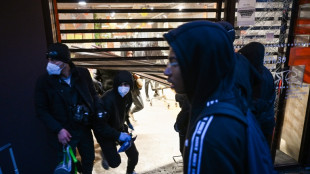 Carrefour shares plunge after profit warning on French protests
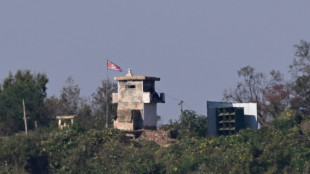 North Korea says 'new firepower units' in place after border threat
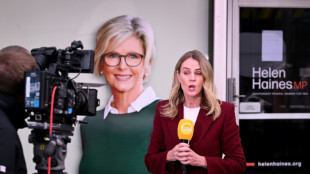 Australia lawmaker loses both legs after 'targeted' attack
 Director Nick Paley channels childhood fears in new thriller 'Phony'
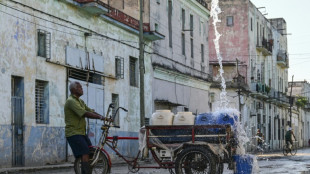 'Daily struggle': Cubans dig wells in search of water
 Prized wild pepper at risk in Madagascar's shrinking forests
 World falling 'dangerously short' on climate action: UN chief
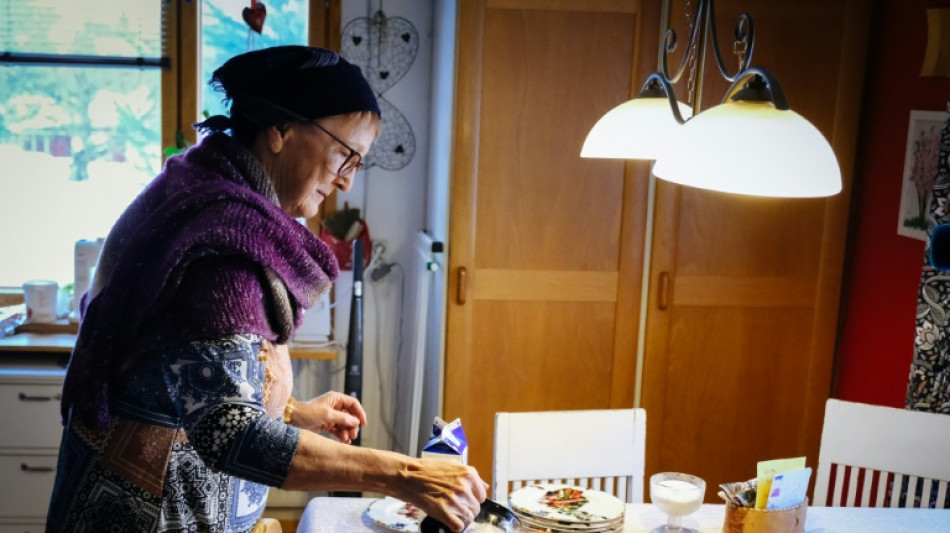
In her wooden, snow-covered house 20 minutes from Russia, Maija Poyhia wears a traditional blue headscarf that her mother carried with her when fleeing the Soviet invasion of Finland during World War II.
In Finland, Russia's assault on Ukraine has stirred up some painful associations with the 1939 Winter War, when Red Army troops attacked the Nordic country across their shared border, which now runs to 1,340 kilometres (830 miles).
As in Ukraine, the smaller Finnish army back then put up strong resistance and inflicted heavy losses on the Soviets.
But Finland ended up ceding a huge stretch of its eastern Karelia province, driving almost half a million Finns -- 12 percent of the entire population -- from their homes.
"My dad's childhood home is still on the Finnish side," Poyhia tells AFP, although her mother's family farm is now in Russia. "But back then, no one really understood how the border went."
A second war against the USSR followed, from 1941 to 1944, this time with Finland in a de facto alliance with Nazi Germany.
In spite of the area's history, Poyhia and her husband, Seppo Laaksovirta, "are not scared at all" of living so close to the Russian border, and the threat of another invasion feels distant.
"I don't know anyone around here who's been saying we need to be on our toes," Laaksovirta says.
Russia's shock invasion of Ukraine on February 24 led to a spike in Finnish support for joining NATO as a defence against possible aggression from the east, with polls showing record levels in favour of membership.
Laaksovirta supports joining the military alliance, a move he believes "would be of more use than harm."
"Nowadays, we've got arms from America and the West here," he adds, "rather than what we had in the 1960s, which was from Russia."
- Strong cross-border ties -
In the 80 years since the Soviet invasion, Finns along the border have re-developed strong cultural and economic ties with their eastern neighbours.
"The younger generations have learned to live, and want to live, in a Western, international society," says Anna Helminen, city council chair in Imatra, a town just five kilometres (three miles) from the border.
A thousand of Imatra's 26,000 residents are Russian citizens, and the town "was founded on Russian purchasing power," Helminen tells AFP.
Imatra's businesses had been desperate for Russian tourists to begin visiting the shops, hotels and spas again as the Covid pandemic waned.
"Now, of course, the same situation will continue," Helminen says.
Plans for a rail link to St Petersburg and many other cross-border projects "all disappeared overnight" after the Russian invasion of Ukraine.
"Daily contact and future projects have been stopped," Helminen says.
"Our leaders and officials have said there's no immediate threat to Finland and we want to believe that and see the future positively," Helminen says.
"But, of course, this situation leaves its mark, including on interactions between people."
- 'Like a rat in a trap' -
Some Russian community groups have recently reported increased anti-Russian sentiment in Finland, but mainly on social media.
Anastasia Petrishina, who has lived and worked close to Imatra for 10 years, says she has not received any negative reactions from Finns since the war started.
Her Finnish friends "understand that Russia as a state is not the same as the Russian people," the pharmaceutical quality control manager tells AFP.
"But I can't be 100 percent sure how it's going to be in the future, especially for people who don't know me personally."
The mother of two says the outbreak of war has made her consider, "What does it mean being a Russian person in Finland, in the EU, and staying outside Russia?"
She has shelved plans to travel to her native St Petersburg, even though her elder daughter, in her 20s, is there.
"I don't want to be like a rat in a trap there," unable to return to Finland, Petrishina says.
Draconian new Russian laws threatening prison for anyone criticising the Kremlin mean Petrishina has only had minimal conversations with her relatives back home about the war in Ukraine.
"I'm not ready to discuss these matters, because I prefer to keep them in safety."
Petrishina says she is "an optimistic person in principle," and believes things will get better.
"But the question is, how much time does it take?"
X.Habash--SF-PST