The lonely envoy: Moscow's man at the UN finds himself on the defensive

 South African rugby player's death due to 'aortic dissection'
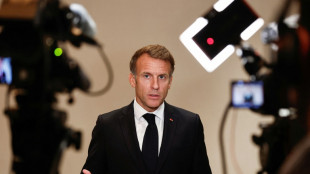 France's Macron lands in Riyadh on surprise 'solidarity' visit
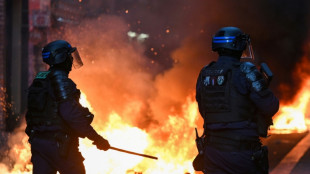 Around the world, far right blames immigrants for French protests
 South Africa eases fuel pain as growth slows
 Woody Allen shoots new movie in Madrid
 Nvidia's Huang urges Europe to go all in on AI
 Five things to know as French bond yield tops 5%
 'Complete threat' Ngumoha excites Liverpool captain Van Dijk

 'The fishing's terrible': Deforestation devastates C.Africa river
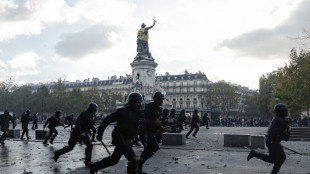 France's tourism sector worried about impact of riots
 Macron takes aim at Trump for using France riots for election gain
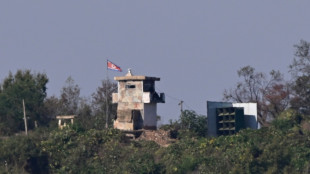 North Korea says 'new firepower units' in place, loudspeakers to return

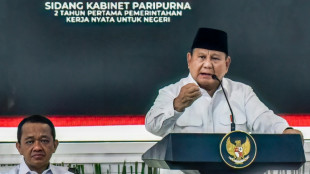 Indonesia leader hits out at market downgrade warning
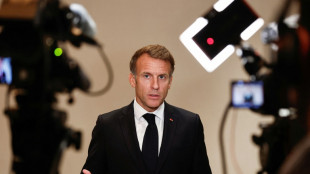 Macron slams 'stupid' comments based on AI videos by leaders on France riots
 'Public health crisis': Indonesians seek fire relief from state
 British Museum sells second set of Bayeux exhibition tickets
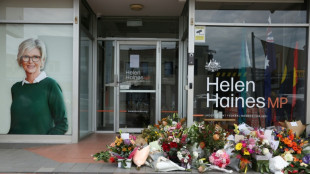 Australian lawmaker loses both legs after 'targeted' attack
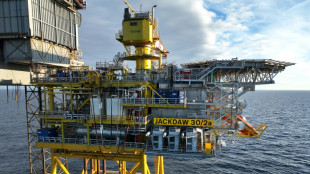 UK approves drilling in controversial Jackdaw gas field
 Carrefour shares plunge after profit warning on French protests
 North Korea says 'new firepower units' in place after border threat
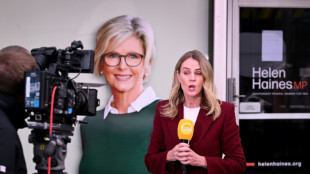 Australia lawmaker loses both legs after 'targeted' attack
 Director Nick Paley channels childhood fears in new thriller 'Phony'
 'Daily struggle': Cubans dig wells in search of water
 Prized wild pepper at risk in Madagascar's shrinking forests
 World falling 'dangerously short' on climate action: UN chief
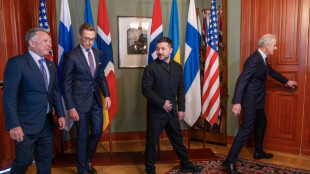
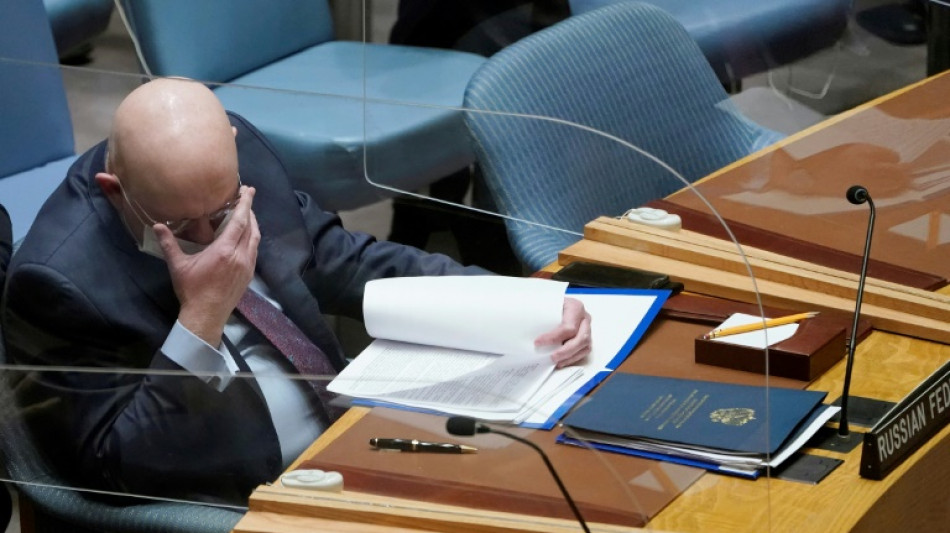
It was the middle of an emergency session of the UN Security Council, late on the evening of February 23, and Vassily Nebenzia looked shaken -- his face pale, his shoulders sagging.
Russia, the country he represents at the United Nations, had just invaded Ukraine, sending shock waves around the world that continue to reverberate today.
At nearly 60, Nebenzia -- a bald man, massively built, who wears thin-framed glasses and often fiddles with his watch -- was chairing the Council.
It was a shocking first for the UN: The man presiding over the august body dedicated to defending global peace was also the representative of a nuclear power now waging war against a democracy...
Did he know, when he opened the session and sat listening as his colleagues delivered impassioned pleas for Moscow to pull back the armed forces surrounding much of Ukraine -- that they had already invaded?
More generally, does he believe the words in the speeches he reads?
"I don't know, but I believe not," one UN official told AFP, speaking on grounds of anonymity.
Several ambassadors said they shared that impression.
The Ukrainian ambassador, Sergiy Kyslytsya, regularly asks Nebenzia if he is actually in touch with Moscow.
British envoy Barbara Woodward, a specialist in Russian and Chinese affairs, reminded Nebenzia that "the great Russian writer Alexander Solzhenitsyn wrote: 'Man is given not only one life, but also one conscience.'"
"I know that you’ve spoken under instructions today, but I ask you to report faithfully back to Moscow what you have heard today –- the urgency of this Council's calls for peace."
Nebenzia did not respond to an AFP request for an interview.
He has, in resigned tones, followed his government's line at emergency meetings of the Council since war broke out, and further sessions are expected this week.
Under the exasperated eyes of his foreign colleagues, he has read speeches denying media reports of the destruction of civilian sites.
In impromptu replies, he has on occasion used the word "war" -- a word banned by Moscow in regard to Ukraine. But each time he has been careful to note that the word was first used by his boss, Foreign Secretary Sergei Lavrov.
"The Russian system has never been as centralized," said one Western ambassador, speaking anonymously.
Russian diplomats "are excellent professionals, but they are not in a position to interact with power, they are simply there to execute government dictates, whether involved in preparing them or not -- and usually not."
- Two things at once -
At the UN, Nebenzia is known for his deep mastery of the issues. His career has taken him to Bangkok and Geneva, with a specialty in international organizations. He is fluent in the arcana of multilateral maneuvering and uses his deep understanding of procedure to his country's benefit.
Outside the sometimes theatrical jousting in the hallowed halls of the Security Council, his relations with colleagues are cordial and polite -- and have remained so since the invasion, according to several sources.
The ambassador is a man of culture with a sense of humor.
"I can do two things at the same time," he told AFP with a smile, after displaying the surprising ability to deliver a speech in Russian while listening to its English translation simultaneously on his headphones.
Russians are trained in this multi-tasking, his aides say. That allows them to ensure that their addresses are rendered as precisely as possible in the language in which most will hear them -- and to correct any errors on the spot, diplomats say.
At diplomatic receptions Nebenzia shows a convivial side. His favorite cocktail? "Half vodka, half Champagne," he once told two French journalists.
Married and father of a son, the ambassador likes to take off on weekends on his European motorbike -- a solitary hobby that goes well with the newly solitary status thrust on him by the Ukraine crisis.
But he is never far from the drama these days.
On February 28, during a news conference marking the end of his month leading Russia's rotating presidency of the Security Council, he abruptly interrupted the proceedings to answer his cell phone.
After listening for a moment without speaking, he hung up and announced -- adopting a tone of victimhood -- that the United States was expelling 12 members of his diplomatic mission.
Sources in Washington have said the 12 are spies -- with no connection to the war.
Diplomats later told AFP the 12 are members of the military.
E.AbuRizq--SF-PST