Putin nuclear threats 'extremely dangerous', 'blackmail': ICAN

 Judge orders Meta to pay $25 bn to New Mexico in Cambridge Analytica case
 Champagne puts cork in project to expand production area

 Canadian publisher says novelist Orelien used AI to write novel
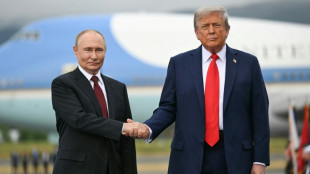 Trump faces fresh questions over ties to 'humanitarian' Putin

 Hansen back in Ireland squad for Nations Championship
 Kremlin sees little 'substance' in Ukraine peace ideas

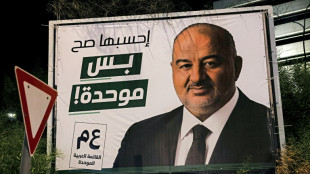 Top Arab-Israeli election candidate tells AFP Netanyahu win would be 'catastrophe'

 South African rugby player's death due to 'aortic dissection'
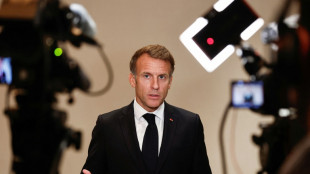 France's Macron lands in Riyadh on surprise 'solidarity' visit
 Around the world, far right blames immigrants for French protests
 South Africa eases fuel pain as growth slows

 Woody Allen shoots new movie in Madrid
 Nvidia's Huang urges Europe to go all in on AI

 Five things to know as French bond yield tops 5%

 'Complete threat' Ngumoha excites Liverpool captain Van Dijk

 'The fishing's terrible': Deforestation devastates C.Africa river

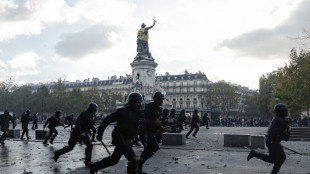 France's tourism sector worried about impact of riots

 Macron takes aim at Trump for using France riots for election gain
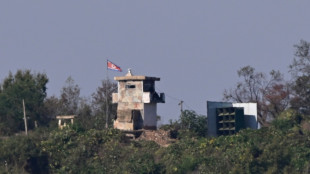 North Korea says 'new firepower units' in place, loudspeakers to return

 Indonesia leader hits out at market downgrade warning
 Macron slams 'stupid' comments based on AI videos by leaders on France riots
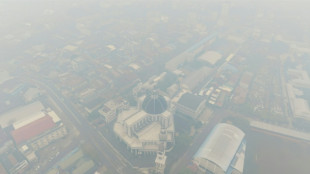 'Public health crisis': Indonesians seek fire relief from state

 British Museum sells second set of Bayeux exhibition tickets
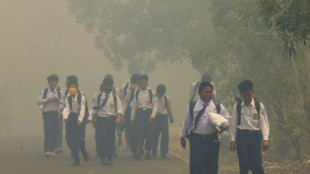
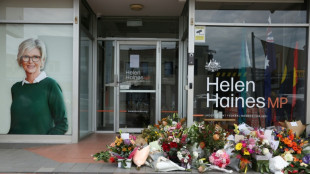 Australian lawmaker loses both legs after 'targeted' attack

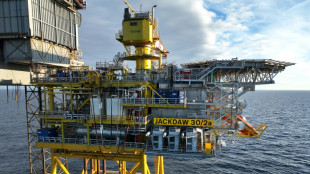 UK approves drilling in controversial Jackdaw gas field
Russian President Vladimir Putin is using nuclear "blackmail" to keep the international community from interfering in his Ukraine invasion, the head of the Nobel prize-winning group ICAN said.
"This is one of the scariest moments really when it comes to nuclear weapons," Beatrice Fihn, who leads the International Campaign to Abolish Nuclear Weapons, told AFP in an interview Tuesday.
The 40-year-old Swede, who has spearheaded the group's global efforts to ban the weapons of mass destruction since 2013, said she had never in her lifetime seen the nuclear threat level so high.
"It is incredibly worrying and overwhelming."
Just days after Russia launched its full-scale invasion of its pro-Western neighbour on February 24, Putin ordered his country's nuclear forces to be put on high alert, sparking global alarm.
Addressing the US Congress on Tuesday, Avril Haines, US Director of National Intelligence, described Putin's move as "extremely unusual".
"We have not seen a public announcement from the Russians regarding a heightened nuclear alert status since the 1960s," she pointed out.
Fihn described the move as "extremely dangerous".
"Not only is this meant to instil fear in the whole world; it's also meant to scare anyone from helping in Ukraine."
- 'Everyone is terrified' -
Countries during the Cold War argued that large nuclear arsenals served as deterrents, helping avoid conflict. Now Moscow was using its arsenal to enable conflict, she said.
"Russia is using it to blackmail almost, to be able to invade Ukraine, and nobody can interfere."
The nuclear threat "is now being used in an extremely malicious and evil way, to... enable an illegal invasion of a country that doesn't have nuclear weapons."
Would Putin actually use nuclear weapons? Fihn stressed she still did not think it was likely.
But "it is not ruled out", she said. "We are starting to worry that it might happen."
But even if there is no plan to actually use such weapons, with tensions soaring "misunderstandings can escalate quickly and we could stumble into nuclear use by accident", she warned.
Fihn said she had received numerous messages from people asking how to speak to their children about the threat.
"Everyone is terrified right now," she said, acknowledging that the situation was getting to her too.
"I spent the last decade talking about what happens when a nuclear weapon is used, what happens to bodies, what happens to cities," she said.
"I am finding it very difficult to talk about it now."
- 'Wake-up call' -
But Fihn hopes the current crisis will serve as a wake-up call that will push countries towards nuclear disarmament.
"If we survive this, we're not going to be so lucky all the time," she said.
"We cannot let countries do this to other countries anymore, (just) because they have nuclear weapons."
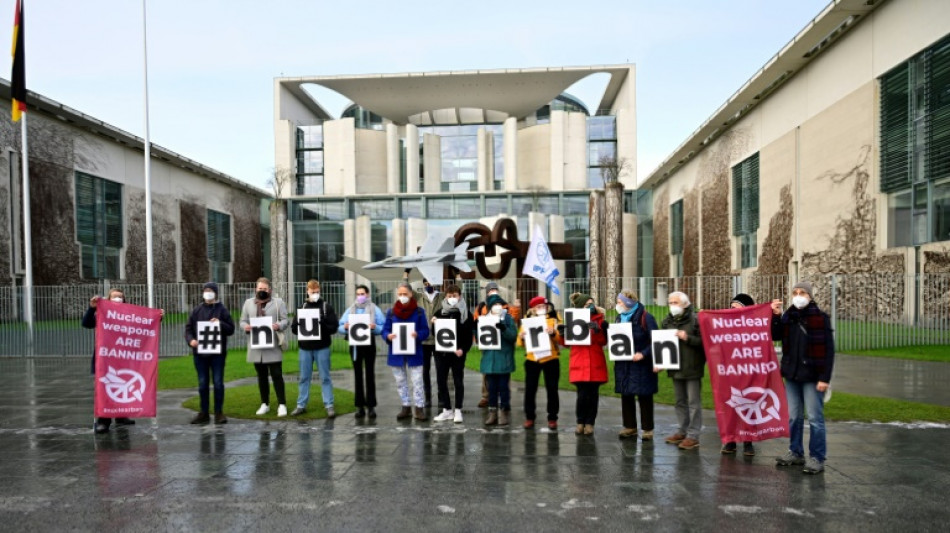
ICAN won the 2017 Nobel Peace Price for its key role in drafting the Treaty on the Prohibition of Nuclear Weapons, which took effect a year ago.
Fifty-nine countries have ratified the treaty, and more have signed it.
Fihn pointed out that the treaty bans the kinds of nuclear threats being made by Russia, which is not a party to it. Nor are any of the states known to possess nuclear weapons.
But the current crisis has sparked growing interest in the treaty, she said.
"I feel like there's an opening now that we can really start working towards nuclear disarmament."
Once the conflict ends, she aid, Russia should not be permitted to maintain its current nuclear arsenal.
"They're going to have to do something... in order to be able to be let back into the international community again, and nuclear disarmament should be that."
U.AlSharif--SF-PST