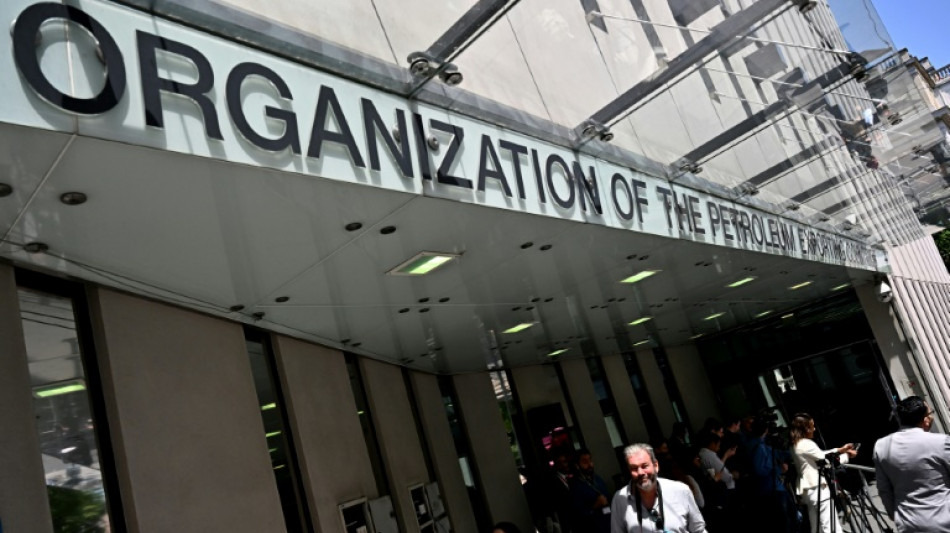
Tough talks as OPEC+ weighs fresh output cuts to boost oil price / Photo: JOE KLAMAR - AFP

 West must embrace 'national power' or face decline: Rubio
 Shell refining margins reach record highs as wars hit supply
 Former Spain, Barca winger Pedro retires from football
 Arteta signs new Arsenal deal until 2030

 Stocks decline as oil climbs on Mideast flareup

 Gauff says online abuse was 'draining' after China Open exit

 As sector struggles, Porsche puts luxury ahead of volume
 'It's personal': Fiji minister pushes better climate finance at pre-COP
 Russia glosses over dark Soviet past in reinvented museum

 UK tax body opened probe into Man City in 2018: FT

 Yemen's Houthis claim new attacks on Saudi airports as conflict deepens
 Germany factory production at highest level for 18 months
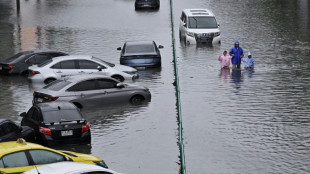 Thailand floods death toll rises to 60 since mid-September

 US pushes Russia for information on plague reports

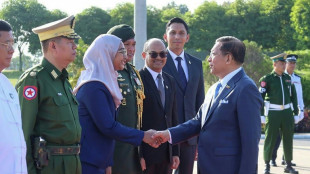 Myanmar leader lands in Malaysia for migrant return talks

 Indian central bank hikes rates for first time since 2023
 US military on Okinawa face curfew, alcohol ban after murder case
 Fierce lobbying in EU over 'forever chemicals'

 Dodgers beat Braves and Padres avoid sweep in MLB playoffs
 Mourning, war and elections as Israel marks October 7

 Messi says Argentina retirement is 'saddest day of my career'
 Oil rises and stocks fall as Hormuz worries flare

 Pacific presses world for help 'surviving' climate change at pre-COP summit
 Verstappen revival to be put to the test in steamy Singapore
 US woman who survived botched execution is conscious, speaking: lawyers

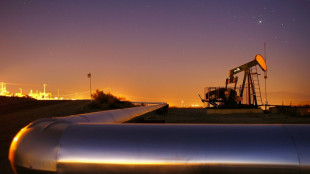
Tough negotiations between major oil producers led by Riyadh and Moscow were under way on Sunday to consider slashing output further in a bid to prop up prices.
The 13-member Organization of the Petroleum Exporting Countries (OPEC) headed by Saudi Arabia was consulting with 10 other oil majors, including Russia, to review the grouping's future output policy.
The in-person OPEC+ meeting -- which started three hours later than originally scheduled -- was dragging on through Sunday afternoon at the group's headquarters in Vienna, a source close to the talks told AFP.
Analysts had largely expected OPEC+ producers to maintain their current policy, but signs emerged this weekend that the 23 countries may make deeper cuts.
An output cut of one million barrels per day (bpd) was being discussed, according to the source close to the talks.
In April, several OPEC+ members agreed to cut production voluntarily by more than one million bpd -- a surprise move that briefly buttressed prices but failed to bring about lasting recovery.
Bloomberg news agency reported a fight with the grouping's African members threatened to derail the gathering.
While the United Arab Emirates was pushing for a change to the way its output cuts are measured, African countries were reluctant to give up some of their unused quotas -- a politically unpalatable option, it said, citing delegates.
Several OPEC+ nations -- including Angola and Nigeria, already seeming to be at maximum capacity -- have struggled to meet their quotas.
Oil producers are grappling with falling prices and high market volatility amid the Russian invasion of Ukraine, which has upended economies worldwide.
- Fight over quotas -
Most delegations remained tight-lipped as they arrived at the headquarters on Sunday.
Analysts are divided over whether heavyweights Riyadh and Moscow will keep the group on course with its current output policy, or further curtail production.
Oil prices have plummeted about 10 percent since the April cuts were announced, with Brent crude falling close to $70 a barrel, a level it has not traded below since December 2021.
Traders worry that demand will slump, with concerns about the health of the global economy as the United States battles inflation and higher interest rates while China's post-Covid rebound stutters.
On arriving in Vienna on Saturday, Emirati energy minister Suhail Mohamed Al Mazrouei said he expected the outcome of Sunday's meeting to "balance the market and ensure we are ready for any challenges in the future".
- 'United front' -
It remains to be seen whether Riyadh will manage to convince Moscow further to curtail output, as Russia is dependent on oil revenues with its war in Ukraine dragging on and Western sanctions hitting its economy.
Russia's Deputy Prime Minister Alexander Novak "sees no need for OPEC+ to change course" because it would hardly benefit from higher prices, Commerzbank commodity analysts said in a research note.
Since Western sanctions hit Moscow over Ukraine, Russia has been shipping oil to India and China as the Asian giants soak up the cheap crude.
Novak did not comment as he entered the OPEC building on Sunday.
Saudi Arabia, on the other hand, "does need higher prices to balance its budget", Commerzbank analysts said, adding that the kingdom's break-even price is currently "at a good 80 dollars per barrel".
Despite the tensions, both of the top OPEC+ producers "will no doubt be keen to keep the cartel together, as it has more power thanks to the united front it is showing", they said.
In March 2020 the alliance was pushed to the brink of collapse when Moscow refused to cut oil production even as the Covid pandemic sent prices into freefall.
After negotiations broke down, Riyadh flooded the market by boosting exports to record levels before the two countries came to an agreement.
"Saudi Arabia doesn't want that scenario to come back -- neither does Russia," analyst Yousef Alshammari of CMarkits said.
M.AbuKhalil--SF-PST