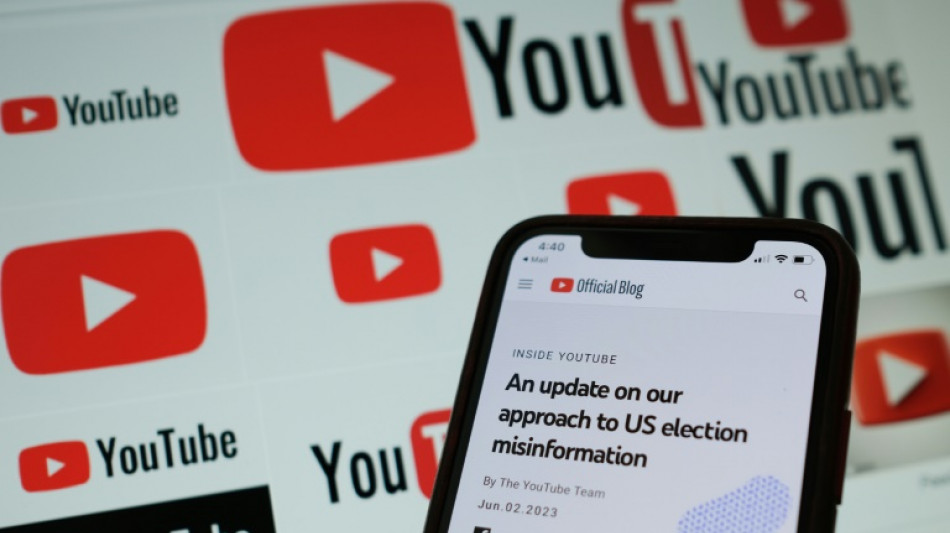
YouTube scraps 2020 US election misinformation policy / Photo: Chris DELMAS - AFP

 Couple's Stadium Argument Goes Viral During Wake Forest Game
 US Ambassador Waltz Warns Russia Faces Unsustainable Losses in Ukraine
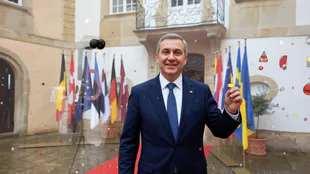
 إيران تحذر من استمرار التصعيد في الخليج بعد إصابة ناقلتي نفط وإسقاط طائرة مسيرة أمريكية

 2026 Nissan Sentra Review: Styling Updates and Tech Overhaul for Canada's Last Sedan

 Land Reform Requires Agricultural Education to Succeed, Experts Warn
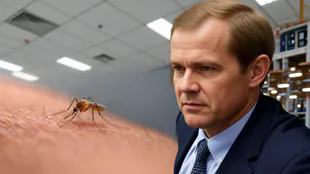 دراسة برازيلية: البعوض الحامل لـ"وولباكيا" يقلل إصابات حمى الضنك بنسبة 69%
YouTube will stop removing content that falsely claims the 2020 US presidential election was plagued by "fraud, errors or glitches," the platform said Friday, a decision quickly criticized by anti-misinformation advocates.
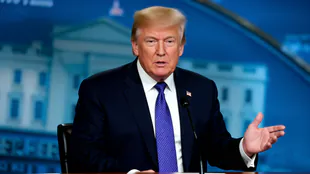
The announcement by the Google-owned video website is a marked departure from its policy initiated in December 2020, which attempted to curb false claims -- most importantly pushed by then-president Donald Trump -- that his re-election loss to Joe Biden was due to the vote being "stolen."
"The ability to openly debate political ideas, even those that are controversial or based on disproven assumptions, is core to a functioning democratic society -- especially in the midst of election season," YouTube said in a blog post.
"We will stop removing content that advances false claims that widespread fraud, errors, or glitches occurred in the 2020 and other past US presidential elections."
YouTube's updated policy, which goes into effect immediately, comes as tech platforms grapple with a key issue in America's hyperpolarized political environment: How to combat misinformation without curtailing free speech?
YouTube appeared to acknowledge that policing misinformation comes with downsides.
"Two years, tens of thousands of video removals, and one election cycle later, we recognized it was time to reevaluate the effects of this policy in today's changed landscape," the video-sharing giant said.
"In the current environment, we find that while removing this content does curb some misinformation, it could also have the unintended effect of curtailing political speech without meaningfully reducing the risk of violence or other real-world harm."
But that response prompted sharp criticism from US advocacy groups.
"YouTube is dead wrong in its assertion that removing false election content curtails political speech without meaningfully reducing real-world harms," said Nora Benavidez, from the nonpartisan group Free Press.
"Its dangerous decision to immediately stop removing content... which continues to sow hate and disinformation that threatens our democracy must be reversed immediately."
Youtube insisted that its other existing rules against election misinformation remain unchanged, including its prohibition of content that deceives voters or incites people to interfere with democratic processes.
"YouTube was one of the last major social media platforms to keep in place a policy attempting to curb 2020 election misinformation," said Julie Millican, vice president of the left-leaning watchdog Media Matters.
"Now, it's decided to take the easy way out by giving people like Donald Trump and his enablers free rein to continue to lie without consequence about the 2020 elections."
B.Mahmoud--SF-PST